








Berkshire Hathaway significantly augmented its investment portfolio during the second quarter, making its most substantial addition to its stake in Alphabet. A colossal $17 billion was channeled into the tech giant’s shares, with approximately 60% of this figure, or 48.1 million shares, acquired directly from Alphabet through a $10 billion private placement sale announced in early June. This implies that Berkshire also purchased roughly $7 billion worth of Alphabet shares through open market transactions. This move underscores a continued interest in the technology sector, even as overall investment strategies evolve. For more information on Alphabet and related news, you can visit the Google news category.
Beyond Alphabet, Berkshire Hathaway demonstrated renewed confidence in the airline industry by increasing its position in Delta Air Lines by 44%, representing an approximate $1.6 billion investment. This brings their total holding to 57.3 million shares, valued at $5.1 billion. This marks a notable return for Delta to Berkshire’s portfolio, following Warren Buffett’s decision to divest from Delta and three other airline stocks in the first quarter of 2020. That earlier sale, executed at a loss, was prompted by the drastic downturn in air travel at the onset of the COVID-19 pandemic. Buffett’s history with airline investments has been a mixed bag, famously leading him to quippily suggest in his 2007 letter to shareholders that a “farsighted capitalist” at Kitty Hawk might have done his successors a favor by shooting Orville down, highlighting the sector’s historical volatility.
Other notable additions to Berkshire’s portfolio during the quarter include a 142% increase in its Macy’s holdings, though the relatively small initial size of this investment meant the increase translated to only about $100 million. Additionally, coinciding with its $6.8 billion acquisition of Taylor Morrison Home, Berkshire also boosted its stake in homebuilder Lennar by approximately $280 million.
Conversely, Berkshire Hathaway continued its trend of reducing its financial sector holdings. The second quarter saw a 7% reduction in its Ally Financial stake and a significant 58% cut in its Capital One holding. While a more modest 5.9% reduction was made to its Bank of America stake, the sheer size of this holding meant it translated to a substantial $1.7 billion decrease in value, making it the largest dollar-value divestment of the quarter. This reduction in Bank of America shares marks the eighth consecutive quarter of selling for Berkshire, bringing their total reduction in the holding to 53%.
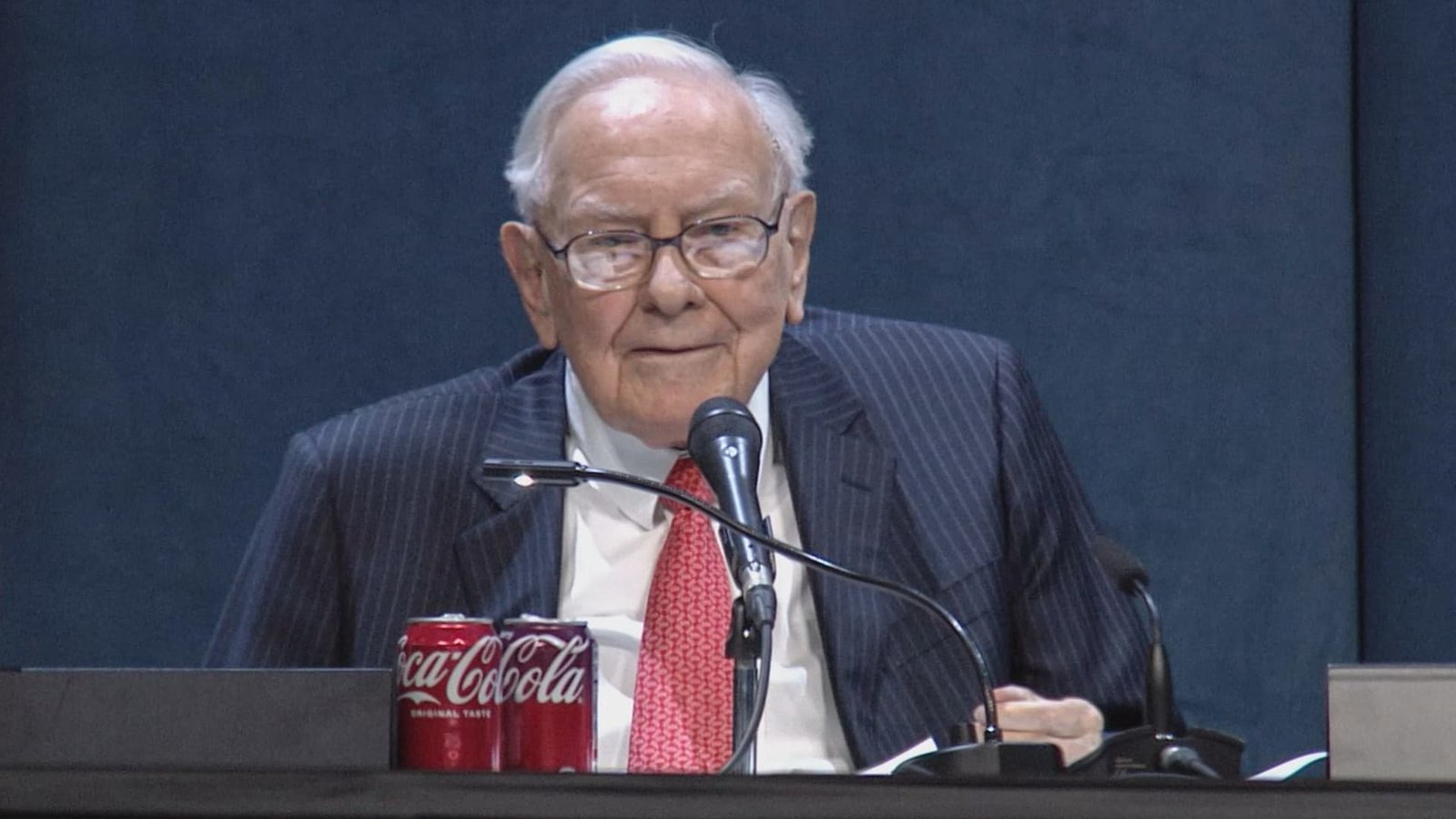
Meanwhile, renowned investor Michael Burry, famously known for his “Big Short” bet against the housing market before the 2008 crisis, expressed significant concerns regarding Berkshire Hathaway CEO Greg Abel’s recent strategy for deploying the company’s considerable cash reserves. In a Substack post, Burry articulated his fear that Warren Buffett’s successor might lack the legendary investor’s “patience for the fat pitch,” a metaphor Buffett used to describe waiting for truly exceptional investment opportunities. Burry now believes this fear has materialized, leading him to conclude that Berkshire is no longer an attractive investment. While acknowledging that a substantial $360 billion cash pile remains, Burry views Abel’s initial moves as more “framing moves than investment moves.” He clarified that he is not advocating for shorting Berkshire, but rather expressing his skepticism about its future investment prospects under current leadership. Buffett himself often emphasized the importance of patience, likening it to baseball legend Ted Williams waiting for the perfect pitch, a discipline he and Charlie Munger highlighted in a 2003 discussion about their investment philosophy.
This apprehension among some investors appears to be reflected in the market, as both Class A and Class B Berkshire shares experienced declines of over 3% this week, despite the company’s resumption of significant share buybacks, which were the first substantial repurchases in two years. As of June 30, Berkshire’s cash reserves stood at $365.5 billion, an 8.0% decrease from March 31. Excluding rail cash and subtracting T-Bills Payable, this figure was $359.2 billion, down 3.8% from the previous quarter. The company repurchased $4.5 billion of its shares in Q2 2026. As of August 14, 2026, Berkshire’s market capitalization was $1,078,750,128,699, with BRK.A stock priced at $755,570.01 and BRK.B at $504.03, and a trailing twelve-month P/E ratio for BRK.B of 12.67.