







Global oil prices registered minimal movement during early trading on Monday, even as mounting anxieties over crude supplies intensified due to a dramatic reduction in vessel traffic through the critical Strait of Hormuz. This precarious situation was further exacerbated by the conspicuous absence of any substantial progress in the ongoing diplomatic efforts to de-escalate the persistent conflict between the United States and Iran.
As of 7:20 am, Brent crude, the international benchmark, saw a modest increase of 0.42%, reaching $88.89 per barrel. Concurrently, West Texas Intermediate (WTI) crude, the US benchmark, also experienced a slight uptick of 0.21%, trading at $82.57. These relatively stable prices arrived after both benchmarks had witnessed a significant surge of over 5% just last week. That prior escalation was a direct consequence of a series of attacks targeting tankers operated by the Abu Dhabi National Oil Company (ADNOC) within the Strait of Hormuz, alongside a separate, yet equally unsettling, assault on a Saudi Aramco refinery.
The geopolitical landscape in the Middle East remains fraught with tension, as Iran and the United States continue to be at an impasse regarding negotiations aimed at resolving their protracted conflict. Iranian foreign minister Abbas Araqchi recently stated that Tehran has yet to make a definitive decision on whether to resume talks with Washington. In stark contrast, US President Donald Trump, addressing his domestic audience, advised Americans to brace themselves for potentially higher gasoline prices for the foreseeable future, implicitly linking these price increases to the ongoing regional hostilities.
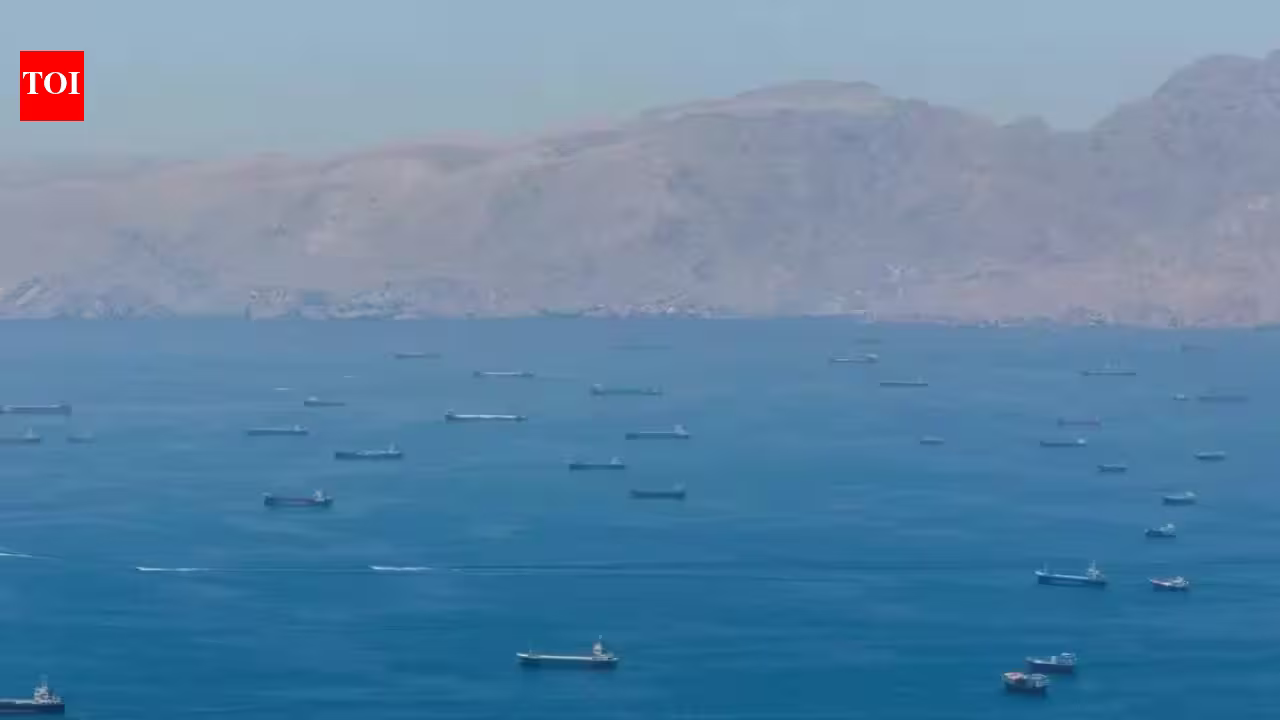
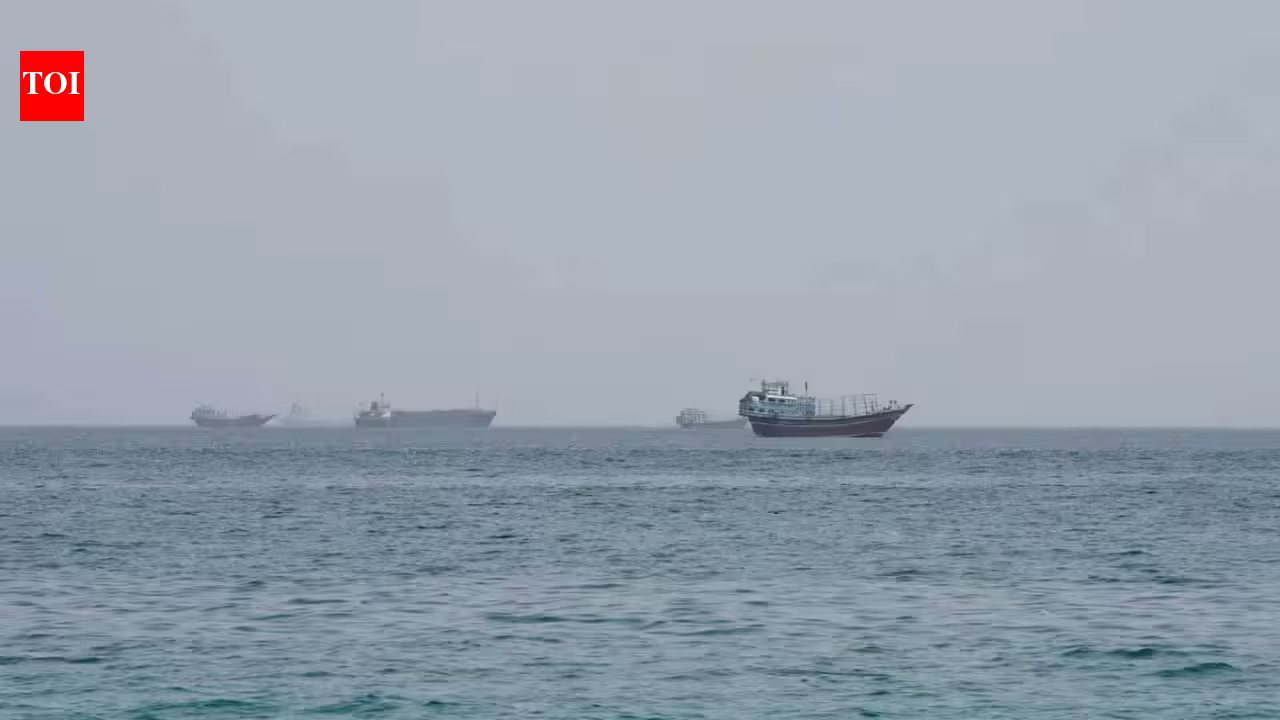
Adding to the escalating concerns, shipping activity through the strategically vital Strait of Hormuz effectively ground to a near halt over the weekend. Data meticulously compiled by Kpler, a leading commodity intelligence firm, revealed a stark decline in traffic. On Saturday, only five commodity vessels were recorded traversing the strait, a figure that plummeted to zero on Sunday. This stood in sharp contrast to the 31 crossings observed during the preceding weekend, underscoring the severity of the disruption.
Among the few vessels documented entering the waterway on Saturday was a Very Large Crude Carrier (VLCC) that was operating without cargo and had its Automatic Identification System (AIS) transponder switched off. Additionally, an Indian-flagged Very Large Gas Carrier (VLGC) was observed utilizing the Iranian route, while a small tanker carrying Iranian fuel oil was tracked exiting the strait, according to reports from Reuters.
This dramatic slowdown in maritime traffic directly followed a series of attacks on three ADNOC-operated vessels in the waterway last week. The United Arab Emirates (UAE) confirmed that a third ADNOC vessel was targeted while transiting the strait on Friday, as reported by the Emirati state news agency WAM. Earlier in the week, the UAE had already attributed two other incidents involving ADNOC vessels on Thursday evening to Iran.
While it is plausible that some vessels operating with their transponders deactivated might have eluded tracking data, the recorded traffic represented merely a fraction of the more than 130 vessels that typically navigated the Strait of Hormuz each day prior to the war initiated by the US and Israel against Iran in February. The United States has asserted its capability to maintain an indefinite naval blockade of Iran. However, Araqchi reiterated on Saturday that Washington would first need to satisfy Iran’s specific conditions concerning the strait before any resumption of regular shipping could occur. Before the commencement of hostilities, this crucial waterway was responsible for transporting a fifth of the world’s crude oil and liquefied natural gas shipments.
Further compounding the regional shipping challenges, traffic also saw a reduction at the Bab el-Mandeb strait, a crucial choke point where Yemeni Houthi rebels declared a naval blockade on Saudi Arabia on July 20th. Kpler’s data indicated 49 commodity vessel transits over the weekend, a decrease from the 55 recorded during the previous week, with no Saudi oil shipments being tracked during this period.