






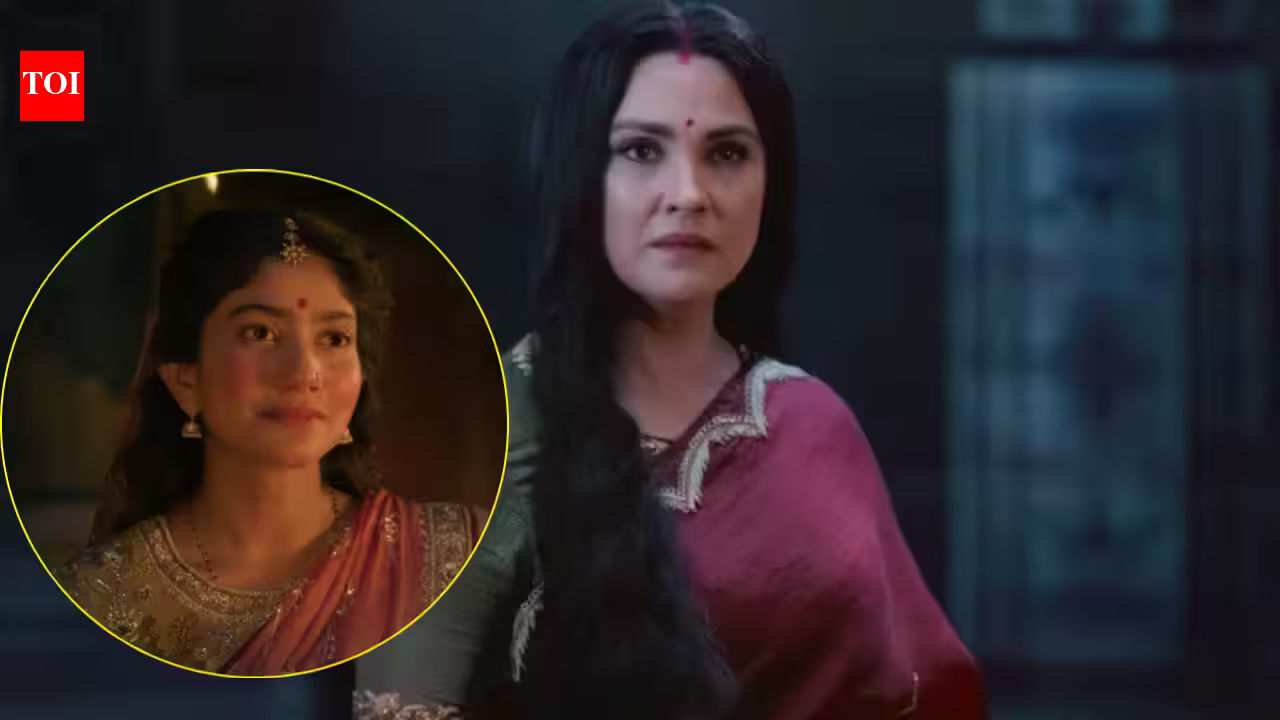
The upcoming cinematic adaptation of “Ramayana” has been a focal point of discussion since its initial unveiling, captivating audiences while simultaneously igniting debate, particularly concerning the sartorial choices for its pivotal figures. The depictions of costumes for Sita, portrayed by Sai Pallavi, and Kaikeyi, played by Lara Dutta, have especially drawn scrutiny online. Many social media users have drawn unflattering comparisons, suggesting the outfits resemble those typically seen in television serials rather than a grand epic. In response to this wave of criticism, the esteemed costume designers, Rimple and Harpreet Narula, have now offered insights into the meticulous creative process behind the film’s wardrobe.
Harpreet Narula elaborated on the design philosophy in an interview with NDTV, explaining that a global audience was consistently at the forefront of their considerations. The primary objective was to ensure that the characters were immediately recognizable as integral components of an Indian epic narrative. He disclosed that the journey to the final aesthetic involved numerous iterations and revisions. “It wasn’t designed in isolation; it was done cohesively with the director on board, and then we came to a conclusion about the look of Sita,” he stated, emphasizing the collaborative nature of the artistic endeavor. This meticulous approach underscores the creators’ commitment to crafting a visual language that resonates broadly while remaining true to the spirit of the epic.
Addressing the specific controversy surrounding Lara Dutta’s Kaikeyi costume, particularly the pairing of a green blouse with a deep maroon saree, Rimple Narula provided a symbolic interpretation. She highlighted that the choice was not arbitrary but laden with meaning, especially in the context of Kaikeyi’s complex emotional state during the pivotal scene where she orchestrates Lord Ram’s banishment. “What people don’t understand is that, the scene where she is banishing Lord Ram, there is a perplexity in the whole situation. There is a complexity as a mother,” Rimple explained, revealing the depth of thought invested in conveying character through clothing. She further elucidated that the vibrant green blouse was intended to symbolize Mother Earth, while the profound maroon hue of the saree reflected Kaikeyi’s internal turmoil and the gravity of her actions at that critical juncture. It was also noted that the dyes used for these costumes were derived from natural vegetable sources, adding an element of authenticity and traditional craftsmanship to the designs.
Harpreet Narula articulated a significant guiding principle behind their aesthetic choices: a deliberate decision to prioritize “faith over authenticity.” He explained that their inspiration stemmed from the enduring visual representations of Lord Ram and Sita that have permeated Indian culture over centuries – from calendar art and intricate temple carvings to pre-modern artistic renditions. These diverse and beloved interpretations served as their muse, allowing them to tap into a collective spiritual understanding of these revered figures. Narula also pointed out the significant regional variations in Ramayana iconography, particularly between North and South India. Recognizing this rich tapestry of visual traditions, the designers aimed to craft a more universal silhouette for Sita’s character, aspiring to create an image that transcends regional specificities and resonates with a broader audience’s inherent understanding of the divine protagonist.
Under the direction of Nitesh Tiwari, renowned for his work on “Dangal” and “Chhichhore,” “Ramayana: Part 1” is slated for a Diwali 2026 theatrical release. Following this highly anticipated debut, “Ramayana: Part 2” is expected to arrive during Diwali 2027, promising a two-part epic cinematic experience.