







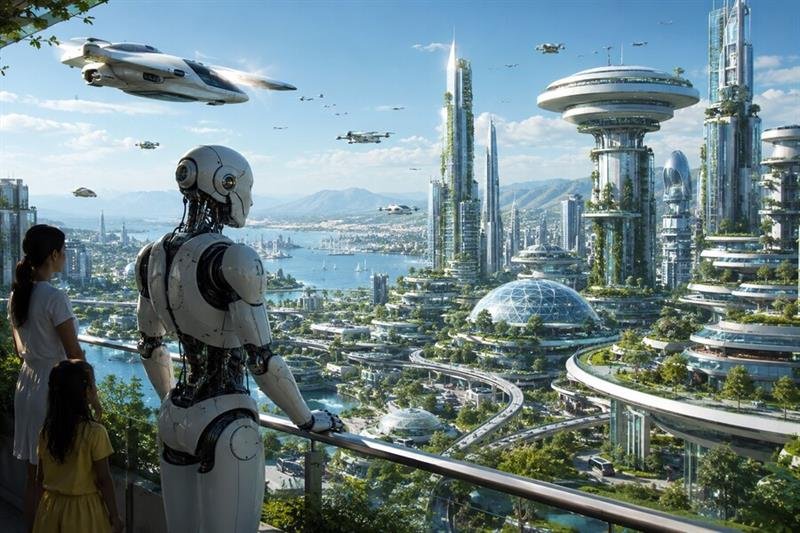
The rapid advancement of artificial intelligence (AI) and automation is poised to fundamentally redefine the very essence of human existence, moving beyond the mere fulfillment of material needs to a profound re-evaluation of societal structures. Imagine a future where sophisticated machines are so efficient and prolific that they can generate an abundance exceeding human consumption, effectively decoupling survival from the necessity of labor. This scenario, while seemingly utopian, presents a complex array of challenges and opportunities that demand immediate and thoughtful consideration.
One of the most significant implications of this paradigm shift is the potential obsolescence of traditional employment as we know it. If machines can reliably perform tasks currently requiring human effort, what becomes of the vast workforce? This isn’t merely about job displacement in specific sectors; it’s about a wholesale transformation of our economic models. Societies will be compelled to grapple with radical new ways of distributing resources and ensuring an equitable standard of living for all citizens. Concepts like universal basic income, already a topic of considerable debate, could become not just viable but imperative in a world where work is no longer the primary determinant of individual worth or access to essential goods and services.
Beyond economics, this future compels a deep introspection into the very purpose of human life. For centuries, our identities have been intricately linked to our professions and contributions to the workforce. If this foundation is removed, humanity will need to find new avenues for meaning, creativity, and self-actualization. This could unlock unprecedented opportunities for artistic expression, scientific exploration, philosophical inquiry, and community building. However, it also carries the risk of widespread societal ennui and a sense of aimlessness if not carefully navigated.
The existing social contract, built on the premise of work for reward, will inevitably undergo immense strain. Questions of wealth distribution, particularly in a world of abundant automated production, will become paramount. How do we prevent an even greater concentration of wealth in the hands of those who own and control the means of automated production? Addressing inequality will require innovative policy solutions and a global commitment to fostering inclusive and sustainable societies. The ethical dimensions of AI development, control, and access will also rise to the forefront, demanding careful regulation and international cooperation to prevent unintended consequences and ensure that this technological revolution benefits all of humanity.
This transformative era will necessitate a fundamental reimagining of our values, priorities, and societal frameworks. It’s a future that promises liberation from drudgery but also demands a proactive and collective effort to redefine what it means to be human in an age of unprecedented technological capability. The choices we make today regarding AI development, economic policy, and social welfare will determine whether this future leads to a more prosperous and fulfilling existence for all, or to new forms of division and societal upheaval. The stakes are incredibly high, and the time for critical discussion and innovative solutions is now. This profound shift will touch every aspect of life style, from education to leisure.