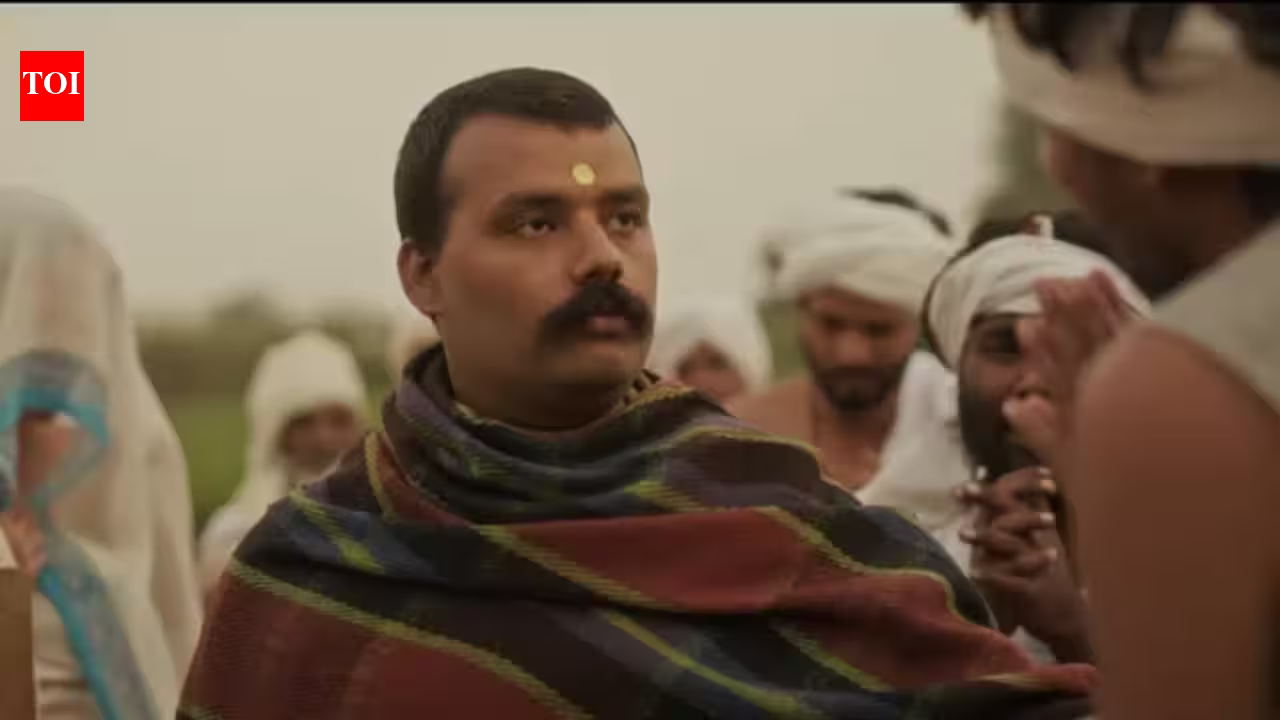





The phenomenon of the “Maharaj-ji” wave is officially upon us. As audiences across India continue to flock to theaters for the surprise cinematic juggernaut Hanuman Ansh, the spiritual resonance of the legendary saint Neem Karoli Baba has spilled over from the big screen to the television landscape. In a strategic move that confirms our current cultural obsession with mysticism and devotion, Sony Entertainment Television and SonyLIV have officially announced a new, high-stakes mytho-fiction series centered on the life and teachings of the revered saint.
While the details remain shrouded in the kind of intentional mystery that would make the Baba himself smile, the announcement marks a significant pivot in how Indian networks are approaching spiritual content. Rather than a standard biographical drama, the upcoming series promises to be an immersive exploration of the supernatural and anecdotal history that has defined Maharaj-ji’s legacy for generations.
The Spiritual Pivot: From Box Office to Prime Time
It is rare for an independent project to capture the zeitgeist the way Hanuman Ansh has. Directed by Dr. Vishal Chaturvedi, the film—produced on a modest budget of approximately Rs 1.8 crore—has achieved a level of financial success that borders on the miraculous. Surpassing the Rs 400 crore mark worldwide by its 54th day, the film has become a case study in the power of faith-based cinema in India.
The industry is watching closely. The success of Hanuman Ansh has essentially validated a market that, until recently, many studio heads dismissed as “niche.” By announcing a companion television project, Sony is betting that the audience’s hunger for these stories is not a passing trend but a deep-seated demand for content that bridges the gap between modern life and ancient spiritual wisdom. The challenge for the new series, however, will be sustaining that fervor across a long-form format that goes beyond the singular, high-octane narrative arc of a feature film.
Decoding the Mystical Promo
The first promotional glimpse of the upcoming series—dropped silently by the network this week—is a masterclass in atmospheric marketing. Eschewing flashy CGI or standard dramatic dialogue, the promo leans heavily into symbolism. We see lingering shots of a saffron shawl, the familiar iconography of Lord Hanuman, and the quiet, almost austere landscapes of the Himalayas.
By choosing not to show the lead actor or a specific plot point, the makers have employed a “less is more” tactic. It effectively forces the viewer to focus on the presence of the saint rather than the performance of a star. In an era where casting announcements are usually accompanied by a flurry of social media fanfare and high-fashion photo shoots, this deliberate silence suggests that the production team is aiming for a tone of reverence. They aren’t just selling a show; they are crafting an experience.
The Weight of Expectation
Neem Karoli Baba, affectionately known as Maharaj-ji, occupies a unique place in the global spiritual consciousness. From his ashrams in Kainchi and Vrindavan to his historical influence on Silicon Valley visionaries like Steve Jobs and Mark Zuckerberg, the breadth of his story is immense.
The producers face a daunting task: how to translate a life defined by “divine detours” and subtle miracles into a television format. Hanuman Ansh succeeded by centering itself on Dr. Chaturvedi’s own transformation, a deeply personal perspective that resonated with thousands of theatergoers. The upcoming Sony series will likely need to adopt a similar narrative strategy. If it attempts to simply document his life as a historical timeline, it risks falling into the trap of a dry, pedagogical exercise. If, however, it focuses on the anecdotal, human-centric miracles that define the Baba’s folklore, it could become the defining spiritual drama of the decade.
The Financial Footprint of Faith
Let’s talk numbers, because they tell the story better than any press release. Hanuman Ansh crossing Rs 400 crore globally while being produced on a shoestring budget of under Rs 2 crore is, frankly, unprecedented. It proves that the “Maharaj-ji” brand has a viral quality that transcends traditional marketing.
When the Sony project eventually lands, it will be competing in a marketplace that has seen a sudden influx of spiritual and mythological content. However, the existing goodwill generated by the theatrical success of Hanuman Ansh provides a massive head start. Audiences are currently primed; the “spiritual fatigue” that often accompanies religious television is currently being held at bay by a genuine, grassroots curiosity. The networks now have the unique opportunity to lean into this momentum—provided they don’t lose the soul of the story to the demands of commercial television pacing.
What Lies Ahead: A Waiting Game
As it stands, the industry is left with more questions than answers. Who will step into the shoes of the saint? Will Shobhinaw Satyaa, who portrayed the figure so effectively in the film, be considered for the series, or will the network look for a fresh face to avoid comparisons? And perhaps most importantly: when will the premiere date be set?
Given that both the film and the upcoming series draw from the same well of devotion, there is a palpable sense of anticipation. For the millions of followers worldwide, this isn’t just entertainment—it’s a reflection of their personal journey and belief. Whether the series succeeds or falters will likely come down to one thing: its ability to capture the simple, elusive, and deeply compassionate essence of the man who famously said, “Love everyone, serve everyone, remember God.”
For now, we watch the promo, we digest the numbers, and we wait. If the current trajectory of Indian cinema is any indicator, the story of Neem Karoli Baba is only just beginning its ascent to the mainstream. Stay tuned—because if the last few months have taught us anything, it’s that the Baba’s influence is moving faster than any network schedule could have anticipated.
Disclaimer: This content is auto-generated for informational purposes only.
Source: Read Original News