




The Indian film industry is often viewed through the narrow lens of legacy and dynasty. When you carry the surname “Bhatt,” the assumption is that the red carpet is rolled out, the scripts are curated, and the path to stardom is paved with golden opportunities. Yet, for veteran actor Soni Razdan, the reality has been far more nuanced, grinding, and grounded than the tabloid headlines would have you believe. In a refreshing, no-holds-barred conversation with Galatta Plus, Razdan stripped away the associations of being a filmmaker’s wife or a global superstar’s mother to reveal a singular, enduring identity: that of a perpetually struggling, fiercely dedicated actor.
The Myth of the Insider Advantage
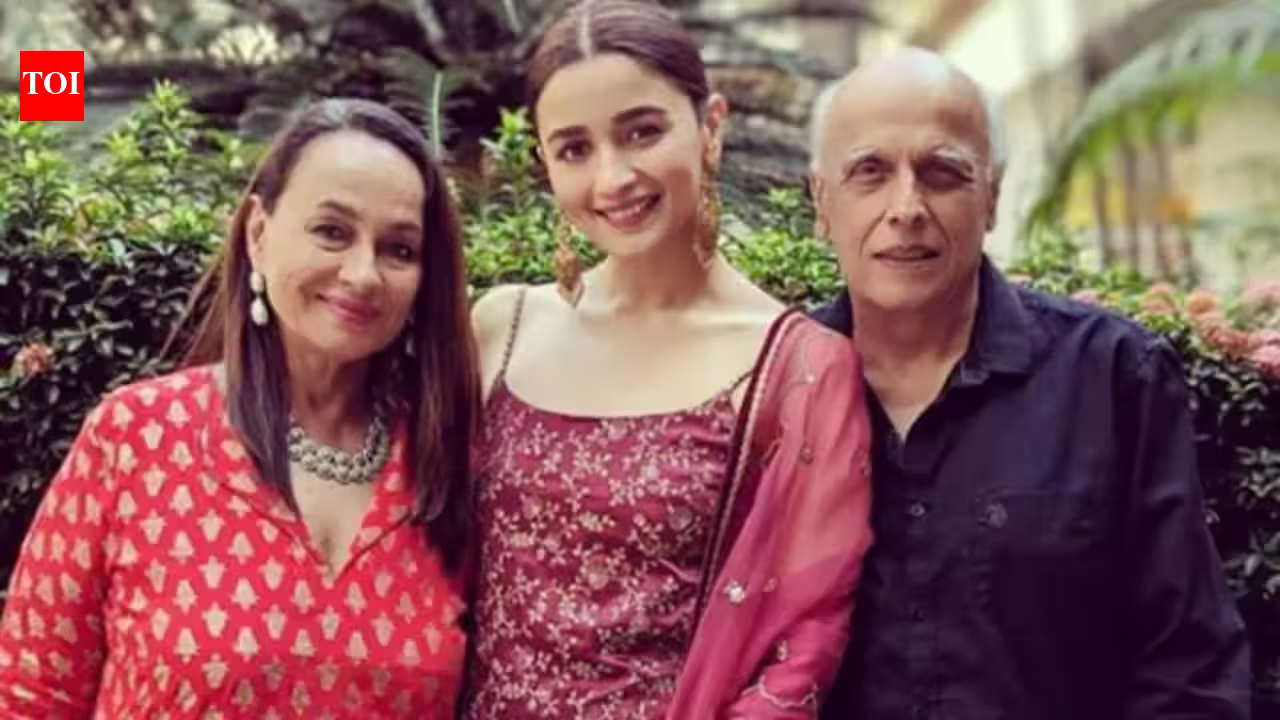
It is a common trope in Bollywood reporting to frame Soni Razdan’s career through the proximity she shares with industry titans Mahesh Bhatt and Alia Bhatt. However, listening to Razdan speak about her professional journey is a corrective to that narrative. When asked to define herself outside of these high-profile relationships, her response was startlingly candid.
“I was a struggling actress. After I married Mahesh Bhatt, I’m still a struggling actress. After I became Alia’s mother, I’m still a struggling actress,” she remarked. It is a sobering admission from a woman who has graced the screen for decades. By positioning herself as a “struggling actress,” Razdan isn’t looking for pity; she is identifying with the fundamental instability of the craft. To her, acting isn’t a state of arrival or a position of inherited power; it is an ongoing negotiation with casting directors, scripts, and the whims of a volatile market. She views herself not as a brand or an appendage to a famous family, but as a working professional who simply refuses to stop showing up.
The Hurdle of ‘Unusual’ Aesthetics
Perhaps the most intriguing part of Razdan’s reflection is her analysis of why her career didn’t follow the trajectory of the typical Hindi film heroine. In the 1980s and 90s, the Indian film industry operated within a very specific visual paradigm of what an “Indian” heroine should look like. Razdan, with her striking, unconventional features, often found herself on the periphery of that aesthetic mandate.
“I wouldn’t say it’s been a very smooth ride for me,” she admitted. “Because I’m sure if I had looked much more Indian, it would have been a lot easier.” This isn’t a critique of her own identity, but a pointed observation of the industry’s rigid beauty standards at the time. She believes her “unusual looks” acted as a barrier, effectively sidelining her talent in favor of more traditional archetypes. It is a testament to the progress—and the lingering limitations—of the film business that she suggests things might have been different had she been 25 today. The modern era of streaming platforms and globalized casting has largely dismantled the “traditional heroine” requirement, allowing actors with unique screen presence to thrive in roles that would have been inaccessible thirty years ago.
From the Boards of Theatre to the Silver Screen
Before the cameras, the vanity vans, and the global reach of platforms like Netflix, there was the stage. Razdan’s roots are firmly planted in theatre, a space that requires a level of raw, unedited vulnerability that cinema often sanitizes. For years, she believed her artistic life would be confined to the theatre, fueled by the intellectual rigor of live performances.
However, the “struggling artist” reality eventually caught up with her. The economics of the craft forced her hand, pushing her toward the more lucrative, albeit demanding, world of film. “I always thought I would be a theatre actor, not realising that theatre doesn’t give you any money,” she noted with a laugh. This transition serves as a reminder that for many actors of her generation, the shift to commercial cinema wasn’t always a calculated move for fame; sometimes, it was a necessary bridge to ensure financial viability while maintaining a commitment to the craft.
The Pursuit of Substance Over Glamour
In an industry where the “glam doll” role has historically been the shortest path to fame and commercial viability, Razdan maintained a stubborn refusal to be categorized by her exterior. Her goal was never to be the face on the poster that sells the film purely through cosmetic appeal. Instead, she sought out work that allowed her to flex her range, navigating roles that required nuance and psychological depth.
This internal compass is likely why she has remained a relevant, working actor well into her later years, while many of her contemporaries from the 80s have long since receded from the spotlight. By focusing on performances rather than persona, she avoided the burnout that often accompanies the pursuit of conventional stardom. She never fell into the trap of becoming a caricature of herself, which has allowed her to transition seamlessly into the content-rich environment of modern streaming television.
A Legacy of Resilience
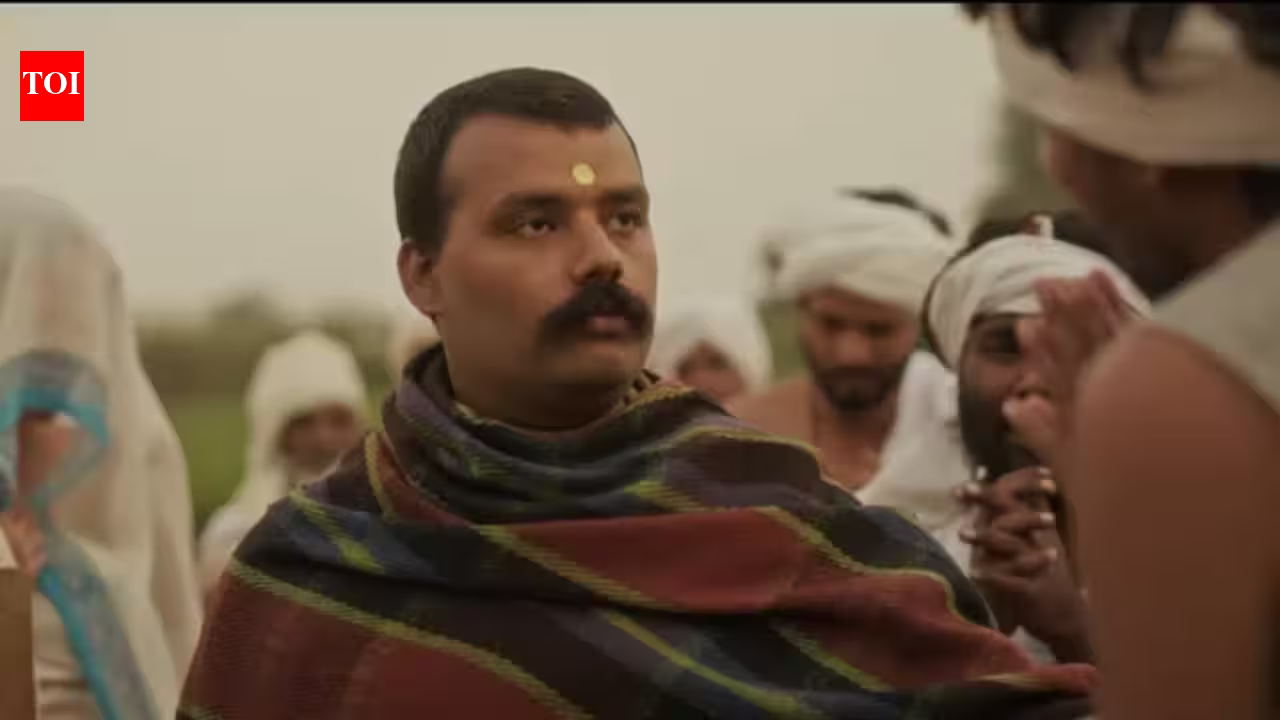
Most recently, audiences saw Razdan in the Netflix release Shaque: Trust No One. Watching her on screen, one sees the accumulation of a long, difficult, and deliberate career. She is an actor who has survived the shifting tides of the Indian film industry, not by relying on the influence of the men in her life, but by maintaining a steady hand on the tiller of her own identity.
Razdan’s story is a vital one for younger actors entering the fray today. It serves as a reminder that the industry—despite all its glitz and associations—is essentially a grind. There is a quiet, stoic dignity in the way she identifies as a “struggling actress” even now. It suggests that if you are doing it for the right reasons—because you love the craft, the directors you work with, and the act of storytelling itself—the struggle never really ends. And for Soni Razdan, that struggle seems to be exactly where she wants to be.
Disclaimer: This content is auto-generated for informational purposes only.
Source: Read Original News