







The Shift Toward an Automation-First Editorial Strategy
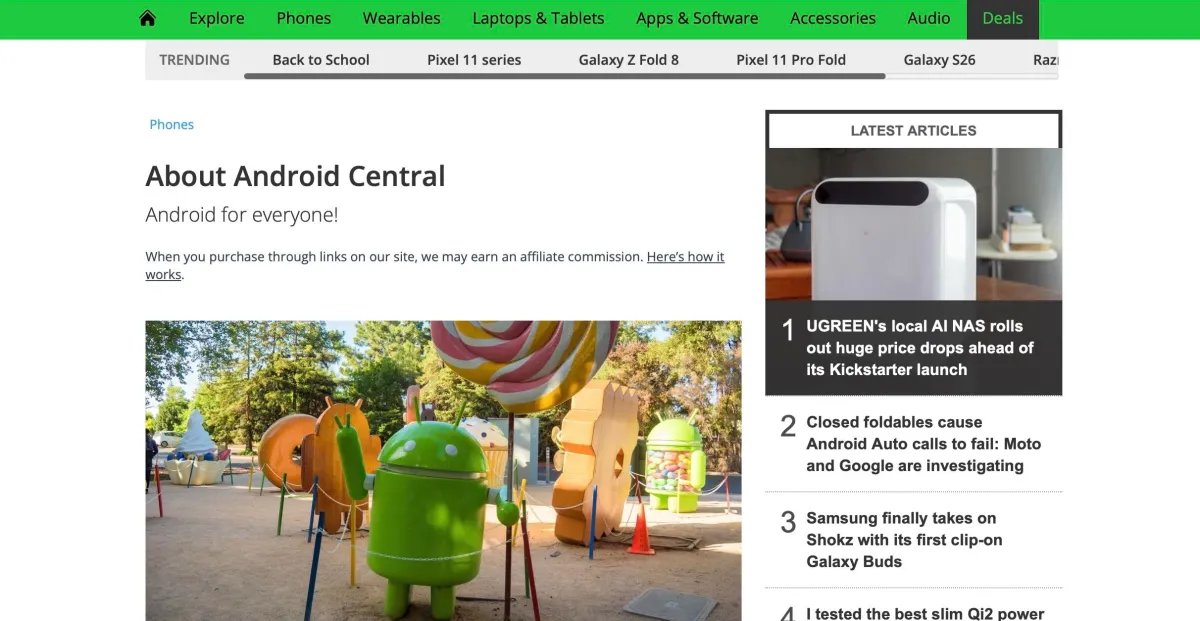
The recent personnel restructuring at Android Central, a long-standing authority in the mobile technology news sector, represents a broader transformation occurring within digital media organizations. The decision by parent company Future to terminate the contracts of the site’s full-time editorial staff marks a pivot in how niche technology publications manage content production and overhead costs. While the news of the layoffs sent a ripple through the industry, it is part of a larger trend where legacy media outlets transition from traditional staff-led models to automated or decentralized freelance systems.
By offloading core editorial responsibilities to freelance contributors, Future is effectively shifting its operational expense profile. In the digital age, where news cycles for smartphone releases, software updates, and hardware reviews move at an accelerated pace, maintaining a large, in-house team presents significant fixed costs. The transition to a freelance-heavy model allows for variable expenditure, where the quantity of content can be dialed up or down based on current market demands or traffic spikes, providing a layer of financial agility that permanent staffing does not support.
Understanding the Impact of Freelance-Centric News Cycles
The core functionality of a tech blog like Android Central relies on the consistent delivery of high-quality product analysis, technical tutorials, and industry commentary. With the sudden departure of key staff members, including the managing editor and senior writers, the site faces an immediate test of its operational resilience. Readers rely on these platforms not just for news, but for deep-dive investigations into complex technical topics such as kernel updates, hardware specifications, and OS fragmentation issues.
When a news platform shifts from a cohesive, in-house team to a fragmented freelance roster, the primary challenge is maintaining editorial continuity. Without a centralized editorial board or permanent staff members to vet the nuances of technical reports, the burden of consistency falls onto the publication’s automated tools and remaining managerial oversight. Freelancers offer the ability to scale production quickly, particularly during peak windows like the annual launch of new flagship devices. However, the loss of institutional knowledge—the kind of expertise developed over years of testing specific device ecosystems—may prove difficult to replace, potentially changing the technical depth of the content produced.
Technological Implications for Digital Media
The methodology behind how these sites publish content is also changing. With the integration of AI-assisted drafting tools, content management systems (CMS) now possess the capability to assist freelance writers in generating standardized reports more efficiently. For technical sites, this could mean that basic specification sheets, standard product announcements, and routine patch note summaries are handled via automated workflows, while deeper analytical pieces remain the purview of human contributors.
This technological shift creates a new landscape for readers. While users might experience faster turnarounds on breaking news, the specific, individual voice that often defines a publication’s credibility might become secondary to search engine optimization (SEO) performance. Future’s decision to keep the site active suggests that the brand equity of “Android Central” remains valuable as a repository for evergreen content and a platform for ad-supported traffic, even if the internal mechanics of how that traffic is generated undergo a fundamental redesign.
Sustainability and the Future of Niche Journalism
For those following the intersection of media and technology, this move by Future raises critical questions about the long-term sustainability of niche journalism. When major publishing conglomerates acquire specialized sites, the mandate is frequently to optimize for scale and revenue generation. Over time, this often leads to the deprioritization of in-house expertise in favor of broader, more easily monetized content formats.
The case of Android Central demonstrates that technical authority can be decoupled from a physical, permanent staff. As the industry moves forward, publishers are likely to lean further into hybrid models where minimal core staff manages a vast, international network of contract workers. For the reader, this translates to a more uniform experience across the digital landscape, though it risks diluting the distinct perspective that historically differentiated one expert-led blog from another.
Broader Industry Trends and Adaptation
The tech media industry is currently navigating a period of significant volatility. As search engines change how they prioritize information, moving away from purely chronological news feeds toward AI-curated summaries, publishers must adapt their delivery mechanisms. Future is responding to these external pressures by restructuring its assets to remain competitive in a high-velocity environment.
The transition at Android Central highlights a reality where digital platforms are treated more as dynamic infrastructure than as static editorial institutions. By confirming that the site will continue to publish, Future signals that the domain’s authority and search rankings are considered critical assets that must be preserved, even if the human element—the editors and journalists who built that reputation—is drastically reduced. As readers interact with the updated site, the true measure of this shift will be the quality and accuracy of the technical insights provided by the new contributors. If the content maintains its precision regarding Android architecture and hardware standards, the transition may be viewed as a successful operational pivot; if the technical depth declines, it could serve as a cautionary example for the wider technology publishing sector.
Disclaimer: This content is auto-generated for informational purposes only.
Source: Read Original News