





The modern press conference, particularly in the high-octane world of South Indian cinema, is a high-wire act. Journalists, often operating on tight deadlines and juggling multiple promotional events in a single day, are frequently expected to be walking encyclopedias of global pop culture. However, a recent incident involving the Telugu release of the film Dorothy has sparked a much-needed conversation about the performative cruelty of social media and the socio-economic reality of the people holding the microphones.
The firestorm began when a clip from a promotional event for the Karthik Subbaraj-directed film made the rounds online. In the video, a reporter asks Rana Daggubati—who is presenting the film’s Telugu version—why the title Dorothy was retained and what the name actually signified. For many scrolling through X (formerly Twitter), the question appeared elementary, leading to an immediate pile-on against the journalist for their apparent lack of awareness regarding The Wonderful Wizard of Oz.
The Voice of Reason: Chinmayi Sripaada’s Stand
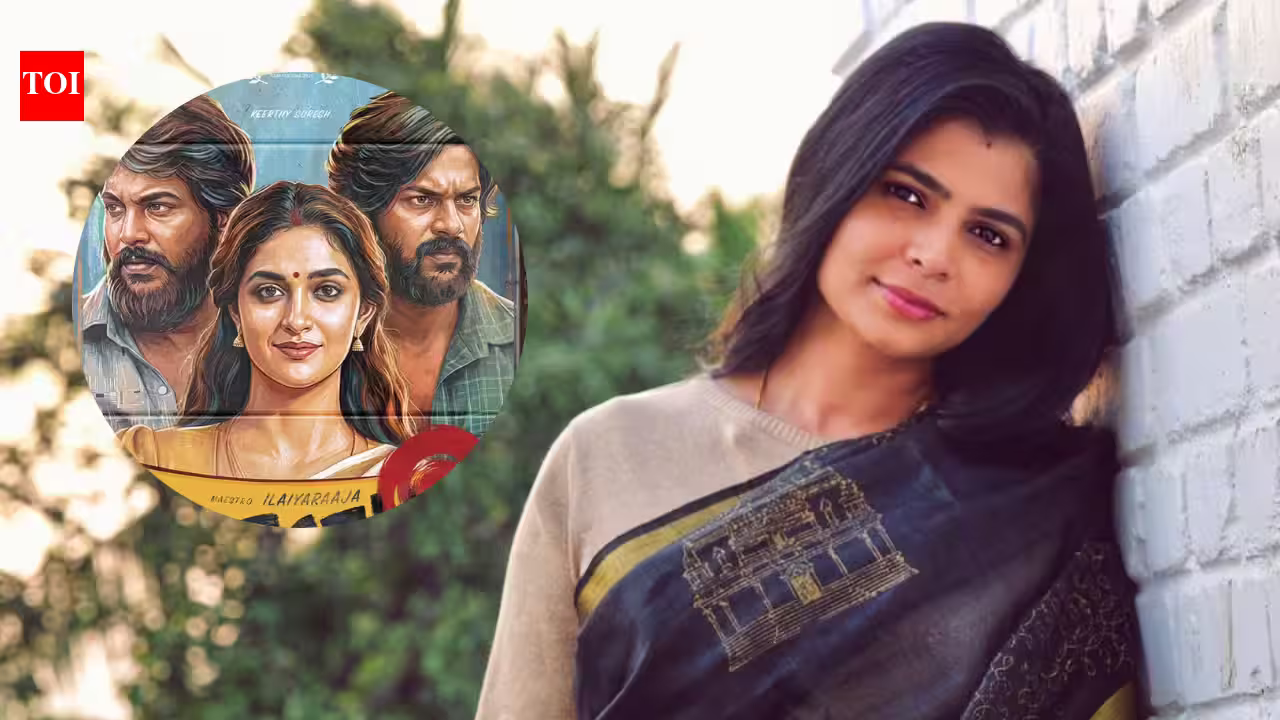
As the mockery gained momentum, playback singer and social activist Chinmayi Sripaada stepped into the fray, acting as a buffer between the public and the reporter. Sripaada’s intervention was not merely a defense of a colleague; it was a poignant critique of the “echo chamber” effect that often defines digital discourse.
Sripaada reminded her followers that the luxury of childhood literary consumption—specifically the access to Western classics like L. Frank Baum’s 1900 children’s book—is not a universal experience. In a country as vast and diverse as India, educational backgrounds, regional upbringing, and access to English-language literature vary wildly. To mock a journalist for not instantly recognizing a specific Western cultural reference is, as Sripaada aptly put it, a failure of empathy. “Some empathy would be great,” she noted, pointing out that what some deem “common knowledge” is often a privilege afforded by class and environment.
Rana Daggubati’s Patient Pivot
In the heat of the moment, it was Rana Daggubati who displayed the kind of media savvy expected of a veteran producer. Rather than dismissing the question or leaning into the condescension often seen in such scenarios, the actor-filmmaker provided a grounded, professional answer.
Daggubati clarified that the title is inextricably tied to the film’s narrative arc. “Dorothy means a gift from God,” he explained to the room, emphasizing that the name is a specific character identifier. He underscored the point by noting that the film’s title would make perfect sense to the audience once they experienced the story in its entirety. His response served as a masterclass in PR; he turned a moment that could have been awkward into a brief, meaningful explanation of the character-driven nature of the project.
Beyond the Title: The Broader Controversy
The friction surrounding the Dorothy press event is symptomatic of a larger, more volatile climate currently surrounding the film. While the title debate dominated the headlines for a day, Dorothy has been grappling with far weightier controversies. The film, which features Keerthy Suresh in the titular role alongside Sananth and Rishikanth, has found itself in the crosshairs of conservative social media factions due to its exploration of queer themes and its 1980s-set narrative structure.
The discourse has occasionally devolved into calls for boycotts, a recurring trend for films that challenge traditional narratives or venture into non-heteronormative storytelling. Director Karthik Subbaraj, who is no stranger to bold filmmaking, has been vocal in his response to the backlash. He has pointed out the absurdity of condemning a film based on speculation, noting that much of the vitriol has originated from individuals who have yet to actually view the movie.
Industry Support vs. The Internet Noise
While the social media trenches remain divided, the film has managed to garner significant industry backing. The most notable endorsement came from none other than Dhanush, who lauded the project as a “masterpiece.” Such high-profile support acts as a counterweight to the online negativity, suggesting that the film’s artistic merit is being recognized by those who understand the nuance of Subbaraj’s vision.
As the October 2 release date approaches for Andhra Pradesh and Telangana, the film stands at a crossroads. It represents a collision between traditional regional cinema expectations and a contemporary, globalized style of storytelling that explores complex interpersonal dynamics.
Lessons for the Digital Age
The entire Dorothy incident acts as a mirror for the entertainment industry. It highlights the widening gap between the “digital elite”—who are quick to point fingers at any perceived lack of cultural awareness—and the reality of on-the-ground media personnel.
When we criticize a reporter for asking a question that seems “simple,” we aren’t just critiquing a lack of information; we are signaling a disregard for the realities of their profession. Journalists in the entertainment beat are there to extract information for the audience, to bridge the gap between the creator and the consumer. By bullying those who ask questions, the public risks creating a sterile environment where reporters are afraid to ask anything at all for fear of becoming the next viral target.
Ultimately, the takeaway from this week’s drama is simple: before jumping to ridicule, it is worth remembering that the person behind the microphone is a professional trying to do a job. As the film gears up for its release, the focus should ideally shift back to the craft, the performances of Keerthy Suresh, and the directorial choices of Karthik Subbaraj. After all, cinema is intended to be a mirror of the human experience—a mirror that works best when we look at it with a little more curiosity and a little less judgment.
Disclaimer: This content is auto-generated for informational purposes only.
Source: Read Original News