








Thames Water Crisis Deepens as Britain’s Sole Desalination Plant Remains Idle Amidst Record Low Flows
LONDON – As England grapples with increasingly volatile weather patterns and the looming specter of drought, a critical infrastructure puzzle piece remains stubbornly dormant: Britain’s only large-scale desalination plant. Despite water levels in the iconic River Thames plummeting to the point of triggering operational protocols for the facility, the multi-million-pound reverse osmosis plant has not been activated even once this year, raising serious questions about water security and preparedness in the face of climate change.
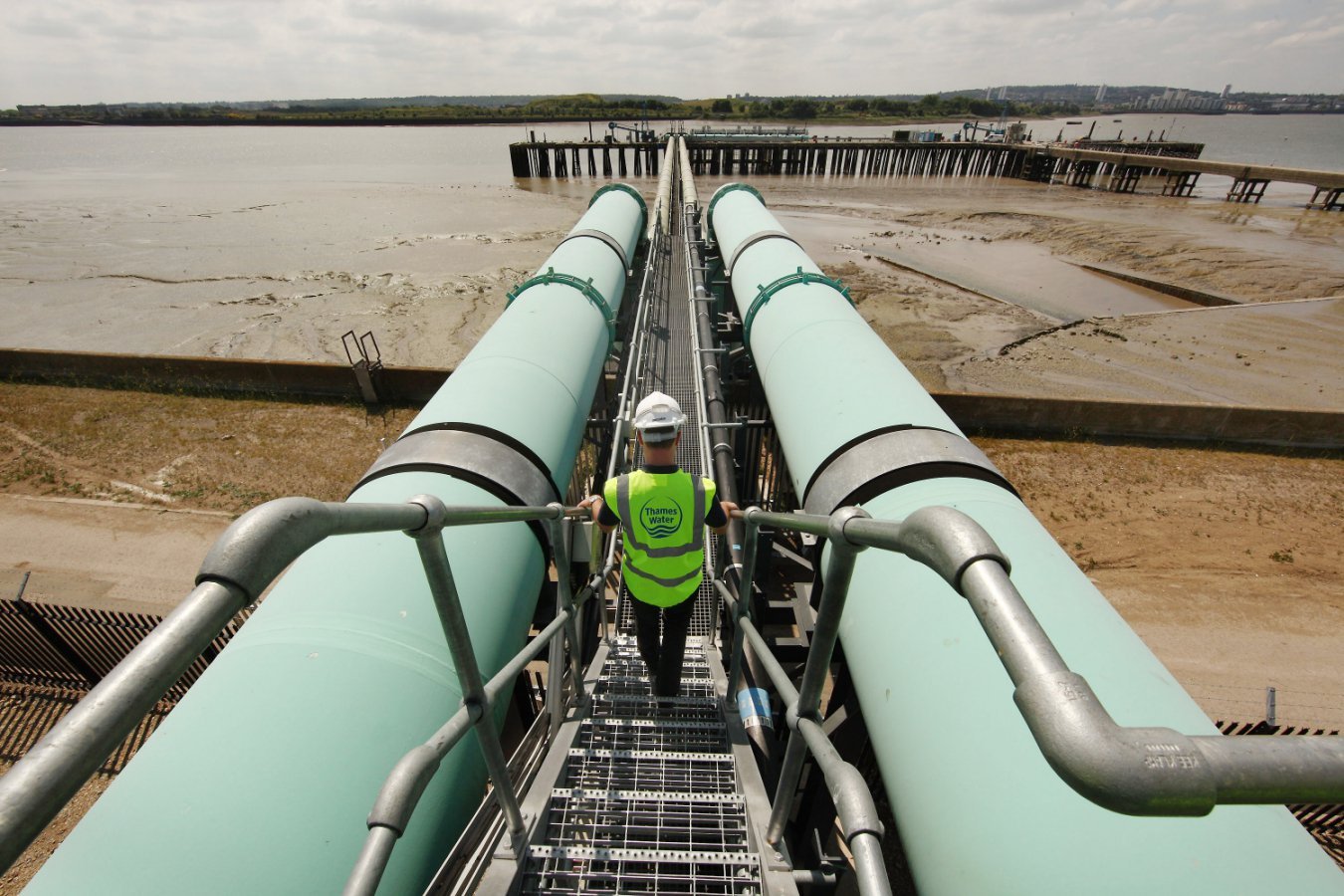
The state of the Thames, a vital artery supplying millions across the capital and surrounding areas, has become a growing concern for environmental agencies and water suppliers alike. Recent monitoring indicates that water flow has dropped to such critically low levels that it meets the very criteria designed to warrant the activation of the Beckton Desalination Plant in East London. Yet, the facility, a flagship project intended to bolster resilience against water shortages, stands silent.
Completed in 2010 at a cost of approximately £270 million, the Beckton plant was hailed as a forward-thinking solution to safeguard London’s water supply during periods of extreme dry weather. Capable of producing up to 150 million litres of drinking water per day – enough to supply around one million people – its continued inactivity amidst such pressing circumstances is drawing sharp criticism.
Experts point to a combination of factors contributing to the plant’s idleness. High energy costs associated with the reverse osmosis process, a complex system that removes salt and impurities from seawater, are frequently cited as a major deterrent. Operating the plant is significantly more expensive than traditional water abstraction and treatment methods, leading Thames Water, the utility responsible for its operation, to prioritize other, cheaper options.
However, critics argue that the long-term environmental and economic costs of not having a reliable backup source far outweigh the short-term operational expenses. With climate change predicted to bring more frequent and intense droughts to the UK, reliance on conventional rainfall and river abstraction becomes increasingly precarious.
The situation in the Thames is not isolated. Across England, water companies are facing unprecedented challenges in maintaining supply levels. Reservoirs are below average, and groundwater reserves are being depleted at an alarming rate. The non-activation of the Beckton plant serves as a stark reminder of the complexities and trade-offs involved in managing a nation’s water resources in an era of climate uncertainty.
While Thames Water has not yet issued a formal statement on the plant’s current operational status this year, the visual evidence of the low-flowing Thames and the absence of any reported activation signals a strategic decision to hold the facility in reserve, or perhaps a reluctance to incur the significant costs associated with its operation.
As the summer months approach and the risk of further dry spells increases, the pressure on water utilities and the government to address England’s water security will only intensify. The idle desalination plant stands as a powerful symbol of the urgent need for a robust, sustainable, and proactive approach to managing one of the country’s most precious resources. The question remains: at what point will the cost of inactivity finally outweigh the cost of activation?