







Global Food Inflation Alert: JPMorgan Warns of 2027 Surge Amid Geopolitical Tensions, Fertilizer Crisis, and Super El Niño
New Delhi, India – A confluence of critical global factors – escalating geopolitical tensions, persistent fertilizer shortages, and the looming threat of a powerful El Niño event – is set to drive global food inflation sharply upward in 2027, according to a stark warning issued by multinational financial services giant, JPMorgan. The firm projects a significant increase, with global food inflation potentially reaching approximately 5% in the first half of 2027, a substantial jump from the anticipated 2.8% in the first half of 2026.
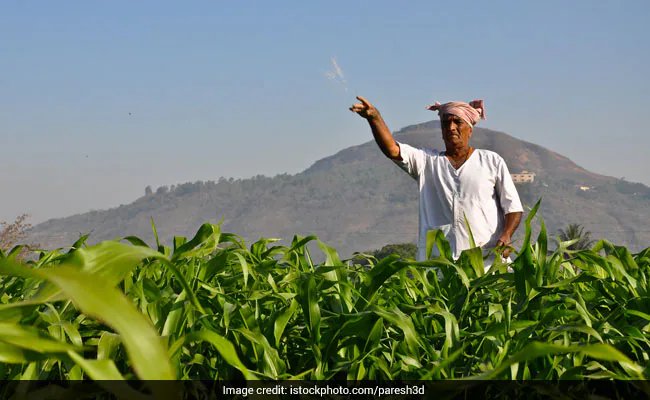
This alarming forecast carries particular weight for nations like India, which is already grappling with elevated fertilizer costs and an agricultural sector heavily reliant on the erratic monsoon season. The perilous combination of expensive agricultural inputs and unpredictable rainfall threatens to exert immense pressure on both farmers and consumers across the subcontinent.
Fertilizer: At the Epicenter of the Looming Crisis
JPMorgan’s analysis places the global fertilizer market at the heart of the impending crisis. The Middle East, a region frequently embroiled in political instability, accounts for a staggering 42% of global urea exports and 27% of ammonia exports. Any protracted disruption to shipping lanes, particularly around the strategically vital Strait of Hormuz, could severely impact global fertilizer supplies and trigger substantial price hikes.
Adding another layer of vulnerability is natural gas, a crucial raw material for producing nitrogen fertilizers such as urea. Fluctuations in gas prices directly translate to increased fertilizer production costs. Should these costs become prohibitive, farmers may be forced to reduce fertilizer application, leading to a detrimental impact on crop yields worldwide.
JPMorgan estimates that the recovery of damaged fertilizer production capacity could span one to four years, while natural gas facilities might require three to five years to return to full operational status.
India, being one of the world’s largest purchasers of urea, faces a unique predicament. Indian farmers currently acquire a 45-kg bag of urea for approximately $2.80 (₹266.50), a mere fraction of the government’s procurement cost, which was more than ten times higher in a recent April tender, as reported by Bloomberg. This significant price differential is absorbed through substantial government subsidies. However, these subsidies are becoming increasingly burdensome. A government official cited in the report suggests that India’s fertilizer subsidy bill could exceed $31 billion (₹3 trillion) in the current financial year. Should the Middle East conflict persist, this cost is projected to escalate further.
This scenario presents the Indian government with a difficult policy dilemma: either continue to subsidize fertilizers heavily, absorbing the rising financial burden, or risk alienating a crucial farming community by encouraging reduced fertilizer use, which could jeopardize crop yields and farmer livelihoods.
The Looming Shadow of El Niño
Beyond fertilizer concerns, the weather poses an equally significant threat. JPMorgan has issued a serious warning regarding the developing El Niño phenomenon, anticipating that it could evolve into an exceptionally strong event. Economists at the firm estimate an 81% probability of a very strong, or "super," El Niño by the end of 2026, with the likelihood of El Niño conditions extending into 2027 pegged at 97%.
El Niño events are notorious for altering global rainfall and temperature patterns, particularly across major agricultural regions. Historical data indicates a typical 3.5% decline in agricultural production in tropical regions during El Niño years, although the specific impact can vary significantly based on region and the intensity of the event.
A powerful El Niño, according to JPMorgan, could independently contribute approximately 0.7 percentage points to global food inflation at its peak. If this is compounded by higher energy prices, the total impact on inflation could surge to an estimated 1.3-1.5 percentage points.
For India, the southwest monsoon remains an indispensable lifeline for its agricultural sector and overall water security. While El Niño has historically been associated with weaker Indian monsoons, this relationship is not absolute. There have been exceptions, such as in 1997, when India experienced above-normal monsoon rainfall despite a strong El Niño, influenced by other climatic factors like the Indian Ocean Dipole. Therefore, a strong El Niño does not automatically guarantee a drought in India, but it significantly elevates the risk.
Furthermore, even a normal volume of rainfall can be rendered ineffective if its timing is off. Prolonged dry spells can severely damage crops, while concentrated bursts of heavy rain can lead to widespread flooding and crop destruction. A weaker or more erratic monsoon could devastate critical crops such as rice, pulses, oilseeds, cotton, and sugarcane. Reduced domestic production would tighten supplies, driving up wholesale prices and ultimately fueling retail inflation.
India has already witnessed the swift escalation of food prices into a significant political and economic issue. During the 2023-24 El Niño episode, the government implemented export restrictions on several agricultural commodities to safeguard domestic supplies and stabilize prices.
No Immediate Threat of Famine, But Pressure Mounts
JPMorgan’s warning primarily focuses on the escalating challenge of food inflation and supply pressures, rather than an imminent threat of empty markets or widespread famine. India, thankfully, possesses considerable buffers. JPMorgan highlights adequate global grain inventories and relatively healthy rice stocks across Asia. India’s own rice inventories remain robust, even exceeding annual global rice exports.
However, these stock reserves can only provide a temporary cushion against supply shocks. They are not a long-term solution to the persistent problems of high farm input costs, diminished harvests, and prolonged disruptions.
"JPMorgan’s warning of a 2027 food crisis underscores the urgent need for climate-resilient agriculture. India must aggressively diversify its fertiliser supply chains and accelerate smart farming techniques to buffer its domestic food security against these predictable global shocks. The combination of El Nino weather patterns and severe fertiliser shortages means that safeguarding India’s agricultural output requires immediate, proactive policy intervention," Abhishek Bhilwaria, Partner at BhilwariaFinserv, emphasized to NDTV, highlighting the critical need for India to proactively address these complex and interconnected challenges.