









IHS Invests $15.3 Million in Tribal Housing to Combat Healthcare Worker Shortages
Rockville, MD – The Indian Health Service (IHS) has announced a significant investment of $15.3 million to fund eight staff housing projects across tribal communities and Native health organizations. This initiative, part of the IHS’s broader strategy to attract and retain healthcare professionals, directly addresses the critical workforce shortages plaguing many remote Native American communities.
The awards, ranging from $757,000 to $3.65 million, are allocated through the IHS’s Healthcare Facilities Construction Funds Quarters Program. Out of 22 applications received from six different areas, eight projects were meticulously selected based on factors such as demonstrable housing needs, the remoteness of the location, project costs, readiness for implementation, and the vital ability to support essential staffing.
This proactive approach comes in response to alarming statistics revealed by the IHS last year, indicating job vacancy rates exceeding 30% across its facilities. A stark example is the Crow/Northern Cheyenne Hospital in Montana, which recorded a staggering 47% vacancy rate even after new employee housing was opened last year. The lack of suitable and affordable housing has long been identified as a major impediment to recruiting and retaining healthcare workers, particularly in isolated tribal lands.
Among the recipients, the Winnebago Comprehensive Healthcare System (WCHS) in Nebraska has been awarded $977,000 to construct a fourplex of one-bedroom units for its employees. WCHS has experienced substantial growth, with its workforce expanding from approximately 199 to 349 employees as it has broadened its healthcare services. This project will be a collaborative effort with the Winnebago Tribe of Nebraska and Ho-Chunk Inc., the tribe’s economic development corporation, through BluStone Homes.
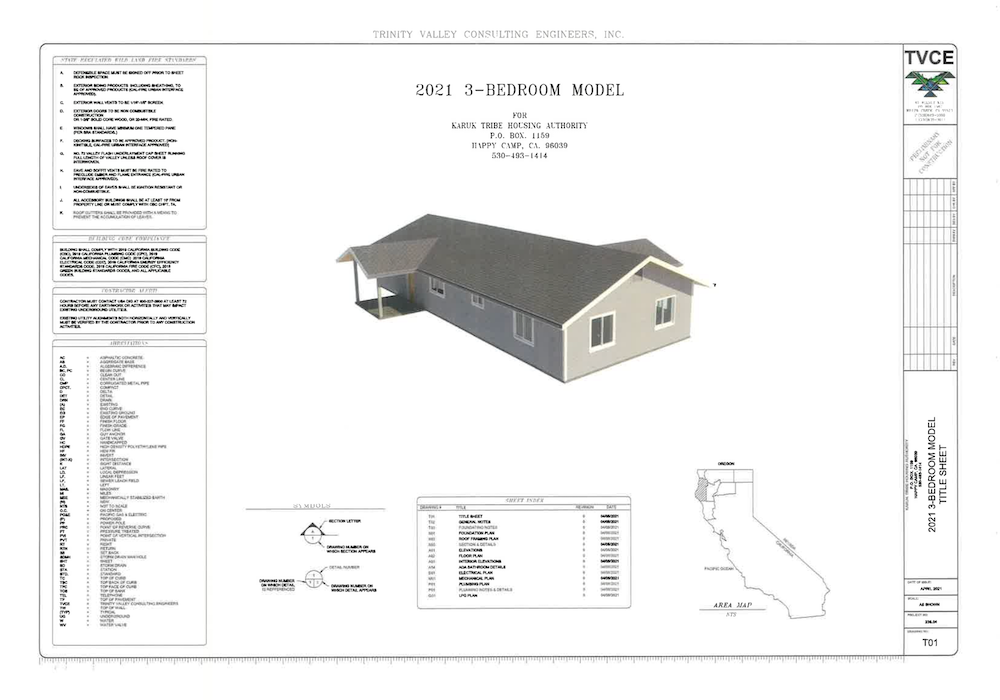
Similarly, the Karuk Tribe in California received $1.505 million to build three three-bedroom, single-family homes designed for healthcare professionals and other essential workers. These homes will integrate into a larger workforce housing development already in progress. The Karuk Tribe, which announced its award in June, has consistently highlighted how limited housing options present a significant hurdle in attracting and retaining vital healthcare personnel in their rural tribal communities.
Other notable awards include $3.65 million for the Hoopa Valley Tribe, $3 million for the Southeast Alaska Regional Health Consortium, and $2.39 million for the Santee Sioux Nation, demonstrating a widespread commitment to improving housing infrastructure for healthcare staff.
The funding for these projects stems from a $13.575 million appropriation by Congress for the Healthcare Facilities Construction Funds Quarters Program for fiscal year 2026. This, combined with unused funds carried over from previous years, provided the IHS with a total of $15.331 million for the eight selected projects.
Looking ahead, the 2026 funding mandates that these projects not only address housing needs but also incorporate environmental sustainability. According to the IHS, future initiatives must reduce environmental impacts and integrate renewable energy sources, green infrastructure, and modern energy-efficiency standards, signaling a commitment to both community well-being and ecological responsibility.
About the Author: Brian Edwards is the associate publisher and associate editor of Tribal Business News and Native News Online. A veteran publisher, editor, business reporter, and serial entrepreneur, he brings extensive experience to his coverage of Native American business and healthcare initiatives.