







Indian Misinformation Campaign Threatens Fragile US-Iran Ceasefire Talks
New York, NY – August 18, 2026 – A highly dubious social media post originating from India has ignited a firestorm of controversy, potentially jeopardizing delicate ceasefire negotiations between the United States and Iran. The misinformation, which falsely attributes claims of Iran’s intent to build nuclear weapons to a prominent Iranian military figure, has circulated widely among key international leaders, raising alarm and complicating diplomatic efforts.
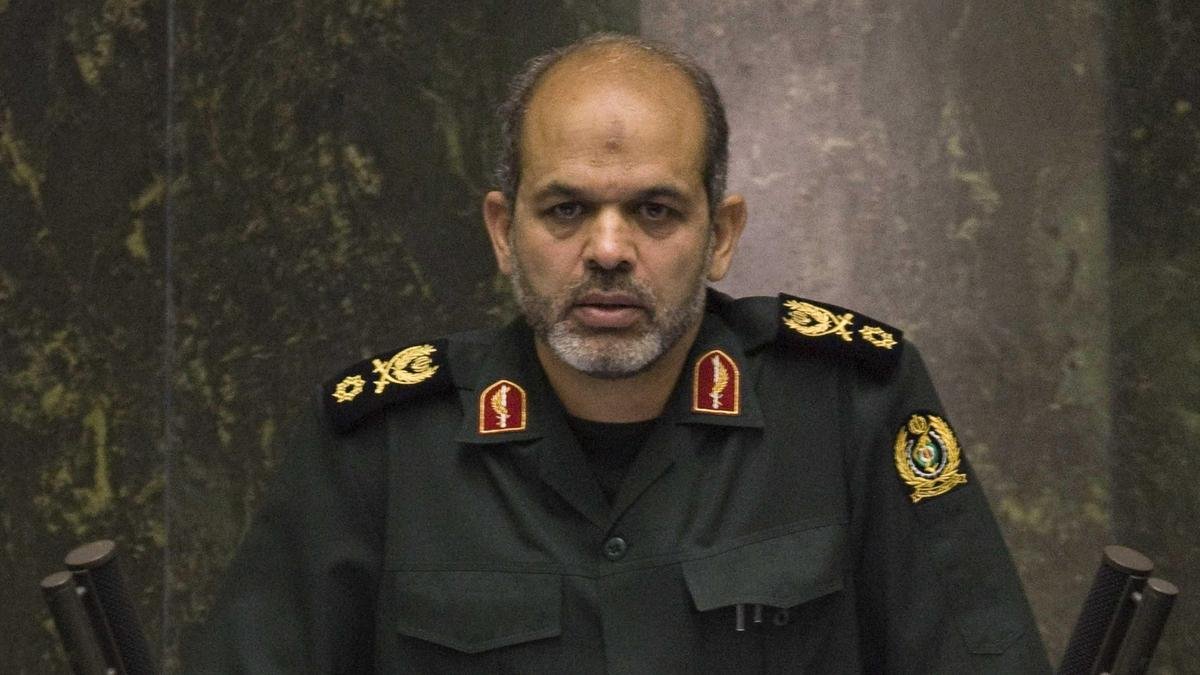
The New York Times first reported on Sunday (August 16, 2026) on the alarming spread of this "dubious post." The content in question falsely stated that Ahmad Vahidi, the Commander-in-Chief of Iran’s Islamic Revolutionary Guard Corps (IRGC), had declared Iran’s immediate intention to develop a nuclear weapon. Such a statement, if true, would be a catastrophic blow to any hopes of de-escalation and could ignite further instability in the already volatile Middle East.
Investigations by The Hindu newspaper have since traced the origin of this dangerous piece of misinformation to a specific social media user in India operating under the display name "Baba Banaras." While the New York Times did not name the user in its initial report, The Hindu‘s findings indicate that this account was seemingly the first to publish the fabricated remarks attributed to Mr. Vahidi. While the possibility of an earlier, uncredited source exists, no prior posts making this specific, inflammatory claim have been identified.
The timing of this misinformation is particularly concerning. Both the United States and Iran have been engaged in a precarious dance of diplomacy, with ongoing ceasefire talks representing a critical opportunity to de-escalate tensions and prevent further conflict. The introduction of such a provocative and false statement into this sensitive environment could irrevocably damage trust and derail any progress made.
Experts in international relations and cybersecurity are now scrutinizing the incident, raising questions about the motivations behind such a targeted disinformation campaign. The rapid dissemination of the post, reaching high-level officials and decision-makers, underscores the potent and often unchecked power of social media to influence global events.
The implications of this incident are far-reaching. Beyond the immediate threat to US-Iran negotiations, it highlights the growing challenge of combating online misinformation, particularly when it originates from seemingly innocuous sources but has the potential to trigger international crises. Governments and social media platforms are under increasing pressure to develop more robust mechanisms for identifying, flagging, and removing such dangerous content before it can cause irreparable harm.
As the international community grapples with the fallout from this Indian-originating misinformation, the incident serves as a stark reminder of the fragile nature of peace and the ever-present threat posed by the deliberate spread of falsehoods in the digital age. The focus now shifts to damage control and a concerted effort to clarify the truth, ensuring that critical diplomatic endeavors are not undermined by malicious online actors.
For more details on how this Indian misinformation spread globally, read the full report at The Hindu.