








The landscape of Indian cinema is currently witnessing a shift toward grand, multi-generational sagas, and filmmaker Anil Sharma is firmly planting his flag in this new territory. Fresh off the massive success of Gadar 2, which proved that audiences still crave the high-stakes, high-emotion storytelling that defined the early 2000s, Sharma is pivoting toward a vastly different, yet equally ambitious, playground: the glittering, high-stakes history of 1960s Dubai.
His latest project, Arjun Naga, is not merely another period piece; it is an epic designed to span four parts, charting the tectonic shifts of a region transitioning from a humble trading port to a global financial powerhouse. With a production timeline stretching toward 2027 and a star-studded ensemble, the project is positioning itself to be one of the most significant Indian productions of the decade.
Randeep Hooda and Celina Jaitly Join the Fray
The project’s gravity has been bolstered by the recent inclusion of powerhouse performers Randeep Hooda and Celina Jaitly. While the specifics regarding their characters remain under strict wraps, their involvement adds a layer of prestige and acting gravitas that elevates the film beyond a standard star vehicle. They join Utkarsh Sharma, who is shouldering the monumental task of anchoring the four-part saga, and the formidable Arjun Rampal, who has been tapped to play the story’s primary antagonist.
The strategy here is clear: Anil Sharma is leaning into an ensemble-heavy approach. By balancing the young, rising energy of his son, Utkarsh, with the seasoned, intense presence of actors like Hooda and Rampal, the director is ensuring that Arjun Naga possesses the dramatic weight required to sustain a four-film narrative. It’s a classic move by a filmmaker who knows that for a story to span generations, the casting must be as expansive as the budget.
A Chronology of Gold and Oil
At the heart of Arjun Naga is the transformative narrative of Dubai’s 1960s oil boom. History tells us that the discovery of oil in the Fateh field in 1966 was the singular event that catapulted a modest fishing and trading hub into the stratospheric wealth we recognize today. However, Sharma isn’t just filming a history lesson.
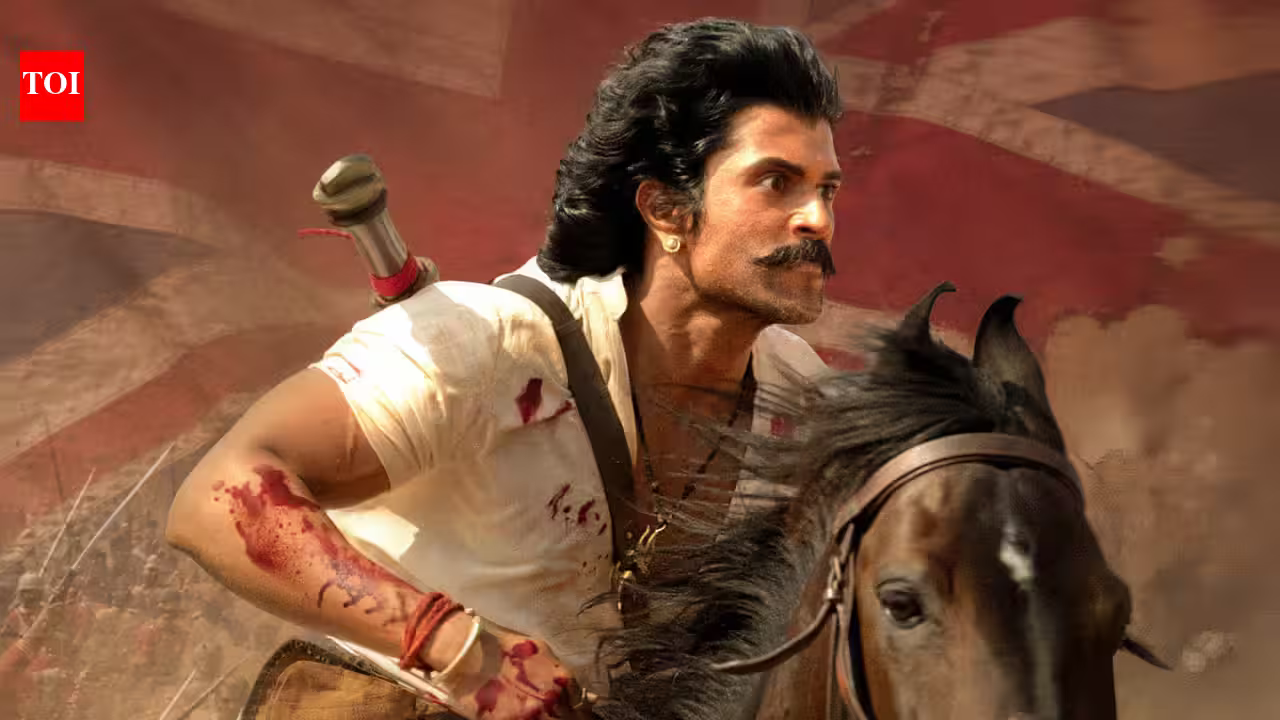
The screenplay is reportedly framing this historical turning point through the lens of a rags-to-riches odyssey. Utkarsh Sharma’s character will navigate the volatile socio-economic landscape of the era, rising from the grit of poverty to the pinnacle of wealth. It is a tale of ambition, power, and the shifting fortunes that defined the decade. By incorporating the real-world concessions granted to the Continental Oil Company, the film promises to ground its fictionalized drama in the authentic dust and tension of the era’s drilling sites. It’s an ambitious attempt to synthesize the romance of period cinema with the cold, hard economic realities that built a modern nation.
The Logic of the Four-Part Saga
In an era where “universes” and “sagas” often feel like marketing buzzwords, Anil Sharma is taking a methodical, structural approach to Arjun Naga. The filmmaker has confirmed that the project is being developed specifically as a four-part epic, with each installment carrying a distinct title.
This decision serves two purposes. First, it allows the narrative the room to breathe. Instead of rushing through the 1960s, the film can dwell on the granular details of the oil rush, the political maneuvering, and the personal stakes of the characters. Second, it allows the production to remain agile. With a filming schedule that spans Mumbai, Rajasthan, Dubai, and various international locations, the segmented approach provides the logistics team the necessary window to capture the specific aesthetic of each decade and setting. As Sharma noted, the changing titles for each part suggest a narrative that evolves significantly, signaling that the audience is in for a long-form experience rather than a singular, contained story.
From Mumbai to the Global Stage
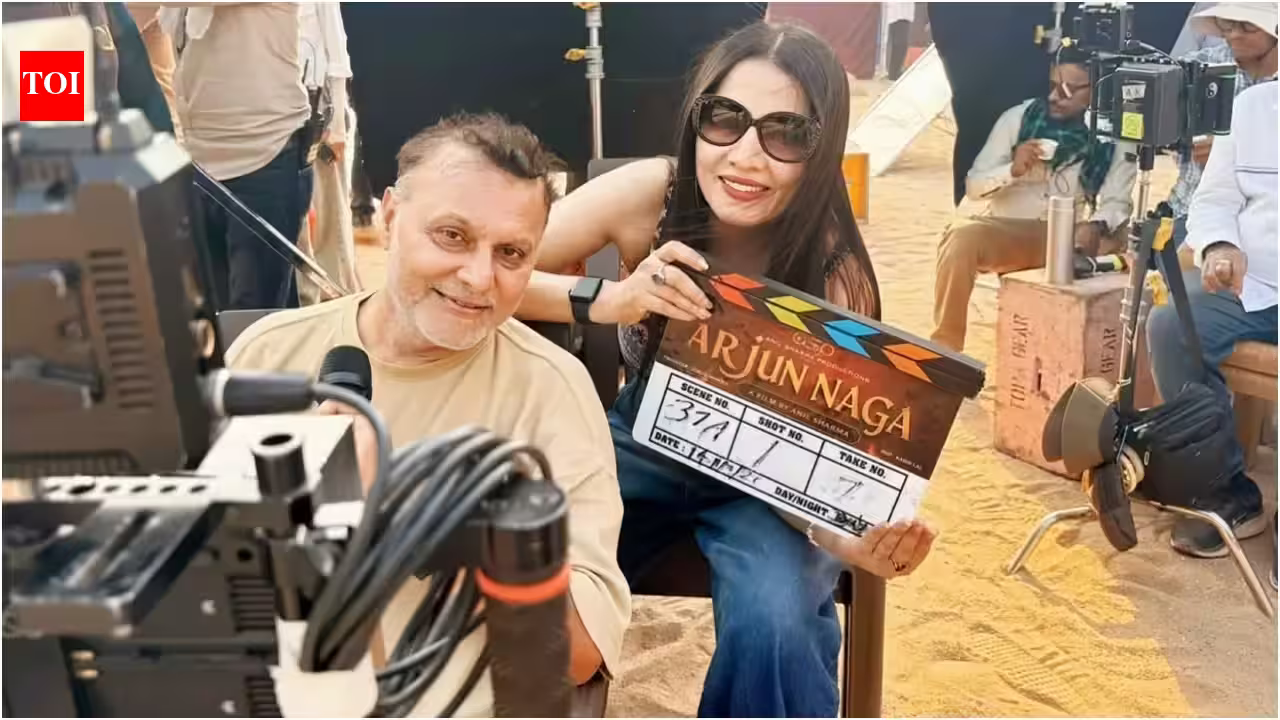
The production of the first installment is currently underway in the sprawling sets of Mumbai’s Film City, but the vision for Arjun Naga is undeniably global. The team has set a target of March 2027 to wrap the primary photography for the first chapter, a timeline that underscores the sheer scale of the undertaking.
This isn’t a quick-turnaround project; it is a marathon. The production design is expected to be a massive undertaking, requiring the recreation of a mid-century Dubai that no longer exists—a world of wooden dhows, early drilling rigs, and the sparse, sun-drenched landscapes that preceded the arrival of skyscrapers.
As we look toward the next three years, the industry’s eyes will be fixed on this production. Can Anil Sharma replicate the mass-market success of his Gadar franchise while pivoting to a more nuanced, historical drama? With a cast of this caliber and a narrative scope that mirrors the growth of one of the world’s most famous cities, Arjun Naga is shaping up to be a test of whether high-concept, multi-part Indian cinema can truly dominate the global box office. For now, the set in Mumbai is quiet, but the anticipation building around this four-part odyssey is anything but. Whether you are a fan of the dramatic rags-to-riches trope or simply curious about the cinematic portrayal of Middle Eastern history, Arjun Naga is a project that demands your attention.
Disclaimer: This content is auto-generated for informational purposes only.
Source: Read Original News