






Football Star Jamal Musiala Reveals Diagnosis of "Absence Seizures" Following On-Pitch Incidents
Munich, Germany – Bayern Munich and Germany international Jamal Musiala, 23, has publicly disclosed that he has been diagnosed with "temporarily occurring, brief absence seizures" after experiencing two collapse incidents during pre-season friendly matches. The talented midfielder’s revelation aims to clarify the concerning episodes and reassure fans about his health and future in professional football.
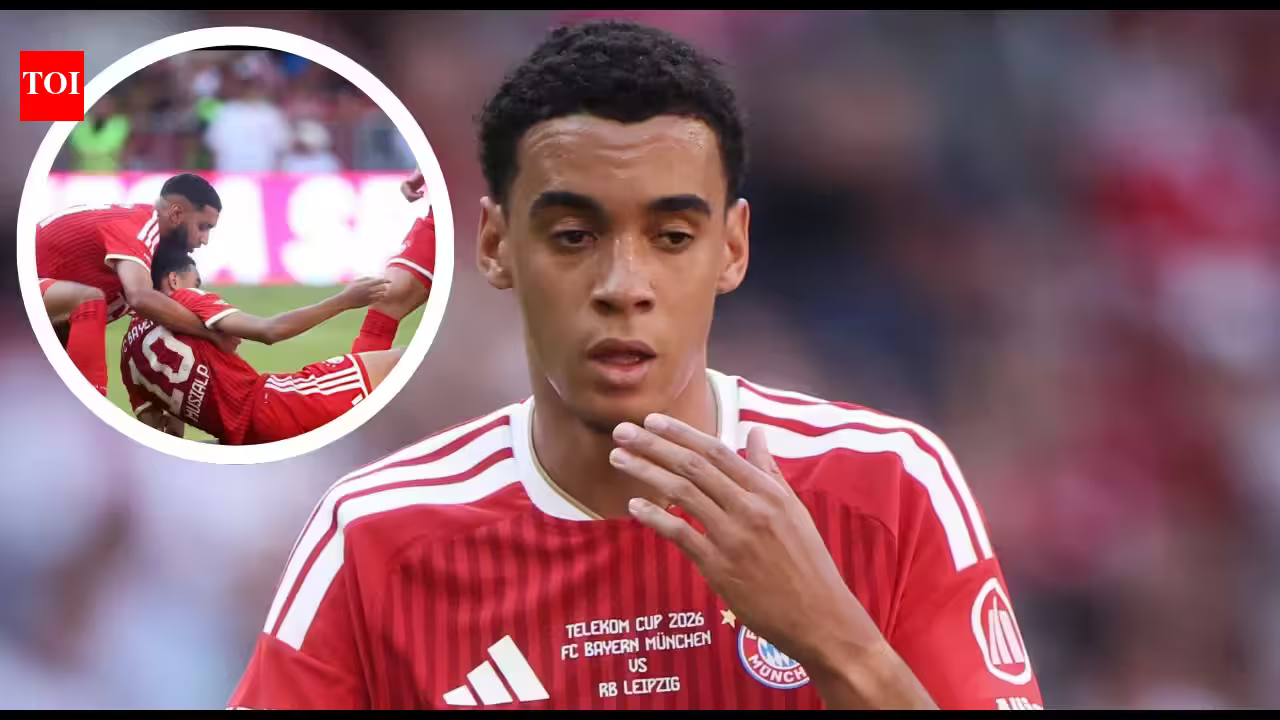
Musiala’s announcement follows two separate incidents within four days. The first occurred during Bayern’s friendly against RB Leipzig on August 15th, where he appeared unsteady and began to fall, only to be safely caught by teammate Ismael Saibari. He was able to walk off the pitch unassisted and returned to training. Just four days later, during a 4-2 victory over Heidenheim, Musiala, who had come on as a substitute, experienced a similar episode, leading to immediate medical attention on the field.
In a statement, Musiala confirmed that these incidents are linked to a neurological dysfunction, which he is currently managing with specialist medical care. He expressed optimism about his condition, stating that it is treatable and that, following consultations with neurological experts, he intends to continue his normal life and his career in football.
Understanding Absence Seizures
Absence seizures, previously known as petit mal seizures, are characterized by brief, sudden lapses in consciousness. These episodes are more prevalent in children but can persist into adulthood. During an absence seizure, an individual might appear to stare blankly into space, lose concentration, or pause an activity, often without any memory of the event afterward.
According to the Mayo Clinic, a typical absence seizure usually lasts around 10 to 30 seconds. Unlike other seizure types, they generally do not involve dramatic muscle jerking, and individuals typically recover quickly without post-seizure confusion, headache, or drowsiness. Massachusetts General Hospital notes that the loss of awareness typically lasts between five and 30 seconds, during which the person may seem to be daydreaming and unresponsive to their surroundings. Small, repetitive movements such as eyelid fluttering, lip smacking, chewing motions, or finger rubbing can also occur.
While Musiala’s public statement confirms the diagnosis, it does not provide extensive medical details regarding the precise manifestation of his individual episodes beyond the disorienting and collapsing nature observed during the matches.
The Concern of On-Pitch Episodes
The nature of Musiala’s incidents, occurring while actively playing, raises questions about the safety implications for an elite athlete. An absence seizure primarily involves a temporary interruption of awareness, rather than a prolonged loss of consciousness typically associated with a conventional faint. However, for a footballer, a momentary loss of awareness while running, challenging for the ball, or moving at high speeds can undeniably present a different set of risks.
The Mayo Clinic highlights that while an absence seizure itself is rarely physically harmful, the circumstances in which it occurs can pose dangers. Activities requiring continuous attention, such as driving or cycling, can become hazardous. In Musiala’s case, teammate Saibari’s quick intervention to safely lower him to the ground during the Leipzig friendly likely prevented potential injury.
Musiala has directly addressed these concerns, stating that for him, "there is no additional health risk beyond this." He emphasized that, following neurological consultations, he has been cleared to continue his normal life and pursue his football career, receiving the best possible medical care.
Causes and Prior Health Concerns
Absence seizures are caused by abnormal electrical activity in the brain that temporarily disrupts normal awareness. While often beginning in childhood, typically between the ages of 8 and 15, some individuals experience them into adulthood. Certain triggers, such as flashing lights or rapid, deep breathing, can also provoke episodes. Musiala has not disclosed specific triggers for his recent incidents and has requested privacy regarding the details of his condition.
This neurological diagnosis is separate from Musiala’s previous injury history, which includes a serious ankle injury sustained during the 2025 FIFA Club World Cup and subsequent ankle problems that disrupted his form and recovery.
Musiala’s Optimistic Outlook and Future
Despite the recent health challenges, Musiala remains resolutely optimistic about his future. He expressed gratitude for the strong support from Bayern Munich and his personal network. "I know they might look scary at first glance, but for me, they are currently just part of my everyday life," he wrote, adding that he is "receiving excellent medical care" and is supported by his club and close circle.
With medical clearance from neurologists, Musiala stated that it was his own decision to continue living his daily life and pursuing his passion for football. He feels positive about his progress and is focused on contributing to Bayern’s pursuit of victories and titles.
Musiala has requested that the details of his condition remain private, shared only with his closest circle, the club, and his medical experts, as he navigates this new chapter in his career. His courage in openly discussing his diagnosis aims to raise awareness and demonstrates his unwavering commitment to the sport he loves.