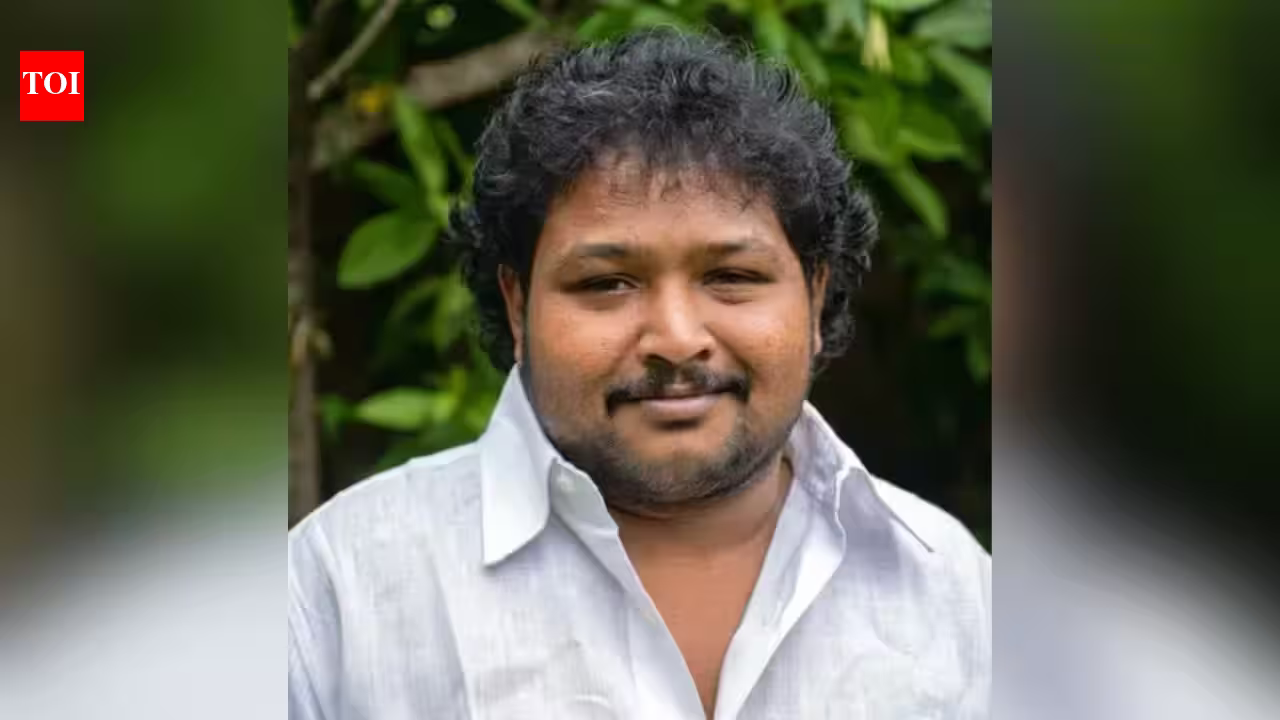








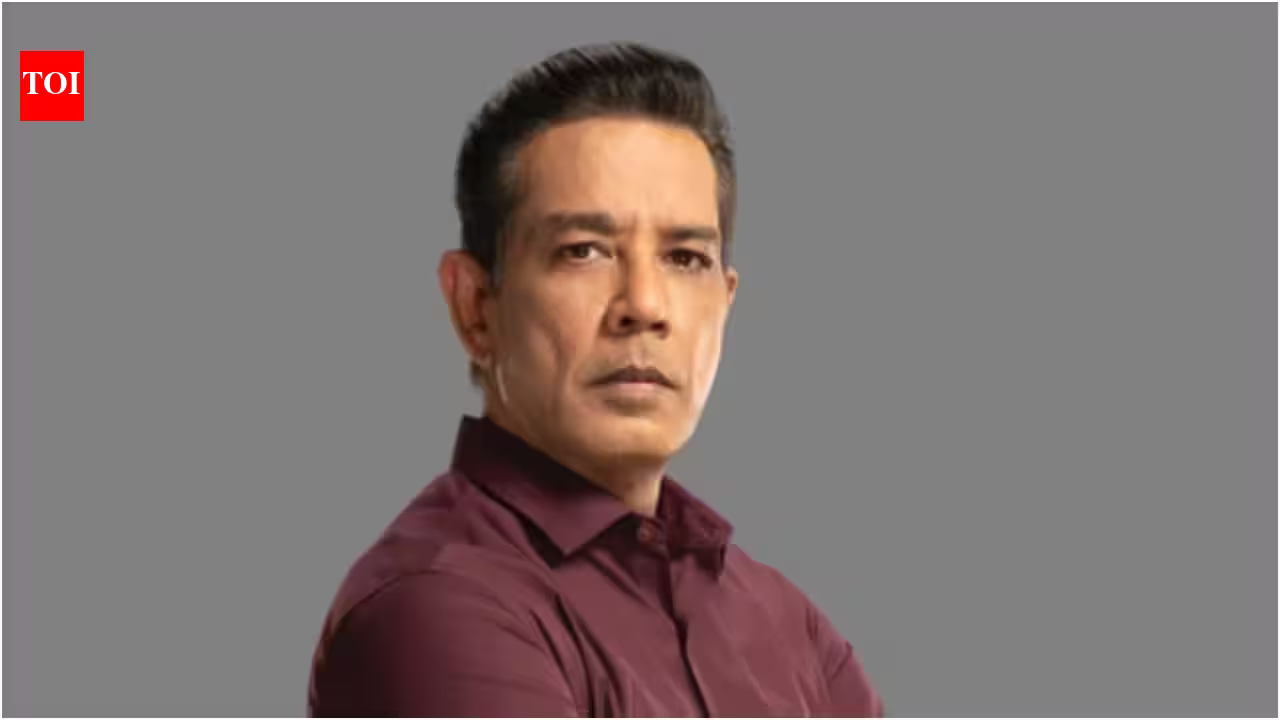
For years, Anup Soni was the face of justice—the steady, somber presence in a sharp suit guiding millions of viewers through the chilling reenactments of Crime Patrol. It was a role that made him a household name, a figure of authority etched into the collective consciousness of the Indian audience. But as any seasoned actor will tell you, success has a peculiar way of becoming a cage. When you become the face of a brand, the audience stops seeing the performer and starts seeing the persona.
Lately, however, Soni has been busy dismantling that pedestal. With recent turns in Shaque and The Vvaan, the actor is proving that there is life—and a great deal of nuance—beyond the studio lights of his most famous anchoring gig. In a candid conversation, Soni opens up about the struggle to be seen as an actor rather than an icon, the hidden gems of his filmography, and why he refuses to play the elitist game when it comes to the medium of television.
The Quiet Pain of Being Overlooked
For a performer, the reward isn’t always the paycheck or the trending hashtags; it’s the sense that the work landed where it was supposed to. Soni is refreshingly honest about the psychological toll of a project failing to find its audience. When asked if public recognition acts as a form of validation, he doesn’t mince words.
“For any actor, I think appreciation matters a lot,” he admits. “There is absolute disappointment when you know you have done a good job, but it goes unnoticed.” It is a sentiment that cuts through the glamour of the industry. Behind every performance is months of preparation, internal mapping, and emotional labor. When the audience doesn’t tune in, it feels less like a business failure and more like a personal rejection.
He points to Saas Bahu Achaar Private Limited as a prime example of this professional heartbreak. Despite a cast that delivered across-the-board excellence and a performance he stands by, the series failed to make the cultural splash it perhaps deserved. For an actor as self-critical as Soni—who admits he is his own harshest reviewer, constantly spotting flaws in his own work—seeing a solid performance vanish into the abyss of a streaming catalog is a bitter pill to swallow.
The Long Shadow of ‘Crime Patrol’
There is a duality to Anup Soni’s relationship with Crime Patrol. He describes it as his “baby,” an entity he owns and cherishes, acknowledging that the years he spent anchoring the show were transformative. Yet, that same professional commitment became a double-edged sword. To play the anchor for years is to become a fixture, and casting directors, in their desire for efficiency, often struggle to see past the persona.
“I have received immense love for Crime Patrol, and I still get a lot of love,” he notes. “But when I wanted to work as an actor, I also received feedback that my image was very strong.”
The “strong image” problem is a well-documented phenomenon in Indian entertainment, where the line between the actor and the character is often blurred by the audience. For Soni, the solution wasn’t to distance himself from the work that made him famous, but to exhibit extreme patience. He realized that the only way to silence the typecasting was to simply show up in spaces where people didn’t expect him to be.
Strategic Reinvention: Breaking the Box
The turning point for Soni didn’t happen overnight; it was a series of tactical decisions to disrupt his own public narrative. He recalls the casting process for Class of ‘83. While he was initially in the running for the lead role—ultimately played by Bobby Deol—he was offered a gritty, grey-shaded character of a minister instead.
It was a gamble. It would have been easy to hold out for a lead, but Soni saw the utility in the shift. “I thought I should do it. People had not seen me in that space. This was a way to tell them not to put me in a box,” he says. That choice acted as a catalyst. Following that, his work in Tandav and the subsequent shift in perception after Saare Jahan Se Achha solidified his position as a performer who could handle complex, morally ambiguous roles. He wasn’t just the man in the suit talking to the camera; he was a man capable of slipping into the skin of the flawed and the formidable.
The Ethics of the Craft: Why Television Matters
One of the most refreshing aspects of Soni’s philosophy is his staunch defense of television as a medium. In an industry that often fetishizes the “cinematic” and looks down on the “small screen,” Soni remains grounded.
“As an actor, I don’t have any right to say that this medium is bad,” he asserts. His logic is sound: if an actor is not a fan of the work or the platform, they have the agency to turn it down. But to accept the work and then proceed to look down on it is a level of hypocrisy he refuses to participate in.
“Why would I put that medium down? Why would I demean it?” he asks. It’s a powerful stance in an era where actors frequently distance themselves from their television roots the moment they secure a web series or a film role. For Soni, the medium is merely the delivery system; the craft remains the same. Whether it’s a daily soap, a crime reenactment, or a high-budget political thriller, his approach remains consistent: he is there to do the work, and he expects that work to be treated with respect.
At the end of the day, Anup Soni is a survivor. He has managed to evolve from a ubiquitous television face into a respected character actor, navigating the fickle tides of fame with a level head and a clear perspective. He is no longer just looking for the next big role; he is looking for the next challenge that proves exactly why he’s more than the image we thought we knew. And if his recent trajectory is any indicator, the best of his work is likely still to come.
Disclaimer: This content is auto-generated for informational purposes only.
Source: Read Original News