








Last-Minute Deal Averts US-Canada Trade War, Tariffs on Hold
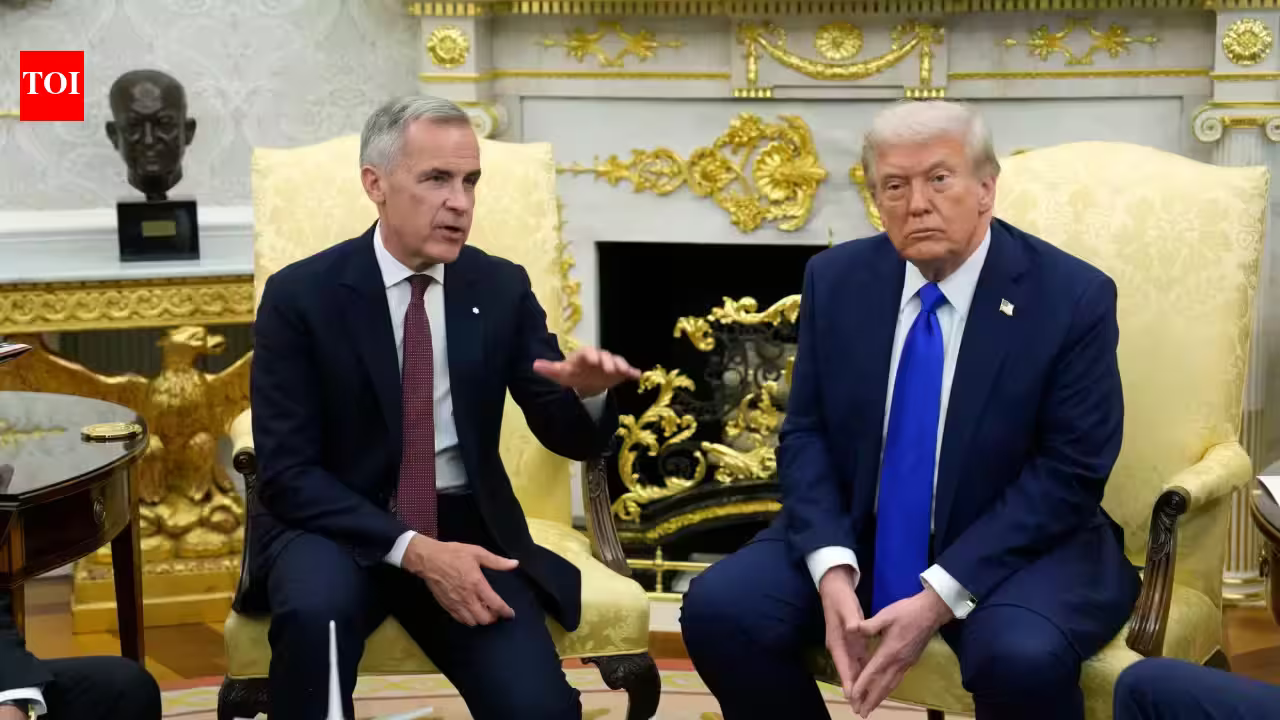
WASHINGTON D.C. & OTTAWA – A last-minute breakthrough Tuesday night saw the United States and Canada reach an agreement to temporarily halt President Donald Trump’s planned 50% tariffs on a staggering $20 billion worth of Canadian imports. The eleventh-hour deal provides a crucial three-day reprieve, allowing both nations to continue negotiations aimed at a broader and more comprehensive trade agreement.
President Trump, who had been poised to implement the hefty tariffs from 12:01 AM, announced the pause on social media, declaring a "DEAL" had been struck. This announcement followed intense, last-minute talks between the two North American allies.
"I have paused the 50% Tariffs against Canada, that were scheduled to kick in tomorrow morning for a three day period, based on the fact that Canada and the USA, subject to the finalization of documents, have a DEAL! The great Keystone XL Pipeline, long ago killed by Sleepy Joe Biden, may be awoken from the grave!" Trump stated on Truth Social, hinting at potential ancillary benefits from the agreement, including a revival of the controversial Keystone XL pipeline project.
Had they gone into effect, the proposed tariffs would have impacted approximately 5% of Canada’s total exports to the United States. A wide array of Canadian goods, from essential items like tongue depressors to iconic products such as hockey sticks, faced the prospect of significantly higher costs. In anticipation of the tariffs, Canada had already signaled its intent to retaliate, threatening to escalate what was becoming a rapidly deteriorating trade relationship between two of the world’s most interconnected trading partners.
This recent trade dispute emerges against a backdrop of already strained relations between the US and Canada under the Trump administration, marked by the former President’s repeated musings about incorporating Canada as the 51st US state. The economic ties between the two countries are immense; last year alone, they exchanged an estimated $880 billion in goods and services. Daily, nearly 330,000 individuals and $2 billion worth of goods traverse their shared border, underscoring the deep interdependence that characterizes their economic landscape.
Canada, in particular, stands vulnerable to any disruption in trade with its southern neighbor. A staggering 72% of its goods exports were destined for the US last year. Conversely, Washington also faced potential economic fallout, as US importers would likely pass on the increased tariff costs to American consumers, leading to higher prices across various sectors.
What Was At Stake
The proposed tariffs were rooted in Section 338 of the US Tariff Act of 1930, a provision never before utilized by a US President. Trump had invoked this rarely used legal avenue to impose tariffs of up to 50% on Canadian goods, alleging that Ottawa was unfairly discriminating against US exports, specifically singling out products such as automobiles, alcoholic beverages, and cheese.
Beyond the immediate tariff threat, the US agenda for negotiations also included demands for increased Canadian procurement of American military equipment, greater participation in its "Golden Dome" missile defense system, and enhanced access to critical minerals. On its part, Ottawa is seeking relief from existing US tariffs that currently impact Canadian steel, aluminum, and softwood lumber industries.
These complex trade discussions are occurring concurrently with broader negotiations concerning the US-Mexico-Canada Agreement (USMCA), the foundational North American trade pact that governs commerce among the three nations. The outcome of the current negotiations will not only determine the immediate fate of the tariffs but also significantly influence the future trajectory of the vital US-Canada trade relationship.