







Pakistan Slams Indian ‘Operation Sindoor’ Documentary as "Tragedy and Comedy," Accusing India of Manufacturing Propaganda
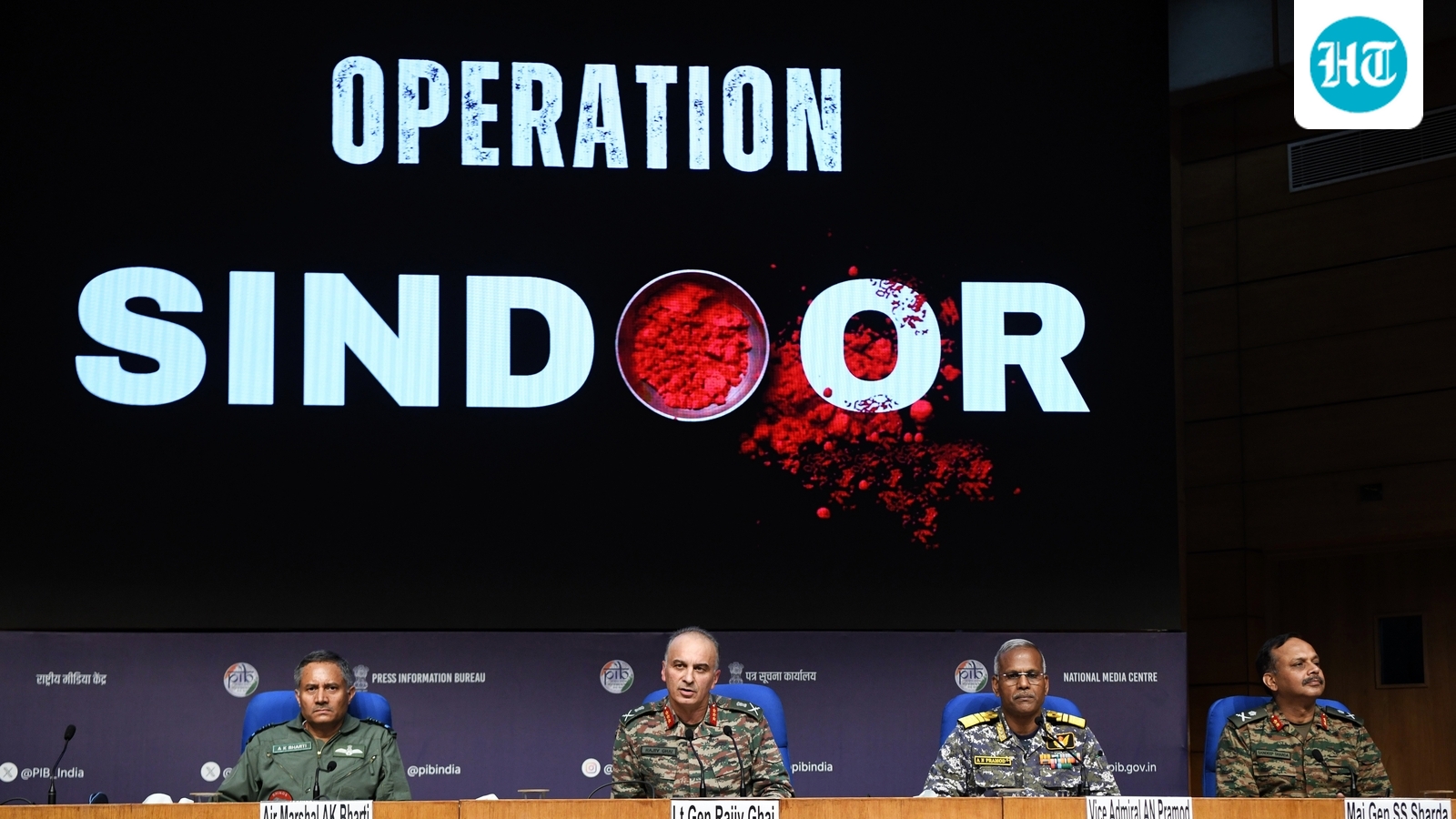
ISLAMABAD/NEW DELHI – A recent Discovery docuseries, "Declassified: Operation Sindoor," focusing on India’s retaliatory military action, Operation Sindoor, has ignited a fierce diplomatic and rhetorical firestorm between India and Pakistan. Pakistan’s armed forces spokesperson, Lieutenant General Ahmed Sharif, launched a scathing late-night attack on the documentary, branding it a "tragedy and a comedy" and accusing India of a "belated attempt to manufacture a domestically palatable version of events."
The documentary, which premiered on August 15, features prominent figures such as Indian National Security Advisor Ajit Doval and officers who were at the forefront of the operation. It details Operation Sindoor, launched in the early hours of May 7 last year, as a response to the devastating April 22 terror attack in Baisaran, often referred to as ‘mini Switzerland.’ The attack, which claimed the lives of 26 tourists, including one Nepali citizen, was attributed to The Resistance Force (TRF), an offshoot of the Pakistan-based Lashkar-e-Taiba. This incident was the deadliest strike in the Valley since the 2019 Pulwama attack and tragically coincided with US Vice-President JD Vance’s visit to New Delhi.
In a series of posts on X (formerly Twitter) in the early hours of Tuesday, Lieutenant General Sharif alleged that the documentary, despite featuring top Indian leadership, "lacks nuance and seriousness." He specifically criticized the use of "selectively edited interviews, emotional narration and cinematic Bollywood style reconstruction" to "alter established facts and rewrite the operational outcome." Sharif contended that the documentary’s account contains "fundamental contradictions," exposing an effort to create a narrative favorable to India domestically.
Sharif did not mince words, asserting that "India has not declassified the truth. It has cobbled together a propaganda video to project a military blunder as a successful endeavour." He vehemently stated, "No amount of cinematic reconstruction can change the chronology, erase aircraft losses, conceal military casualties, alter the military engagements that actually took place or convert a battlefield defeat into a self-proclaimed victory."
Referring to the four-day conflict with India last year, which Islamabad refers to as ‘Marka-e-Haq,’ the top Pakistani officer accused India of refusing to "face the harsh reality" and choosing instead to "colour history in her preferred hues."
Pakistan, according to Sharif, has no need to fabricate a narrative surrounding Marka-e-Haq. He emphasized, "The operational record, battlefield evidence, diplomatic exchanges and India’s own subsequent statements speak for themselves and are widely acknowledged by international community." He reiterated that Indian "content creators have produced a highly dramatised, coloured and factually inaccurate account of so-called Operation Sindoor, packaged as a documentary featuring senior political and military leadership of India."
Concluding his stern message, Lieutenant General Sharif affirmed Pakistan’s commitment to regional peace and stability. However, he issued a stark warning: "At the same time, the Armed Forces of Pakistan remain fully prepared and capable of defending the country’s sovereignty, territorial integrity and national interests. Any future military misadventure will be met with a firm, decisive and disproportionate response, after which no amount of cinematic perjury will be able to provide any face-saving to India."
The Pakistani military’s strong reaction underscores the deep-seated tensions and competing narratives surrounding past conflicts between the two nuclear-armed neighbors, highlighting how even media productions can become flashpoints in their ongoing diplomatic and political rivalry.