





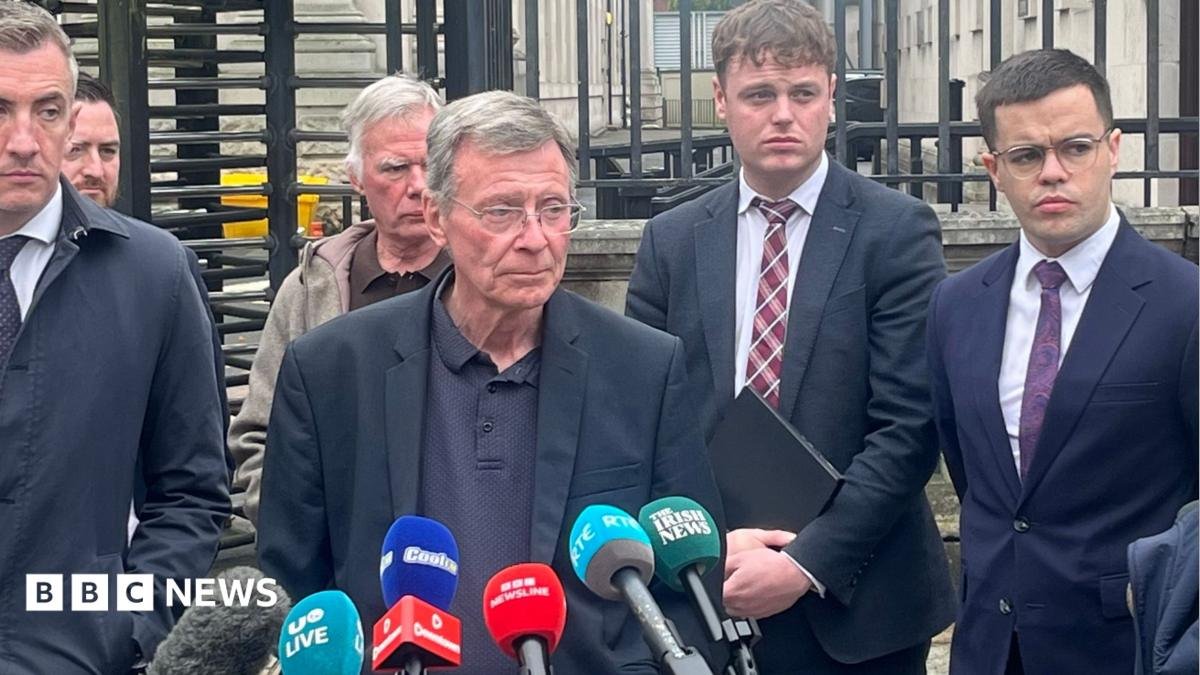
TENSIONS FLARE AT GARVAGHY ROAD AS DRUMCREE STAND-OFF REACHES NEW IMPASSE
PORTADOWN – A decades-long flashpoint in Northern Ireland’s sectarian history was reignited this week, as the bitter dispute over the Drumcree parade reached a critical juncture. The stand-off, which originated in the mid-1990s and once threatened to derail the fragile peace process, has returned to the forefront of political life following a dramatic intervention by the British government.
The conflict centers on the Orange Order’s long-standing demand to march down the nationalist-inhabited Garvaghy Road. For nearly 30 years, the route has been the site of intense civil unrest, characterized by violent riots, road blockades, and, at the height of the turmoil, targeted murders.
The roots of the current crisis date back to July 1995, when police first blocked the Orange Order from completing its route. That tense confrontation set a pattern of yearly stand-offs that eventually led to the formation of the Parades Commission in 1998, tasked with regulating marches to defuse tensions. However, the commission’s subsequent decision to prohibit the parade became a permanent grievance for the Order, leading to three decades of legal challenges and failed negotiations.
The situation escalated last month when the Parades Commission, acting on a court ruling that overturned a previous ban, authorized a march for September 27 with specific restrictions. The authorization was met with immediate, organized resistance. On the morning of the proposed parade, a crowd of up to 1,000 demonstrators, including prominent nationalist politicians, formed a human blockade across the Garvaghy Road. The action successfully prevented the Orangemen from marching from Drumcree Church, a mile to the west.
Following that confrontation, the Orange Order made repeated attempts to assert their right to walk the route, only to be turned back by Police Service of Northern Ireland (PSNI) lines. Local residents, who have maintained a constant, watchful presence on the Garvaghy Road to prevent the parade, remained on site in anticipation of further attempts to march.
That vigil finally broke on Friday, following an eleventh-hour intervention by the Northern Ireland Secretary. Acting on formal advice from the PSNI Chief Constable, Sir Chris Bryant issued a direct order banning the parade indefinitely.
The decision has been met with frustration from unionist representatives, who view the ban as an infringement on traditional rights, while nationalist residents have expressed relief, hoping that the move will finally bring a sense of stability to the area.
As police maintain a heavy presence along the contested route, the future of the Drumcree dispute remains as volatile as ever. Despite the official ban, the deep-seated grievances surrounding the march suggest that the struggle for the Garvaghy Road is far from resolved, leaving observers to wonder whether the peace process can continue to weather the ghosts of the past.
Disclaimer: This content is auto-generated for informational purposes only.
Source: Read Original News