






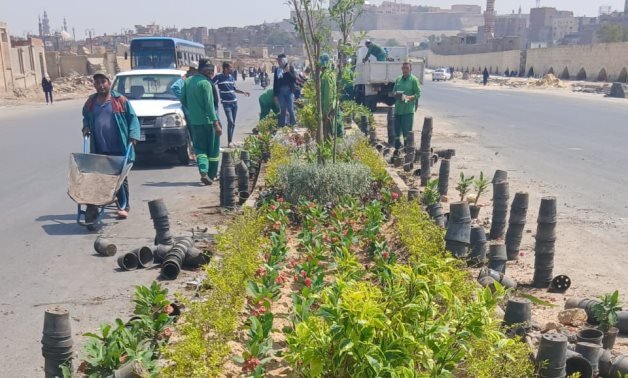
CAIRO – In a strategic move to bolster national environmental resilience and improve the urban landscape, Dr. Manal Awad, Minister of Local Development and Environment, has issued a directive to significantly accelerate tree-planting initiatives across all Egyptian governorates. The initiative is framed not merely as an aesthetic project, but as a fundamental public health and sustainability measure aimed at enhancing the quality of life for residents in both urban and residential zones.
Addressing the long-term viability of these efforts, Minister Awad emphasized that the success of the national greening strategy hinges on more than just the initial act of planting. She asserted that the true measure of impact lies in the systematic care, preservation, and ongoing monitoring of tree health to ensure a lasting environmental legacy. “The goal is to create a sustainable impact that transcends the ceremonial planting of trees,” the Minister noted, stressing that post-planting follow-up and maintenance are critical components of the government’s operational mandate.
Central to this vision is the concept of community-driven environmental stewardship. Minister Awad identified community participation as a “fundamental pillar” in supporting the state’s efforts to expand green spaces. By fostering a collaborative framework that links executive government bodies with citizens and civil society organizations, the Ministry aims to create a shared sense of responsibility for the local environment.
“Community participation is a key partner in our mission to expand green spaces,” Dr. Awad stated. She argued that when citizens are actively involved in the beautification of their own neighborhoods, it does more than improve the physical appearance of the streets; it cultivates a nationwide culture of environmental preservation. By encouraging individuals and local organizations to take ownership of their surroundings, the Ministry seeks to instill a deeper public commitment to protecting public resources.
The Ministry’s roadmap for this initiative also emphasizes technical precision. Dr. Awad underscored the necessity of adhering to rigorous technical specifications during the planting process. This includes selecting plant species that are well-suited to the specific conditions of Egyptian streets and ensuring that planting sites are chosen with careful consideration of their urban context. By aligning ecological choices with the unique environmental requirements of each area, the Ministry hopes to maximize survival rates for newly planted trees and ensure that the green infrastructure effectively contributes to urban cooling and air quality improvements.
This directive marks a significant step forward in the government’s broader strategy to combat urbanization challenges through nature-based solutions. As Egypt continues to witness rapid urban expansion, the integration of greenery into the fabric of the country’s governorates has become an essential strategy for mitigating the effects of climate change and reducing the urban heat island effect.
The Ministry of Local Development and Environment is expected to facilitate further partnerships with NGOs and grassroots movements in the coming months, providing the necessary resources and technical guidance to ensure that these tree-planting efforts remain consistent with the state’s vision. By bridging the gap between high-level policy and local execution, the Minister aims to transform residential areas into cleaner, healthier, and more aesthetically pleasing environments for all citizens.
As the project unfolds, the Ministry plans to maintain a strict monitoring schedule, evaluating the progress of growth and the success of localized initiatives to ensure that every tree planted serves its intended environmental purpose for years to come.
Disclaimer: This content is auto-generated for informational purposes only.
Source: Read Original News