








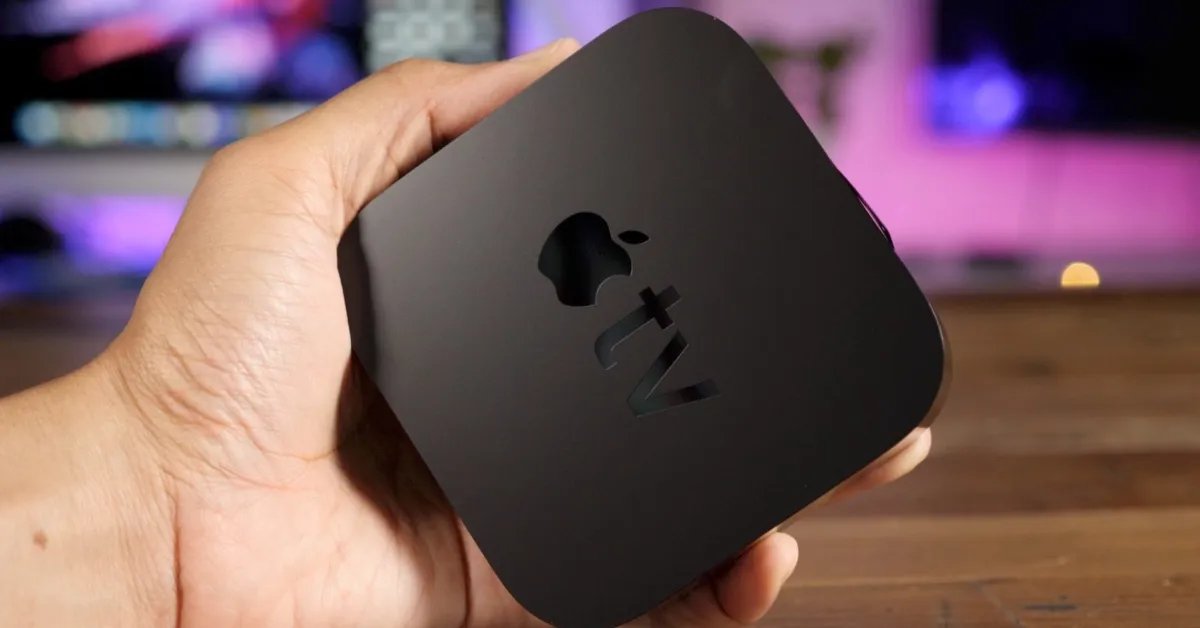
The landscape of home entertainment hardware is set for a significant shift as Apple prepares to unveil the latest iteration of the Apple TV 4K at its upcoming “Welcome Home” event. Following a four-year hiatus since the last hardware refresh, the streaming device is expected to receive a robust set of architectural and functional improvements. These updates aim to position the device as a more central, intelligent hub for the smart home environment, moving beyond simple media playback.
Advancements in Processing Power
At the heart of the rumored hardware overhaul is the transition to the A19 chip. The current generation of Apple TV 4K utilizes the A15 Bionic, which has proven more than capable of handling high-bitrate 4K HDR streaming and complex interface transitions. However, the move to the A19 architecture is a strategic necessity for the integration of more advanced machine learning tasks. This newer silicon is expected to deliver a significant boost in both CPU and GPU throughput, ensuring that the system remains responsive even when managing complex background processes or high-fidelity gaming applications. This upgrade is foundational, as it provides the necessary overhead for localized artificial intelligence processing, which remains a primary focus for Apple’s current software trajectory.
The Integration of Siri AI
Perhaps the most transformative aspect of the new hardware is the deep integration of Siri AI. By leveraging the superior computational capabilities of the A19 chip, the device will move toward a more context-aware interface. Unlike previous iterations that relied on basic voice-to-text commands for media searching, the new Siri AI is expected to manage multi-step requests and provide more natural interaction with content libraries. This shift signals a broader effort to make the Apple TV a smart display-like interface for the living room, allowing users to query information, control household automation, and manage calendar events with more linguistic nuance.
Hardware-Level Interaction Improvements
A notable design change involves the inclusion of a built-in microphone array within the Apple TV box itself. This modification fundamentally alters how users interact with the television. By allowing for far-field voice recognition, the device begins to mimic the functionality of a dedicated smart speaker, such as the HomePod. This eliminates the requirement to locate and activate the physical Siri Remote to issue a command. When combined with the rumor of an updated Siri Remote featuring an integrated speaker, this functionality creates a secondary benefit: the potential for a “Find My” implementation. In this scenario, users could ask the stationary device to locate their remote by emitting an audible ping, addressing one of the most persistent frustrations of modern streaming hardware.
Wireless Connectivity and the N1 Chip
Beyond core processing and interface improvements, the rumored inclusion of the N1 wireless chip suggests a focus on the broader Apple ecosystem. The N1 chip is anticipated to enhance connectivity, potentially improving the reliability of protocols like AirDrop and Handoff between the TV and mobile devices. In a home theater context, this likely translates to more stable and faster pairing with peripheral devices, such as wireless speakers or gaming controllers. Furthermore, a dedicated wireless chip can offload network traffic and synchronization tasks from the main A19 processor, contributing to better thermal performance and lower latency in high-bandwidth applications, such as high-frame-rate gaming or screen mirroring.
Impact on the Modern Smart Home
The culmination of these hardware updates points to a clear, singular goal: the Apple TV 4K is being repositioned as the primary gateway for smart home management. As Apple continues to expand its footprint in automated home control, the television serves as a natural focal point for displaying camera feeds, managing climate sensors, and interacting with intelligent lighting. By consolidating localized AI, sensitive voice input, and sophisticated networking hardware, the device aims to reduce reliance on cloud-based processing. This enhances both the privacy and the execution speed of routine home automation tasks. For consumers, this signifies that the Apple TV is no longer merely a content delivery system, but an essential infrastructure component for the connected residence. As the official event approaches, the industry anticipates a device that bridges the gap between passive consumption and active, voice-driven home management.
Disclaimer: This content is auto-generated for informational purposes only.
Source: Read Original News