







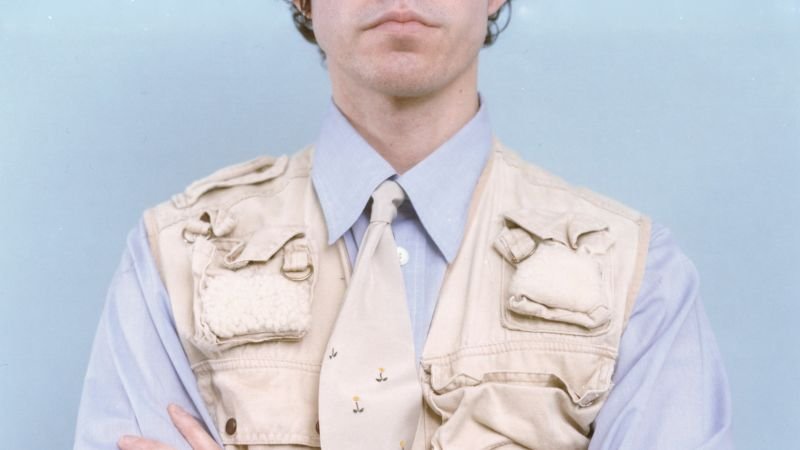
The Persistent Influence of Industrial Heritage
The modern workplace has undergone a seismic shift, yet the attire of the average professional remains rooted in a century of industrial legacy. While the American labor force has transitioned significantly from manual labor—mining, manufacturing, and construction—to white-collar roles, the aesthetic of the 20th-century worker has never been more prevalent. From designer boutiques in Paris to the streets of New York, items such as the chore jacket, reinforced denim, and heavy-duty footwear remain permanent fixtures of contemporary fashion. This phenomenon is explored in depth in the upcoming book, “Blue Collar Modernism,” where menswear editor David Hellqvist chronicles the intersection of historical utility and modern style.
The durability and design of these garments were never meant to be mere fashion statements. The familiar copper rivets found on modern denim, for instance, were patented in 1873 specifically to prevent seams from tearing under the stress of heavy mining work. Similarly, the iconic waxed cotton jacket originated as protective gear for sailors and fishermen in 1894, while heavy-duty boots were often adapted directly from military requirements. These design choices were pure engineering solutions to environmental challenges, yet they have become foundational to the current global fashion economy.
From Utility to Anti-Fashion Statement
The transition of workwear from the factory floor to the mainstream began in the early 20th century, accelerated by artistic circles. Fashion historian Sonya Abrego notes that artists were among the first to adopt garments like coveralls and chore coats, not necessarily to set a trend, but to make an ideological statement. By wearing the clothes of the working class, these creatives were distancing themselves from the prevailing norms of bourgeois society.
The imagery of the mid-century artist, such as Jackson Pollock, solidified this link. Captured in photographs while kneeling on his canvas, Pollock’s attire—standard jeans and a chore coat—represented a fusion of functional movement and artistic labor. By the post-war era, the trend expanded globally. American soldiers, often equipped in denim by manufacturers like Levi’s, became inadvertent style icons. The subsequent rise of the American teenager in popular media transformed these utilitarian textiles into symbols of rebellion and democratic identity, famously leading to the temporary criminalization of blue jeans in certain regions of Eastern Europe during the late 1950s.
The Modern Appeal of Traditional Craftsmanship
As mass-produced, fast-fashion garments dominate the market, the sustained appeal of workwear may stem from a desire for perceived quality and authenticity. These clothes are built on a heritage of longevity—a stark contrast to the disposable nature of current retail trends. Beyond the tangible construction, the aesthetic serves as a connection to a form of labor that is increasingly absent from the daily lives of office workers.
For many, donning a piece of heritage workwear is an act of acknowledging a trade-based history. As Hellqvist suggests, there is an aspirational quality involved; individuals who spend their days in front of screens often find themselves drawn to the rugged, capable image of the traditional tradesman. It is a form of stylistic roleplay that allows the wearer to embody the resilience associated with those who build and fix the world’s infrastructure.
Next-Generation Labels and Functional Design
While legacy brands like Levi’s and Carhartt remain synonymous with the workwear aesthetic, a new generation of designers is expanding the definition. These modern labels often prioritize the ethos of functionality—thinking about how a garment moves and how a fabric performs—without necessarily designing for a specific, dangerous trade.
Japanese brand Auralee has gained significant traction for its meticulous approach to material selection, while Danish brand Mfpen has redefined the look by applying workwear sensibilities to relaxed, tailored suits constructed from deadstock fabrics. In the United Kingdom, brands like Fera are updating classic farmcore silhouettes. These designers are not necessarily attempting to solve the industrial problems that birthed these garments, but they are honoring the lineage by maintaining a focus on structural integrity and practical garment architecture.
The Rise of Industry-Driven Fashion
Some of the most successful contemporary workwear brands are those that maintain a direct connection to professional sectors. A prime example is Service Works, founded by Tom Chudley, a former restaurant worker. Driven by frustration with the synthetic, uncomfortable materials typically issued as staff uniforms, Chudley transitioned into producing high-quality cotton canvas chef trousers and trade jackets.
By prioritizing natural fibers and durable construction, Service Works successfully blurred the line between specialized equipment and casual wear. These garments are now common in professional kitchens, yet they maintain a robust following among fashion-conscious consumers who value the brand’s commitment to genuine work-driven utility. This highlights a broader trend: the movement is no longer just about the visual shorthand of the “workman,” but about a return to clothing that serves a concrete purpose.
Navigating the Irony of White-Collar Workwear
The juxtaposition of wearing clothes designed for sharecroppers or factory workers in a high-rise office environment is not lost on observers. Critics occasionally point to the irony of this appropriation, suggesting that the style has been commodified to the point of historical detachment. However, as Abrego notes, fashion is rarely a rigid display of one’s current occupation or geographical origin. Much like the adoption of cowboy boots in urban settings, the modern embrace of workwear is less about masquerading as a manual laborer and more about appreciating the timelessness of functional design. The lasting power of this style lies in its ability to adapt, proving that the most enduring innovations in clothing were never about fleeting trends, but about the fundamental necessity of a job well done.
Disclaimer: This content is auto-generated for informational purposes only.
Source: Read Original News