








The landscape of home entertainment has undergone a radical shift since the late 1990s. While streaming services now dominate how audiences consume media, the humble DVD player remains a fixture in the home theater market. Despite the ubiquity of smartphones and smart TVs, there is a sustained demand for physical media. Interestingly, purchasing a DVD player in 2026 is significantly more economical than it was at the dawn of the format, reflecting both the maturation of the technology and its transition from a premium luxury to an accessible commodity.
The Evolution of Pricing and Accessibility
When DVD technology first debuted in the late 1990s, it was marketed as a high-end replacement for the aging VHS format. Early adopters faced steep entry costs. For instance, in 1997, a Panasonic DVD player could carry a price tag as high as $749. When adjusted for inflation, that figure exceeds $1,500 in 2026 currency. This level of investment was reserved for dedicated enthusiasts eager to experience the superior visual clarity and digital audio that the format offered compared to analog tapes.
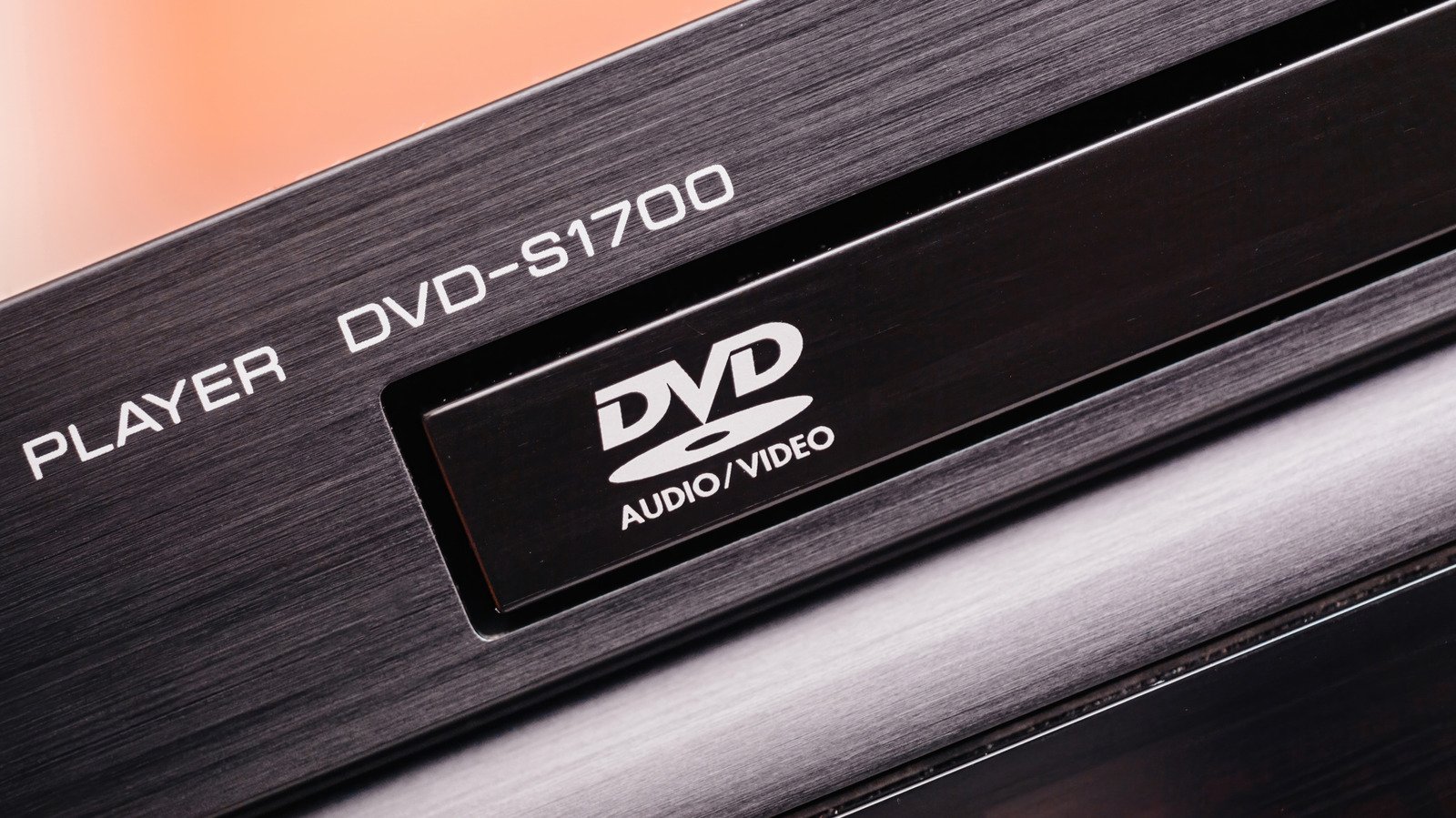
Today, the market reflects a different reality. Modern consumers can procure reliable units for under $100, and budget-friendly alternatives are frequently priced below $40. This precipitous drop in cost is a testament to the long-term optimization of manufacturing processes and the commoditization of optical disc hardware. Even as digital content becomes the default, the barrier to entry for building a physical library has effectively disappeared.
Technological Advancements in Signal Processing
The primary functional difference between the DVD players of the late 90s and those of 2026 lies in connectivity and signal output. Early models relied on composite RCA cables, which transmitted an analog signal prone to quality degradation. Current hardware has pivoted to HDMI connectivity, which allows for a purely digital signal path between the player and modern displays.
Perhaps the most significant advancement is the integration of upscaling technology. Many contemporary budget-friendly DVD players, such as the Philips PLD2000, feature internal processors capable of upscaling standard 480p DVD footage to 1080p resolution. While this does not reach the fidelity of native 4K or Blu-ray content, it provides a cleaner, sharper image that mitigates the blurriness often associated with playing legacy discs on high-definition flat-panel televisions.
The Legacy of Portable DVD Players
In the late 1990s, the concept of a portable DVD player was a major technical achievement. Devices like the 1998 Panasonic DVD-L10, branded as the “PalmTheater,” offered the ability to watch movies outside of the living room, albeit at a price point near $1,000. These units included integrated LCD screens, essentially serving as an early precursor to the tablet devices that now dominate mobile media consumption.
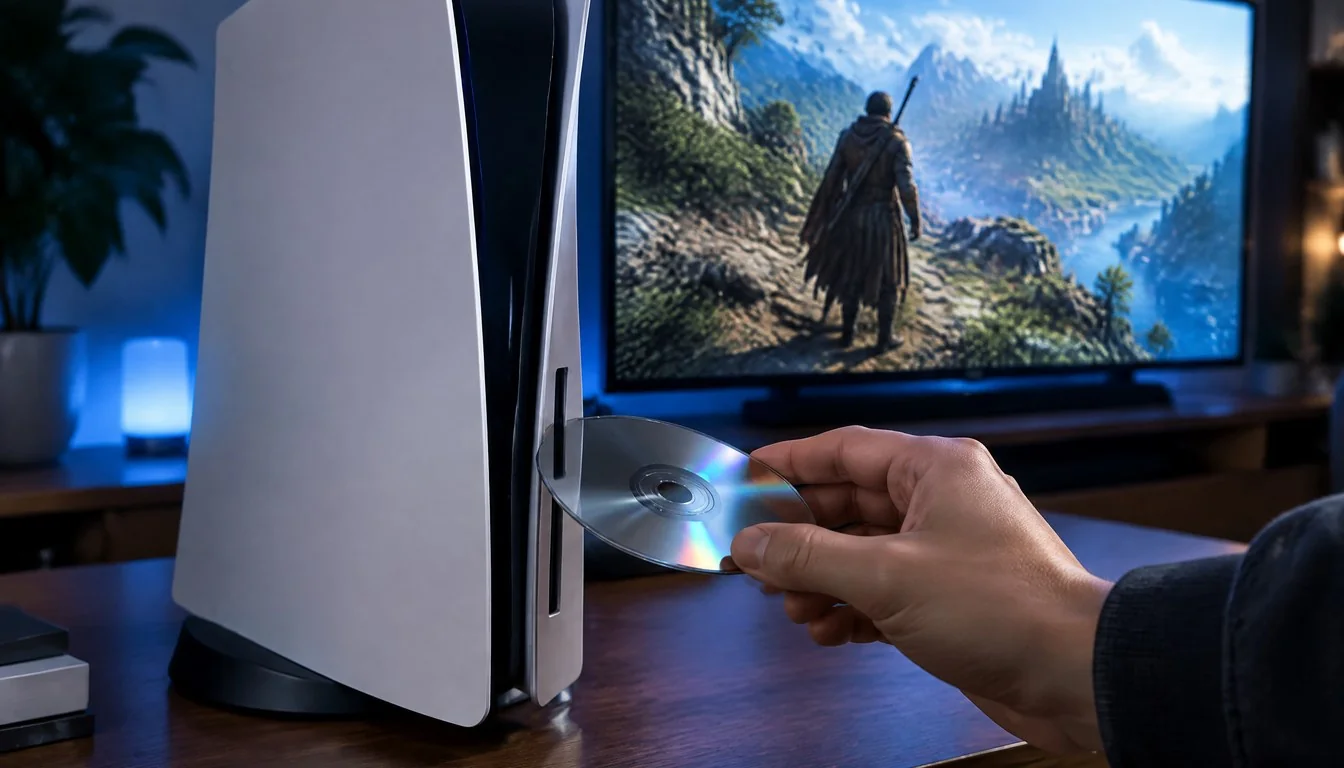
While dedicated portable DVD players are less common today, their influence persists in the design of modern hardware. The market for physical media playback has shifted into modular form factors, with many users now utilizing gaming consoles—such as the Sony PlayStation 5—as their primary disc-reading devices. These consoles provide dual functionality, supporting both modern gaming software and high-definition Blu-ray media, while maintaining backward compatibility with standard DVDs.
The Current State of the Hardware Market
The manufacturing landscape has consolidated over the last three decades. While household names like Sony, Panasonic, and Philips remain the most recognized entities in the space, they have largely transitioned away from DVD-only units toward combination Blu-ray and DVD players. This shift is crucial for consumers to recognize: while all Blu-ray players can read standard DVDs, the reverse is not true. A modern standalone DVD player will never be able to interpret the data density of a Blu-ray disc.
Beyond the major electronics conglomerates, a subset of smaller manufacturers, such as Megatek and Majority, has filled the demand for entry-level, region-free hardware. These devices are designed for specific user needs, such as playing discs from different international regions or providing a simple, plug-and-play solution for users who are not interested in the complexity of smart-enabled streaming boxes.
Conclusion: The Sustained Relevance of Optical Media
Owning a DVD player in 2026 is no longer about keeping up with the cutting edge; it is about preservation and reliability. Physical media collectors value the permanence of the format, which is not subject to the licensing changes or library removals common in the streaming ecosystem. With hardware prices at an all-time low and connectivity features optimized for modern televisions, the DVD player has successfully transitioned from an expensive, emerging tech novelty to a reliable, long-term tool for media consumption. Whether for legacy collections or simple, distraction-free viewing, the hardware remains as functional and accessible as ever.
Disclaimer: This content is auto-generated for informational purposes only.
Source: Read Original News