







Political Tensions Escalate in New Delhi Over Election Commission Reforms
Political turmoil has gripped the Indian capital as opposition legislators and their supporters launched a high-profile campaign demanding the immediate resignation of Chief Election Commissioner Gyanesh Kumar. The move follows months of simmering frustration regarding sweeping changes to the nation’s electoral rolls, which have seen over 130 million names removed from voter lists since last year.
The “Cockroach” Movement’s Growing Influence
The protests are being spearheaded by the “Cockroach” youth movement, an activist group that has recently gained significant political traction. Known for their confrontational style, the group was instrumental in organizing the mass demonstrations that eventually forced the resignation of Prime Minister Narendra Modi’s education minister this past July.
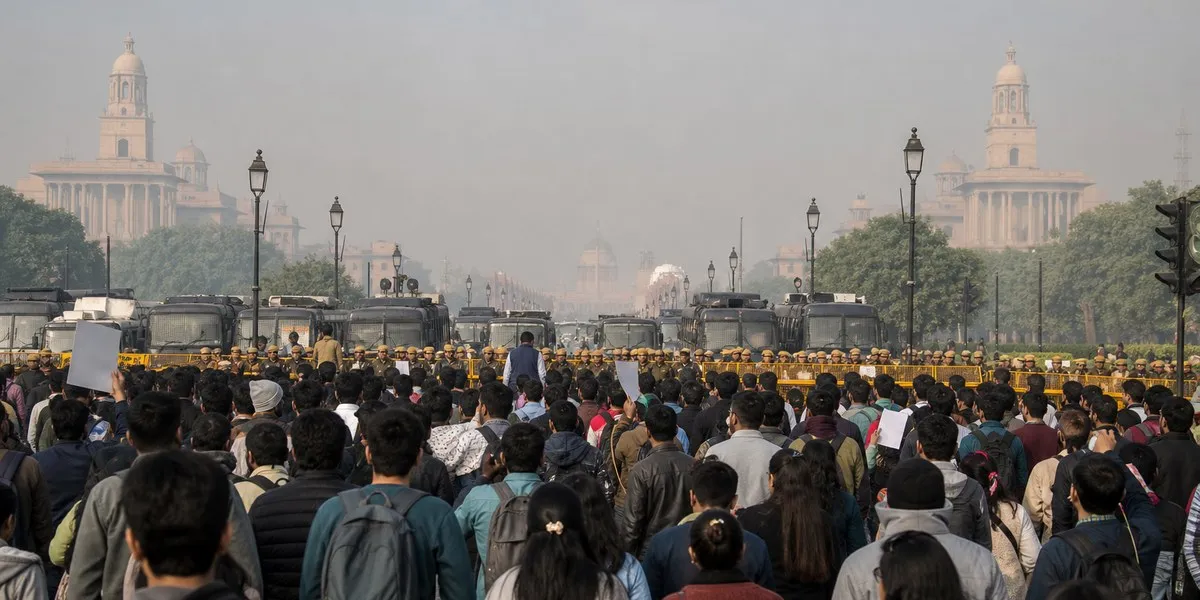
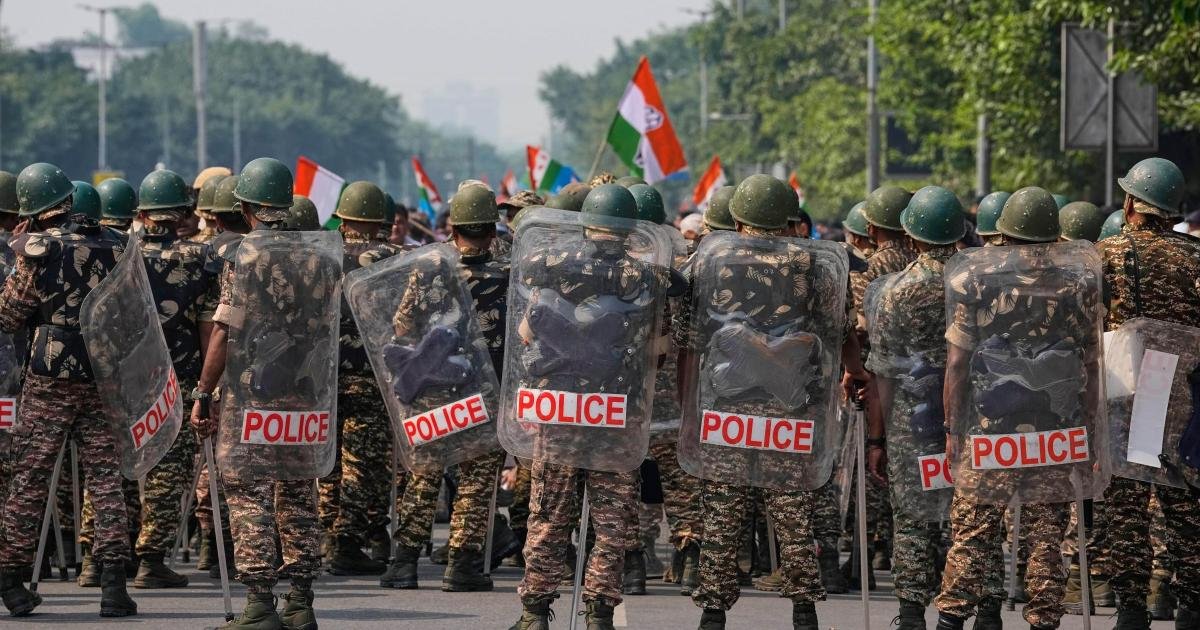
As the movement continues to mobilize, tensions reached a breaking point this weekend when police detained thousands of demonstrators across New Delhi. Despite the crackdown, opposition leaders have vowed to sustain the momentum. Senior Congress party figure Rahul Gandhi framed the ongoing struggle as an existential battle for the nation’s democratic framework. “We will not back down,” Gandhi stated during a press briefing on Monday, emphasizing the party’s commitment to defending the constitution against what they describe as systematic disenfranchisement.
Controversy Over Electoral Roll Revisions
At the heart of the standoff is the controversial revision process conducted by the Election Commission. Critics argue that the mass deletion of 130 million voters is a politically calculated effort to weaken the opposition’s reach. They warn that the process lacks transparency and risks stripping millions of eligible citizens of their right to participate in the democratic process.
Conversely, the Bharatiya Janata Party (BJP) and the Election Commission have staunchly defended the exercise. Officials maintain that the removal of these names is a technical necessity designed to purge duplicate entries and ineligible individuals from the database, thereby ensuring the integrity of upcoming polls. However, this justification has done little to placate those who view the move as a partisan tactic.
Capital Brought to a Standstill
The political heat spilled into the streets on Monday as authorities prepared for a march organized by the opposition. Anticipating widespread unrest, city officials ordered the closure of six metro stations in New Delhi and issued warnings to commuters about severe traffic disruptions across the city.
The government has largely remained unmoved by the escalating protests. While Prime Minister Modi has avoided making formal public statements regarding the unrest, members of his administration have dismissed the protesters as “anarchists,” framing the opposition’s actions as a disruption to public order rather than a legitimate grievance.
As both sides dig in, the demand for the Chief Election Commissioner’s resignation signals a deepening divide in Indian politics. With the youth-led “Cockroach” movement showing no signs of fatigue and the opposition fully backing their cause, the situation in the capital remains volatile, posing a significant challenge to the government’s narrative on electoral reform.
Disclaimer: This content is auto-generated for informational purposes only.
Source: Read Original News