








US-Iran Tensions Escalate as Rhetoric Heats Up Over Potential Talks
August 19, 2026 – A war of words has erupted between Washington and Tehran, deepening the diplomatic chasm between the two adversaries. While US President Donald Trump vehemently denies any plans for direct talks, Iran’s Foreign Minister Abbas Araghchi has publicly claimed the United States is "begging" for negotiations after its attempts to exert pressure on the Islamic Republic failed. This latest exchange underscores the volatile nature of US-Iran relations, with both sides maintaining staunch and seemingly irreconcilable positions.
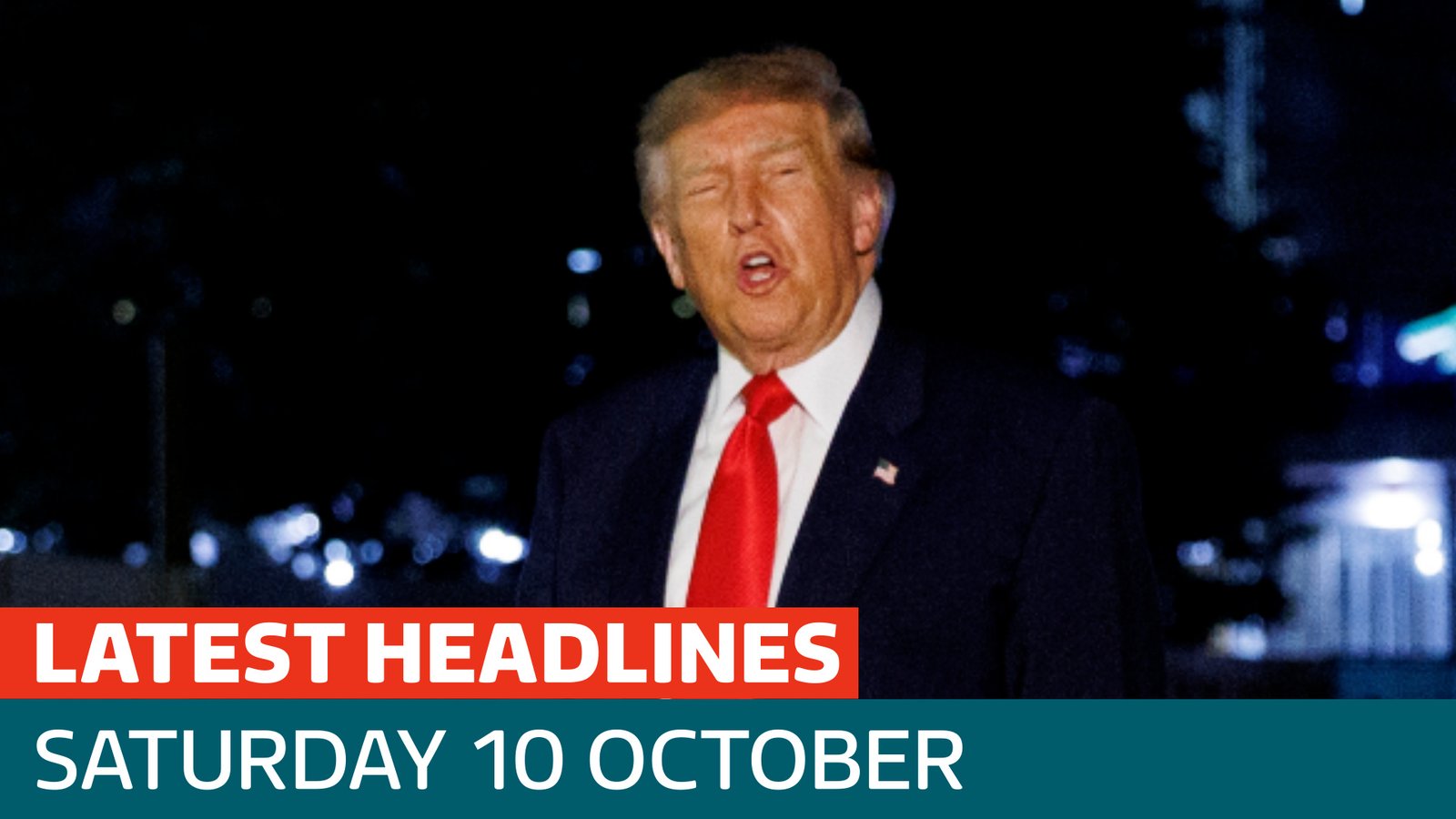
President Trump, in a statement from the White House, dismissed suggestions of impending discussions with Tehran. "There are no talks happening, nor are any scheduled," he declared, reiterating his administration’s firm stance against what it perceives as Iranian aggression and its nuclear program. This denial comes amidst ongoing international efforts to de-escalate tensions in the Gulf region, which have seen a series of incidents and heightened military postures.
However, Iranian Foreign Minister Abbas Araghchi painted a starkly different picture in an interview with state media. "Washington is begging to negotiate after failing to force Iran to surrender," Araghchi asserted, suggesting that the comprehensive sanctions imposed by the US and its "maximum pressure" campaign have not yielded the desired results. He implied that the US is now seeking a diplomatic off-ramp after its coercive tactics proved ineffective in bringing Iran to its knees.
The contrasting narratives highlight the deep mistrust and divergent interpretations of the current geopolitical landscape. The US maintains that its sanctions are designed to compel Iran to cease its nuclear enrichment activities, support for regional proxy groups, and ballistic missile development. Tehran, on the other hand, views the sanctions as economic warfare and an attempt to destabilize its government, refusing to negotiate under duress.
Analysts are closely watching this latest rhetorical clash for signs of either a potential breakthrough or further deterioration. Some speculate that Iran’s tough talk could be a ploy to gain leverage in any future negotiations, while others suggest that Trump’s firm denial is aimed at maintaining his tough-on-Iran image domestically.
The international community remains deeply concerned by the escalating tensions. Calls for de-escalation and diplomatic engagement continue from various world leaders, who fear that a miscalculation could trigger a broader conflict in the already volatile Middle East. The lack of direct communication channels and the conflicting public statements from both sides only serve to exacerbate the uncertainty.
As of August 19, 2026, the prospect of direct talks between the United States and Iran remains highly contentious, with both nations entrenched in their respective positions and exchanging accusations. The path forward appears fraught with challenges, and the world watches anxiously for any indication of a shift in this delicate diplomatic standoff.