









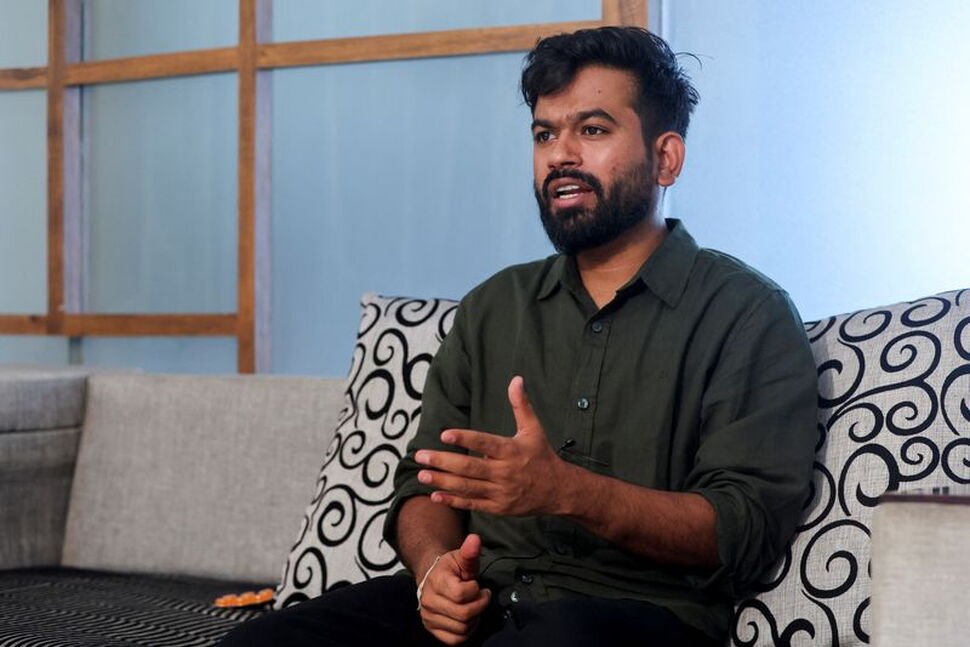
Leading Activist Abhijeet Dipke Released Following High-Profile Detention
NEW DELHI – Abhijeet Dipke, the prominent figurehead behind India’s unconventional “cockroach” protest movement, was released from custody on Sunday, according to legal representatives. Dipke, who has gained national attention for orchestrating unique demonstrations to highlight systemic grievances, was granted his freedom alongside two other senior members of the movement following a period of detention that had sparked widespread debate across the country.
The news of his release was confirmed via a statement posted on social media platform X by his legal counsel, bringing a temporary close to a saga that had placed the activist at the center of a tense standoff between grassroots organizers and state authorities.
The Origins of the “Cockroach” Movement
The “cockroach” protest movement, which emerged earlier this year, has utilized symbolic, often disruptive, tactics to draw attention to perceived administrative neglect and institutional decay. By adopting the metaphor of the cockroach—a creature often associated with resilience and survival in hostile environments—Dipke and his followers have sought to represent the struggles of the marginalized and the unheard.
While supporters have lauded the group for their creative approaches to civil disobedience, critics and local officials have frequently characterized their methods as provocative and disruptive to public order. The movement’s unconventional visual language and viral social media campaigns have resonated particularly well with urban youth, fueling concerns among authorities that the demonstrations could escalate into larger, more unmanageable displays of dissent.
A Strained Legal Battle
Dipke’s detention had become a rallying cry for civil rights advocates, who argued that his arrest was an attempt to stifle dissenting voices. For several days, the activist and his colleagues remained in administrative custody, fueling speculation regarding the long-term impact on the movement’s leadership structure.
Legal observers noted that the release suggests a lack of sufficient grounds for extended confinement under current public order statutes, though the specifics of the bail conditions—or any potential ongoing legal hurdles—remain strictly under wraps.
“The release of Dipke is a significant development, but the underlying tensions that birthed this movement remain unresolved,” said a political analyst monitoring the situation from New Delhi. “The government is clearly wary of the momentum he has generated, yet the courts are equally cognizant of the constitutional rights protecting peaceful, albeit disruptive, protest.”
Looking Ahead
As Dipke returns to the public sphere, the focus now shifts toward the future of the movement. Supporters are already mobilizing online, calling for a resumption of activities that characterize the struggle for accountability. Conversely, police and state agencies are expected to maintain a heightened presence around areas associated with the group’s prior demonstrations.
Whether the “cockroach” movement will pivot toward more traditional forms of lobbying or continue its trademark brand of symbolic rebellion remains to be seen. For now, the release of its leader marks a precarious turning point for a movement that has consistently challenged the status quo in the capital and beyond.
As of Sunday evening, there was no immediate comment from the Ministry of Home Affairs regarding the conditions of the release or the broader strategy for managing future demonstrations organized by Dipke’s coalition.
Disclaimer: This content is auto-generated for informational purposes only.
Source: Read Original News