








Escalating Tensions: Iran Threatens US Military Targets as Regional Crisis Deepens
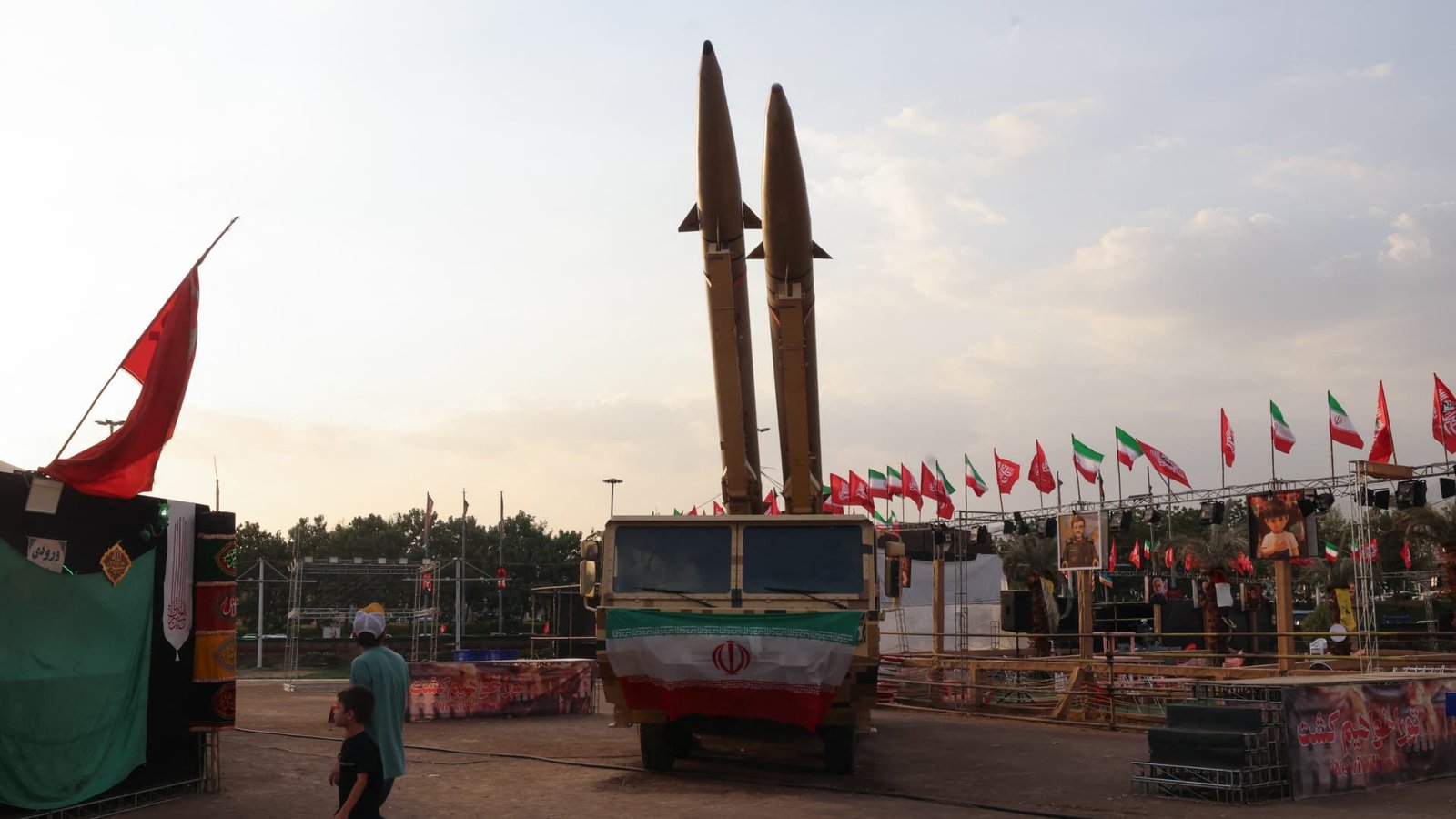
Washington D.C. & Tehran – [Date of publication] – The precarious standoff between the United States and Iran has reached a critical juncture, with reports emerging that Iran has considered attacking U.S. military assets in Europe should the conflict escalate. This alarming development comes amidst stalled peace negotiations, heightened regional friction, and a stern warning from the UAE, which has severed ties with Tehran following alleged missile threats.
According to a report by the Financial Times on Wednesday, citing two Iranian regime insiders, potential targets include U.S. assets stationed in Bulgaria and Cyprus. While CNBC has reached out to Iran’s Ministry of Foreign Affairs for comment and has not independently verified these claims, the revelation underscores the volatile nature of the ongoing dispute.
The prospect of direct attacks on U.S. military installations in Europe marks a significant and dangerous escalation in a conflict already characterized by a breakdown in diplomatic efforts. Negotiations between Washington and Tehran, aimed at de-escalating the situation, have effectively collapsed, with no immediate signs of resumption. This diplomatic void leaves both sides to contemplate their next moves in what has become a prolonged and increasingly perilous confrontation.
UAE Freezes Ties After Missile Threats
Further compounding the regional instability, the United Arab Emirates announced on Wednesday a halt to all "trade, commercial exchanges, and financial transactions" with Iran until further notice. This decisive action by the UAE follows Tuesday’s revelation by its Ministry of Defense that it detected two ballistic missiles launched from Iran towards its territorial waters. The incident highlights the growing apprehension among Gulf nations regarding Iranian military posturing and underscores the immediate regional impact of the broader U.S.-Iran conflict.
Trump Rules Out Talks and Ceasefire Extension
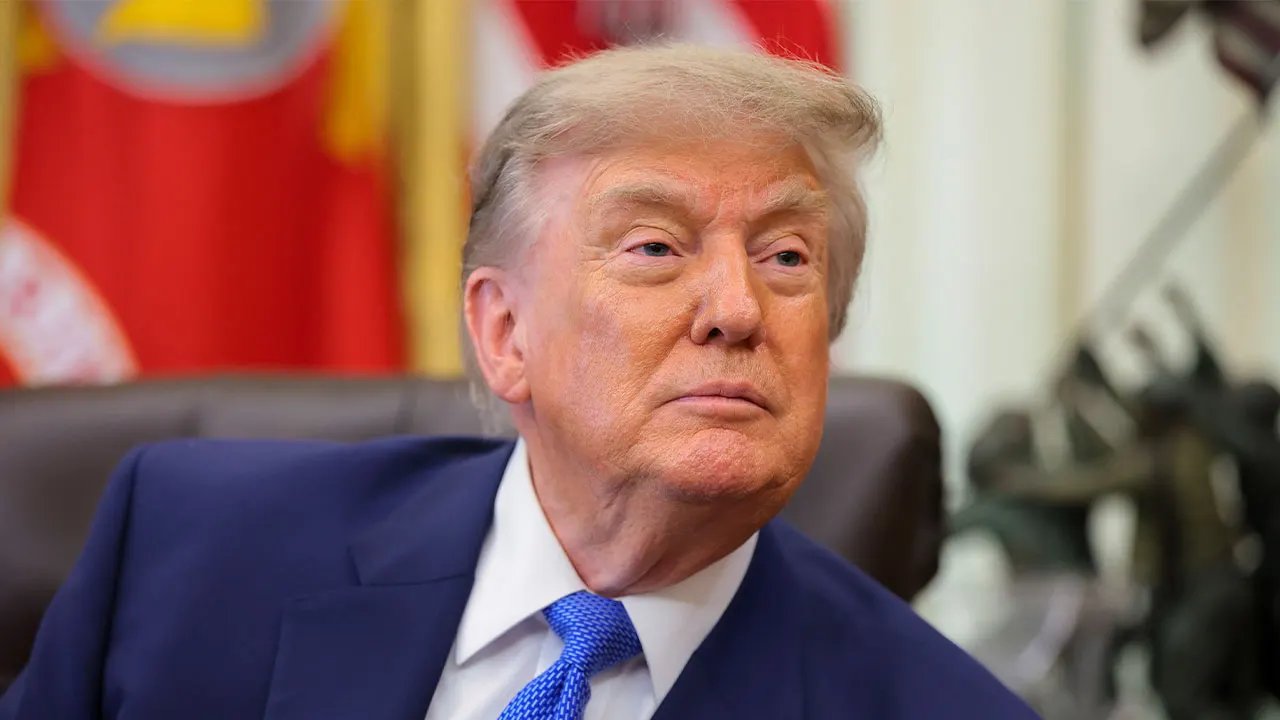
On the U.S. front, President Donald Trump on Tuesday emphatically stated that the U.S. is not currently engaged in any talks with Tehran and has no intentions of restarting them. He also confirmed that the 60-day ceasefire agreement, which expired on Monday, would not be extended, effectively signaling the end of any immediate diplomatic reprieve.
A central point of contention in the ongoing crisis remains the control and operability of the vital Strait of Hormuz. President Trump has repeatedly asserted that the crucial shipping waterway is open and operating under U.S. control. However, observed ship traffic through the passage continues to be extremely low, indicating significant disruption and concern within the maritime industry. The gravity of the situation was tragically underscored earlier this week when an attack on a cargo vessel transiting the strait resulted in one fatality.
Adding to the aggressive rhetoric, a Fox News report on Tuesday quoted an Iranian military spokesperson warning that ships attempting passage through the Strait of Hormuz would "find several beautiful holes in their hulls." This direct threat further exacerbates fears of military confrontation in one of the world’s most critical oil chokepoints.
Trump’s Broader International Posturing
President Trump’s recent verbal attacks have not been limited to Iran, extending to long-standing U.S. allies. On Monday, he threatened to "bomb the s— out of" Oman if the Gulf nation were to "get in the way" of U.S. objectives in the Middle East.
Furthermore, Trump ordered Defense Secretary Pete Hegseth to "substantially reduce" joint military drills with South Korea. He justified this decision by accusing Seoul of failing to adequately contribute to the U.S. military operation in Iran and by citing his friendly relations with North Korean leader Kim Jong Un, a move that has raised concerns about the stability of alliances in Asia.
The current geopolitical landscape suggests a rapidly deteriorating situation in the Middle East, with the threat of direct military confrontation looming larger than ever. As diplomatic avenues appear to close, the international community watches with bated breath for the next developments in this highly combustible regional crisis.
— CNBC’s Emma Graham and Spencer Kimball contributed to this story.