









Trump Administration Unveils ‘Economic D-Day’ Strategy to Isolate Iran
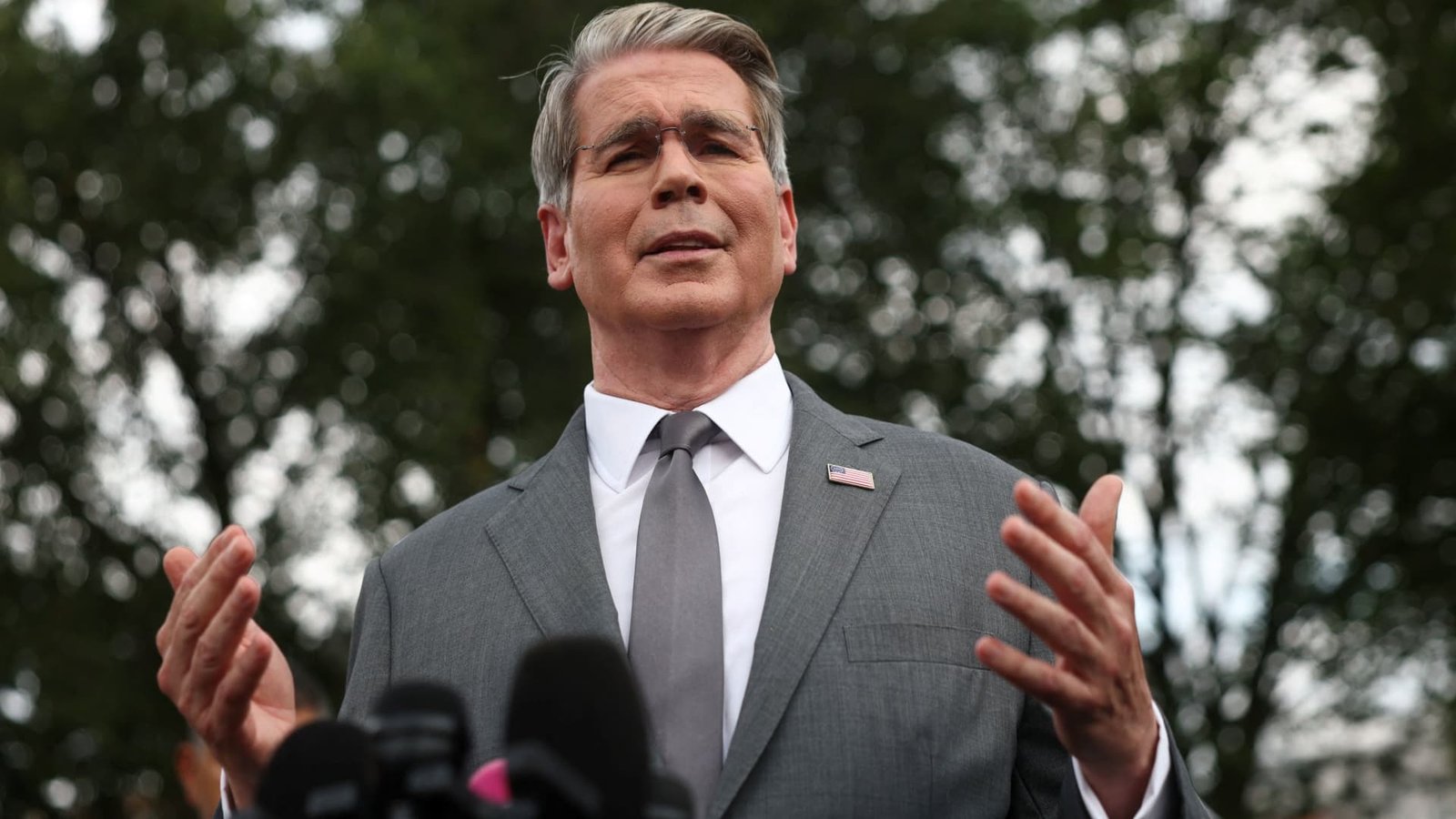
WASHINGTON — The Trump administration is preparing to intensify its campaign against Tehran by shifting from direct military engagement to a strategy of total economic strangulation, Treasury Secretary Scott Bessent announced Thursday.
In an exclusive interview with CNBC’s "Squawk on the Street," Bessent signaled that the White House believes an aggressive financial offensive will render the need for large-scale, kinetic military operations unnecessary.
"If we are doing the maximum economic pressure, then that means that likely there will not be a large-scale kinetic restart," Bessent said.
The move comes as the conflict enters its sixth month without a clear conclusion. President Donald Trump, taking to Truth Social on Wednesday, vowed to implement an "ECONOMIC D-DAY," warning that the United States would levy severe penalties against any nation that provides a "lifeline" to the Iranian regime.
A ‘With Us or Against Us’ Ultimatum
Bessent characterized the upcoming policy as the most comprehensive coordinated economic isolation effort in history. He noted that the Treasury Department intends to force a binary choice upon global allies: "You are either with us or against us."
"If you insist on doing business with [Iran], either transferring money, buying their oil or doing seaborne ship transfers, then the U.S. Treasury and the U.S. government… will put its full might and force toward enforcing against you," the Treasury Secretary warned.
Bessent promised to provide specific details regarding these enforcement mechanisms during a press conference scheduled for Monday, emphasizing that the objective is to "squash the economy of this murderous regime."
The ‘One-Two Punch’
The administration views its current strategy as a dual-pronged approach. According to Bessent, the new sanctions will work in tandem with the ongoing U.S. naval blockade of Iranian ports in the Gulf of Oman. "It is a one-two punch," he said. "We have the blockade, and we are going to have the toughest sanctions in history."
While the President has claimed that Tehran is "on the ropes" and "hanging by a thread," the geopolitical reality remains complex. Iran continues to maintain its capacity to disrupt the Strait of Hormuz, a critical global shipping artery that historically facilitated 20% of the world’s oil trade.
Recent regional developments have added further pressure on the regime; the United Arab Emirates announced on Wednesday that it would cease all trade with Iran following a series of ballistic missile strikes.
Experts Caution Against Optimism
Despite the administration’s confidence, some analysts remain wary of predicting an imminent collapse of the Iranian economy. While Iran has experienced significant GDP contraction and historic inflation, the regime has proven resilient under decades of various sanction regimes.
Tehran has responded to the latest threats with defiance. Iranian Foreign Minister Abbas Araghchi took to X to dismiss the administration’s rhetoric, stating, "Doubling down on failed policies will only bring further defeat—and enmity of Iranians."
As the administration prepares to implement its maximum economic pressure campaign, global markets are reacting with volatility, with oil prices climbing in response to the increased uncertainty in the region. Whether this "Economic D-Day" leads to a shift in Tehran’s behavior or simply deepens the existing stalemate remains the central question for the administration’s foreign policy agenda.