









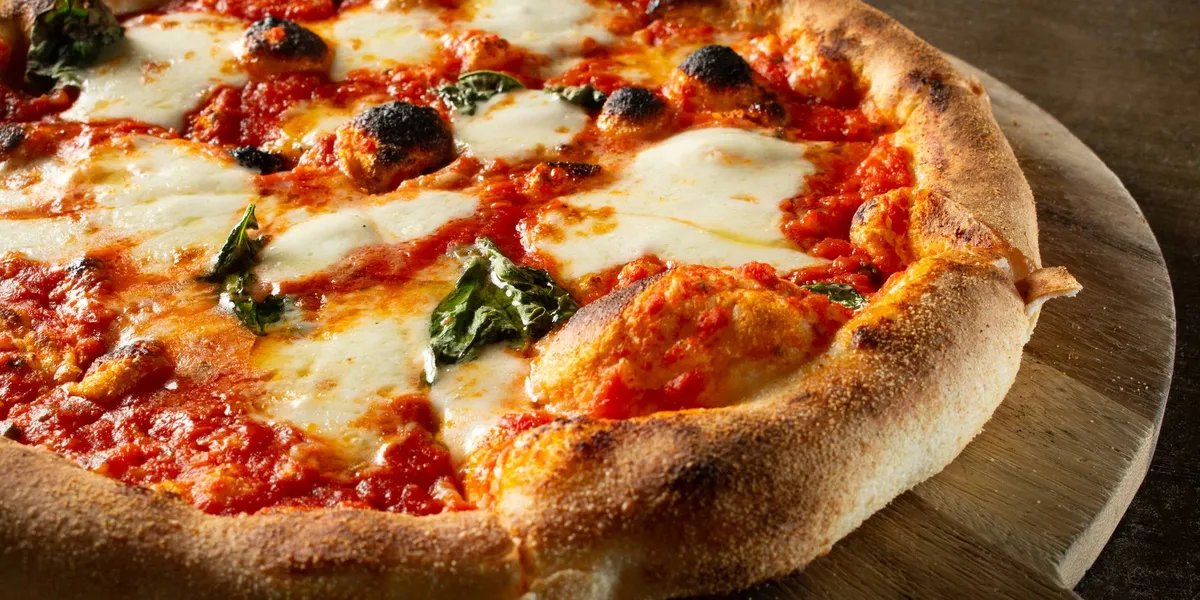
Alberta’s Pizzeria, a notable high-end dining establishment located on Western Avenue in Pittsburgh’s North Side, has seemingly shuttered its doors. The restaurant, which garnered attention upon its debut in 2024 for its upscale take on artisan pies, has ceased all operations without providing a formal explanation to the public or its patrons.
The silent closure serves as a stark reminder of the volatile nature of the modern hospitality industry, where digital visibility and algorithmic trends often dictate the lifespan of a business. As independent restaurants grapple with thin margins, many are turning to the same suite of digital tools—Google’s business ecosystem—that helped define Alberta’s initial market entry.
## The Digital Silence of an Offline Business
For modern diners, the first sign of trouble at Alberta’s Pizzeria was not a boarded-up window, but a digital disconnect. Prospective customers attempting to secure a table via the restaurant’s integrated reservation system found the platform unresponsive, while the online ordering portal displays a status message stating it is “currently not accepting orders.”
In the era of “near me” searches, a restaurant’s presence on Google Maps and Search is as critical as the quality of its sourdough crust. When a business goes dark, these platforms act as the primary source of truth for the local community. The sudden unavailability of reservation links and the lack of updated status on business profiles creates an “information vacuum.” This situation highlights a growing expectation for real-time data accuracy, where platforms like Google are constantly iterating on AI-driven updates to ensure that when a customer searches for a restaurant, they aren’t met with dead-end links or outdated information.
## Navigating the Tech-Driven Hospitality Landscape
The closure of an establishment like Alberta’s Pizzeria underscores the increasing reliance on integrated tech stacks. Today, high-end eateries are not just culinary operations; they are data-driven enterprises. From search engine optimization (SEO) that helps a North Side pizzeria rank for “best specialty pizza in Pittsburgh” to AI-powered sentiment analysis of customer reviews, the tech industry provides the infrastructure that allows businesses to scale and engage with local diners.
However, when a restaurant closes, the transition from “open” to “permanently closed” in global databases can be sluggish. This friction point is currently a major focus within the tech industry. Companies are aggressively deploying machine learning models to analyze web traffic, social media mentions, and user-generated reports to verify if a business is truly defunct. By automating this process, tech giants hope to minimize the frustration of travelers and locals who arrive at a destination only to find the doors locked.
## Data Transparency and the Future of Local Search
The lack of a formal announcement from Alberta’s Pizzeria management leaves both loyal customers and industry observers in the dark. In an age where transparency is a brand currency, the “quiet quitting” of a physical storefront poses challenges for the platforms that list them.
As Google and other search engines continue to prioritize high-intent, location-based information, they are moving toward more predictive models. These systems are designed to identify patterns—such as a sustained lack of inventory updates, broken reservation APIs, or a decline in active Google Business Profile activity—to flag businesses that may be in distress. For owners, this reinforces the reality that managing one’s digital footprint is no longer optional; it is a critical component of professional closure or transition.
While the story of Alberta’s Pizzeria remains an isolated incident in the Pittsburgh culinary scene, its silent exit illustrates the broader intersection of physical commerce and digital reliability. As the culinary world leans further into AI-assisted ordering and cloud-based management systems, the ability for a business to signal its status accurately has become just as essential as the food on the menu. For now, the North Side storefront remains silent, marking the end of a short-lived chapter in the city’s modern dining history.
Disclaimer: This content is auto-generated for informational purposes only.
Source: Read Original News