






India Eyes Strategic Partnership with France to Develop Next-Generation Combat Aircraft
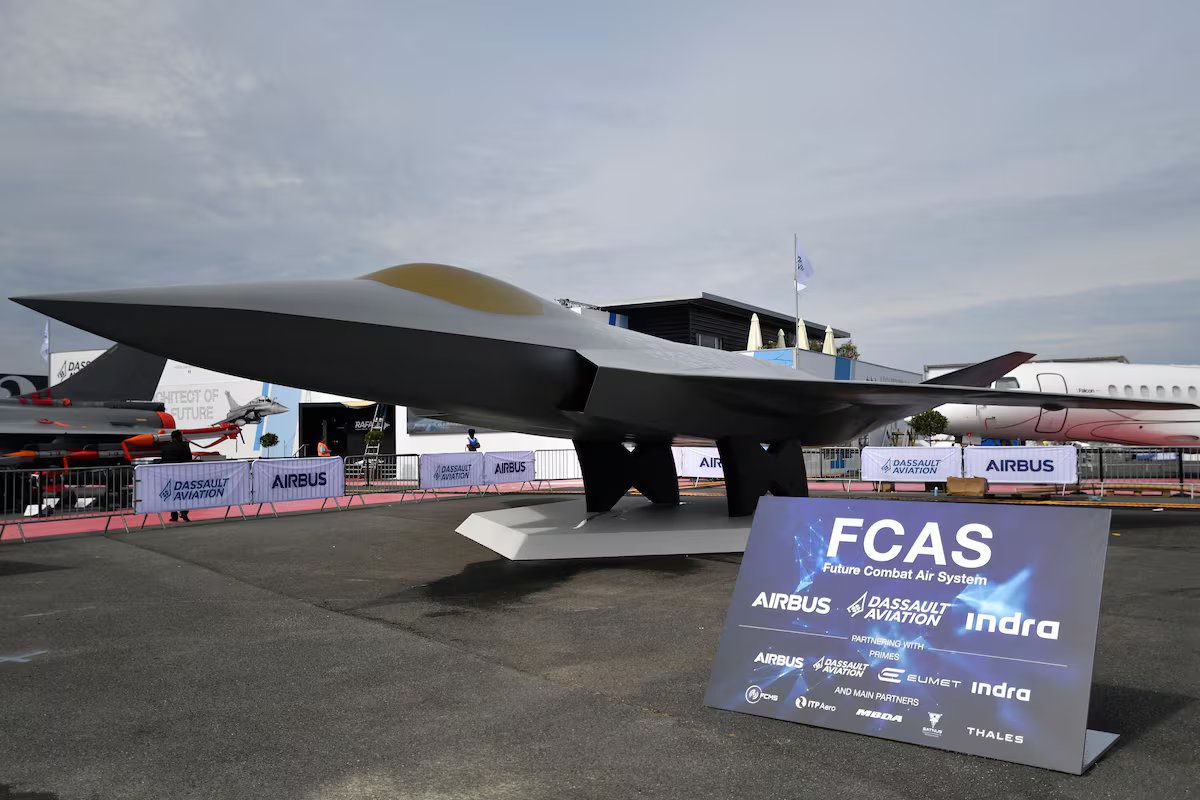
NEW DELHI — In a move aimed at closing the technological gap with regional adversaries, India has officially opened exploratory talks with France to join the nation’s Future Combat Air System (FCAS) program. This diplomatic initiative signals New Delhi’s intent to secure a seat at the table in the development of sixth-generation air combat technologies, which are poised to redefine modern warfare.
According to documents presented to India’s parliament this month, the Ministry of Defence has initiated "concerted efforts" to integrate itself into a global consortium for next-generation fighter development. While India had previously considered both the Franco-German-Spanish project and the trilateral program led by the U.K., Italy, and Japan, recent shifts in European defense cooperation have cleared the path for a potential bilateral partnership between Paris and New Delhi.
A New Chapter for European Defense
The opportunity for India arose in June when France and Germany officially dissolved their joint effort to develop the core combat fighter of the FCAS. With the project’s future in flux, France is now seeking new avenues for collaboration, and New Delhi appears eager to capitalize on this opening.
For India, the timing is critical. While the Indian Air Force currently relies on the 4.5-generation Dassault Rafale as its most advanced platform, the nation still faces significant challenges in indigenous engine development and fifth-generation stealth technology. Joining a sixth-generation program—which aims to move beyond traditional stealth into a "combat cloud" ecosystem of manned aircraft integrated with loyal-wingman drones—could act as a force multiplier.
Bridging the Technological Gap
Analysts suggest that India’s strategy is twofold: to gain access to cutting-edge IP and to shorten the development cycle for its own domestic aerospace projects.
"India still has to transition to fifth-generation technologies, so it would be good to make a parallel start on a sixth-generation program to bridge the serious gap we face," said retired Air Marshal Anil Chopra. "Some of the sixth-generation technologies that we may acquire might also be helpful as we develop our own fifth-generation program."
On August 9, a parliamentary committee overseeing defense policy formally recommended that the government "step forward the planning process" for the acquisition and development of 6G capabilities. The urgency is fueled in large part by the rapid, aggressive modernization of the Chinese air force.
"It has been a perpetual problem in Indian defense policy that India tends to lag one or two cycles behind," noted Harsh Pant, vice president of studies at the Observer Research Foundation. "That space is no longer available given how rapidly air power is evolving and how quickly China is developing its capabilities."
A Proven Partnership
The potential collaboration builds on a foundation of long-standing defense cooperation between the two nations. Beyond the current operational fleet of Rafale fighters, India is in active negotiations for 114 additional jets, a deal that has already received preliminary government approval.
As discussions progress, experts anticipate that the primary focus will center on industrial workshare, technology transfer, and Intellectual Property (IP) access. Unlike some global suppliers who apply strict political caveats to technology sharing, France has historically proven to be a more flexible partner for New Delhi.
"India needs a trusted partner as it tries to secure a place in the next-generation technology cycle before it becomes too difficult or too expensive to catch up," Pant added. "France is a good fit because it has been willing to engage in [a] defense cooperation with New Delhi without the same political lens or considerations that some other suppliers have."
As India navigates these high-stakes negotiations, the goal remains clear: to transition from a buyer of foreign platforms to a strategic partner in the creation of the world’s most advanced aviation technology.