






UPI Fee Rollout Deferred: NPCI Grants Reprieve Ahead of Diwali Shopping Rush
MUMBAI — In a significant relief for millions of consumers and small-scale retailers across the country, the National Payments Corporation of India (NPCI) has announced a postponement of the proposed merchant transaction fees on the Unified Payments Interface (UPI). The controversial 0.4% charge, which was slated to apply to transactions exceeding 2,000 rupees, will no longer take effect on its original October 15 implementation date.
The decision comes as India gears up for Diwali, the nation’s most significant festival, which traditionally signals the year’s highest period of consumer activity. By delaying the fee, the NPCI aims to prevent any disruption to the festive shopping frenzy, which sees Indians splurging on everything from high-end electronics and jewelry to automobiles and home furnishings.
A Strategic Pause for the Festive Economy
Official statements from the NPCI confirmed that the deferral was motivated by a desire to protect the momentum of the festive season. The governing body noted that a new implementation date would be shared in a subsequent notification, effectively pushing the move to a time when consumer spending is expected to stabilize following the end of the Hindu festival celebrations, which culminate on November 8.
The introduction of the 0.4% fee had been met with substantial resistance from industry stakeholders. Retailers, alongside large brokerage firms, expressed concerns that the charge—which would mark the first time UPI transactions have incurred a cost after more than six years of free utility—could stifle growth and complicate digital payment adoption.
The Scale of India’s Digital Payment Ecosystem
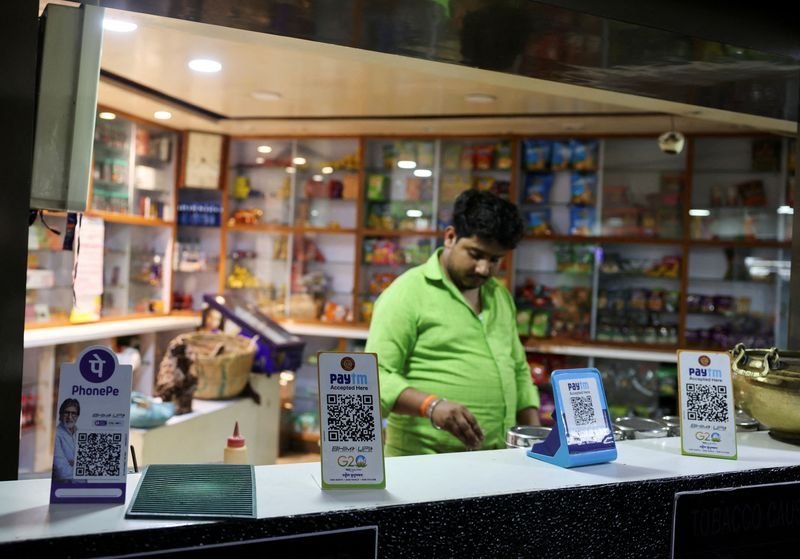
The UPI platform has become the backbone of India’s digital economy, boasting a user base of over 500 million people. Its versatility allows citizens to conduct seamless, near-instantaneous transfers for a vast range of goods, from small street-side purchases like a cup of tea to high-value transactions involving luxury smartphones.
The market remains heavily dominated by major international players, with Alphabet’s Google Pay and Walmart-backed PhonePe collectively holding approximately 80% of the market share by transaction value as of August. Industry experts suggest that the delay is a pragmatic move, providing payment service providers with the necessary window to upgrade their technical infrastructure. This extra time will help ensure that the transition to a fee-based model—if it proceeds—does not result in additional costs being passed directly onto the end-user.
Concerns Over Merchant Adoption
While the government and financial regulators are keen to ensure the sustainability of the UPI infrastructure, balancing this goal with the interests of small merchants remains a challenge. The retail sector has argued that additional charges could discourage digital adoption among smaller vendors who have only recently embraced cashless transactions.
By choosing to postpone the change, the NPCI has effectively granted the retail sector a reprieve during its most vital commercial period. As India enters its peak consumption phase between October and December, the focus will remain on maintaining the frictionless payment experience that has defined the UPI success story. Market analysts will now be watching closely for the next official announcement, as the government continues to weigh the need for sustainable payment ecosystem revenue against the goal of maintaining India’s position as a global leader in digital financial inclusion.
Disclaimer: This content is auto-generated for informational purposes only.
Source: Read Original News