







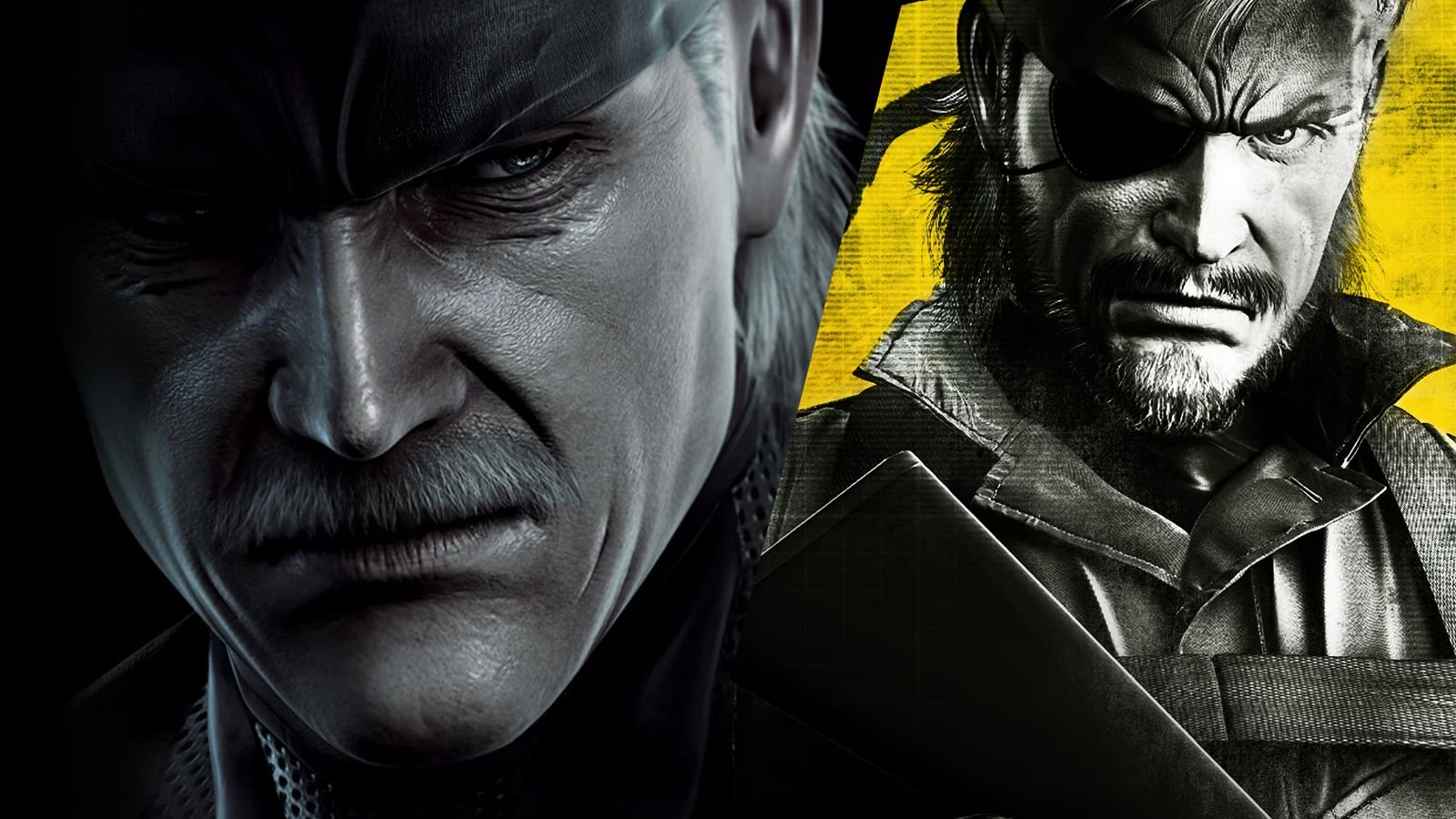
Eighteen Years Later: Returning to the Epic Scope of Metal Gear Solid 4
Playing Metal Gear Solid 4: Guns of the Patriots for the first time since its 2008 debut is a surreal experience. Back then, it felt like a monumental conclusion to a sprawling, decades-long saga. Today, in an era of open-world bloat and live-service models, that sense of a singular, high-stakes finale feels like a lost art.
Finally available on modern hardware, the Metal Gear Solid: Master Collection Vol. 2 is more than just a port; it’s a time capsule that highlights the ambition, invention, and occasional absurdity of Hideo Kojima’s magnum opus.
A Technical Triumph Reborn
MGS4 was famously pushed to its absolute limits on the PlayStation 3, and it remains a technical marvel. Playing it now at 4K and 60fps, the environments—from the grimy, war-torn battlefields of the Middle East to the snow-swept nostalgia of Shadow Moses—retain their original impact. While the assets haven’t been rebuilt from the ground up, the design philosophy holds up remarkably well.
The enemy designs, such as the Gekko units—half-machine, half-organic, and hauntingly cow-like in their movements—showcase a level of detail and character that many modern titles fail to match. The boss encounters, particularly the Beauty and the Beast Unit, remain inventive and mechanically satisfying, forcing players to adapt their tactics amidst the game’s heavy cinematic focus.
The Problem of Pacing
Despite its polish, the game’s core tension remains: the balance between gameplay and narrative. It is still a game that often stops to deliver 20-minute cinematics, frequently stripping the controller from your hands just as you find your rhythm.
Furthermore, the game demands significant "lore fluency." If you aren’t familiar with the intricacies of Big Boss, the Patriots, or the winding histories of the Metal Gear universe, the narrative can feel like an impenetrable wall of exposition. However, for those who grew up with the series, the fan service is unparalleled, turning the final act into a masterclass in nostalgia.
Beyond MGS4: Peace Walker and Ghost Babel
The collection is bolstered by two other distinct experiences:
- Metal Gear Solid: Peace Walker: Originally a PSP title, it benefits immensely from the move to consoles. Its bite-sized missions, centered on developing "Mother Base," feel perfectly suited for modern gaming sessions. The comic-book-style art by Yoji Shinkawa and Ashley Wood looks sharp, giving the game a distinct personality that stands apart from the mainline series.
- Metal Gear: Ghost Babel: This Game Boy Color entry is the surprise standout. By operating in an alternate timeline and focusing on pure, top-down stealth mechanics, it strips away the franchise’s baggage. It is a refreshing, inventive, and deeply enjoyable 2D adventure that reminds us how well the core concepts of stealth translate to a simpler, focused format.
An Archival Treasure
Beyond the games, the Master Collection Vol. 2 serves as a digital museum. Including the original screenplays, master books covering lore and character profiles, the MGS4 database, and a digital soundtrack, the package feels like a love letter to the series’ history.
While certain elements—such as the game’s dated handling of female characters and "edgy" 2000s-era tropes—haven’t aged gracefully, the collection’s overall presentation is a massive step up from Vol. 1. For those who have been waiting nearly two decades to revisit Old Snake’s final journey without the limitations of 2008-era hardware, this is an essential addition to any library.
It may not be the "best" game in the series, but MGS4 remains an event—a rare, unfiltered piece of auteur gaming that, even eighteen years later, still manages to feel like a big deal.