







OpenAI Brings ChatGPT to iMessage on Mac, Sparking New Privacy Debates
OpenAI has officially launched a new plugin that integrates its AI chatbot directly into Apple’s Messages app, marking a significant step in the evolution of desktop automation. However, the move has immediately ignited concerns regarding user privacy and security, particularly given the current frosty climate between the tech giants.
Bringing AI to Your Inbox
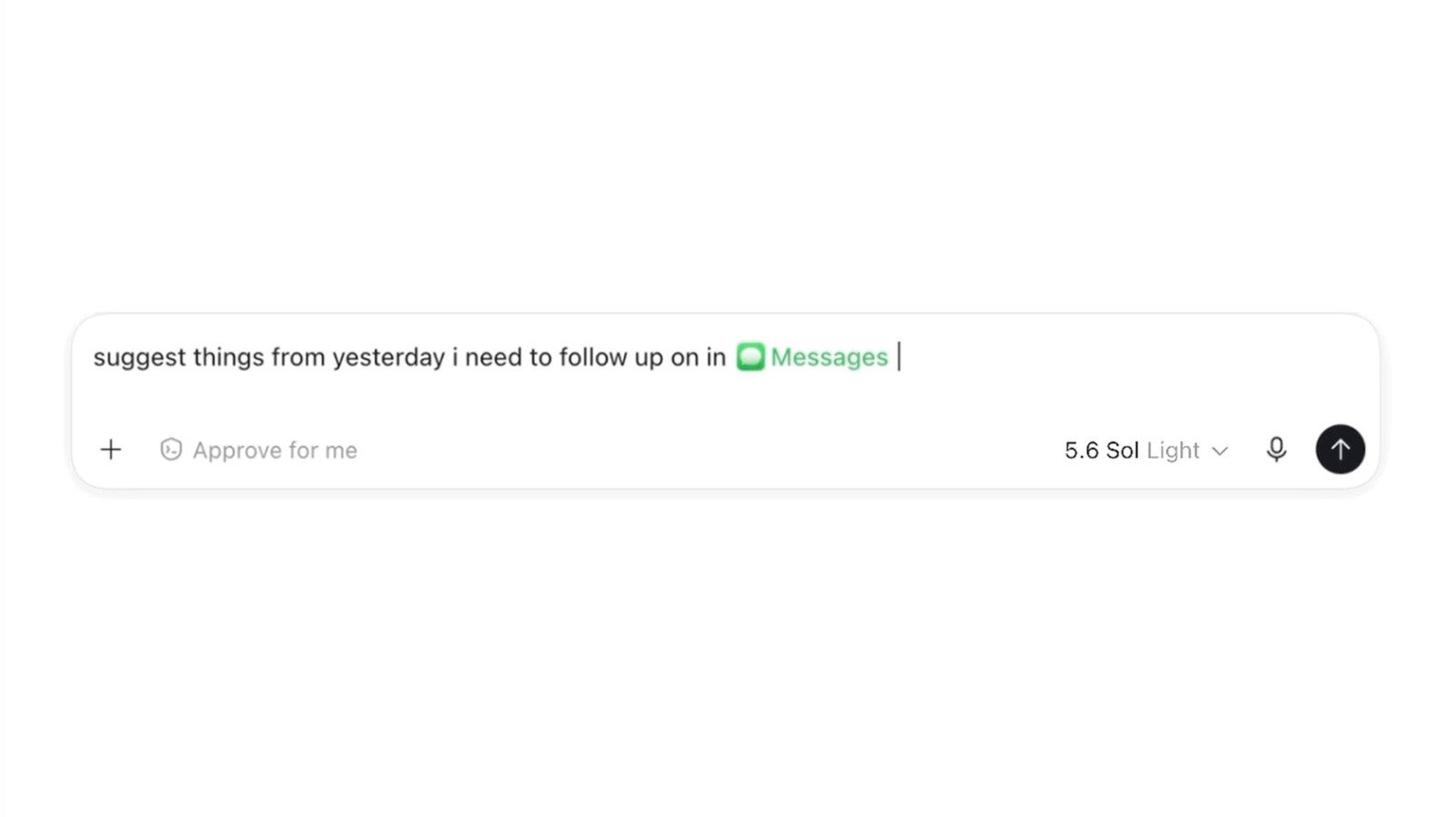
Currently, the integration is restricted to ChatGPT Work and Codex users on macOS. The plugin allows users to interact with their iMessage history directly through the ChatGPT desktop interface. In a demonstration provided by OpenAI, a user was able to prompt the AI to review conversations missed the previous day, summarize them, and even draft and send replies without ever leaving the ChatGPT window.
While the convenience of having an AI assistant manage communications is clear, the depth of access required to enable these features is extensive.
Security Hurdles and Opt-in Requirements
Recognizing the sensitivity of text messaging, OpenAI has implemented a rigorous, multi-step authorization process. The feature is strictly opt-in, requiring users to jump through several security hoops:
- Data Access: During setup, users must explicitly grant ChatGPT permission to access on-device Messages history.
- System Permissions: Users must navigate to Mac’s System Settings to grant the application “Full Disk Access.”
- Automation: The plugin requires access to contact names and Mac automation tools to facilitate the sending of messages.
Because of these deliberate hurdles, it is highly unlikely that a user could inadvertently install or enable the feature without full awareness of the permissions granted.
A Tense Backdrop
The release comes at a volatile time for the relationship between the two companies. Most notably, Apple filed a lawsuit against OpenAI in July, alleging trade secret theft. Apple claims that OpenAI aggressively recruited its employees with the explicit intent of harvesting confidential internal information.
Furthermore, Apple has a well-documented history of restricting third-party access to its ecosystem. The most prominent example occurred in 2024, when Apple engaged in a months-long “cat-and-mouse” game with Beeper Mini, a service that attempted to bring iMessage functionality to Android. Apple repeatedly disabled Beeper’s access to its servers, citing security concerns, until the developer eventually ceased its efforts.
It remains unclear whether OpenAI coordinated with Apple to develop this integration. If the history of the ChatGPT on Mac can now read and respond to Apple iMessages plugin is any indication, Apple may view this unauthorized deep-level access as a violation of its platform integrity, potentially setting the stage for yet another confrontation between the two firms.