







Diplomatic Uncertainty: India and Bangladesh in Talks Over PM Tarique Rahman’s Delhi Visit
NEW DELHI – Diplomatic relations between India and Bangladesh have entered a period of heightened sensitivity as both nations work to finalize plans for a high-level visit by Bangladesh Prime Minister Tarique Rahman.
Speculation surrounding the visit reached a fever pitch on Friday following a press release from Rashtrapati Bhavan, which announced that a change-of-guard ceremony at the presidential forecourt would be canceled on Saturday due to a “ceremonial welcome of the PM of Bangladesh.” The release was retracted shortly thereafter, sparking confusion and prompting the Ministry of External Affairs (MEA) to clarify that no immediate update on such a visit existed.
A Complex Diplomatic Landscape
Sources close to the matter confirmed that while a visit is in the planning stages, no dates have been firmly locked in. The confusion in New Delhi mirrors a shifting political climate in Dhaka, where the new administration has signaled that future bilateral engagement is contingent upon progress on long-standing grievances.
A A M Saleh, press secretary to the Prime Minister, stated that a final decision on the visit has not yet been reached. He emphasized that Dhaka is awaiting a formal response from India regarding the extradition of former Prime Minister Sheikh Hasina and several other "fugitive criminals" currently sought by the Bangladeshi authorities.
Despite these hurdles, a visit in early September remains a possibility. Prime Minister Narendra Modi has extended an invitation for a bilateral summit, as well as an invitation for Rahman to participate in the upcoming BRICS summit, representing Bangladesh in its capacity as the BIMSTEC chair. However, Dhaka maintains that the atmosphere for these talks was complicated by a virtual press conference held by Sheikh Hasina on August 5.
Lingering Issues: Borders and Water
Beyond the extradition debate, Bangladesh has signaled a hardening of its diplomatic stance. Dhaka is pushing for concrete progress on contentious issues that have long strained ties, including reports of border killings and the management of shared river resources.
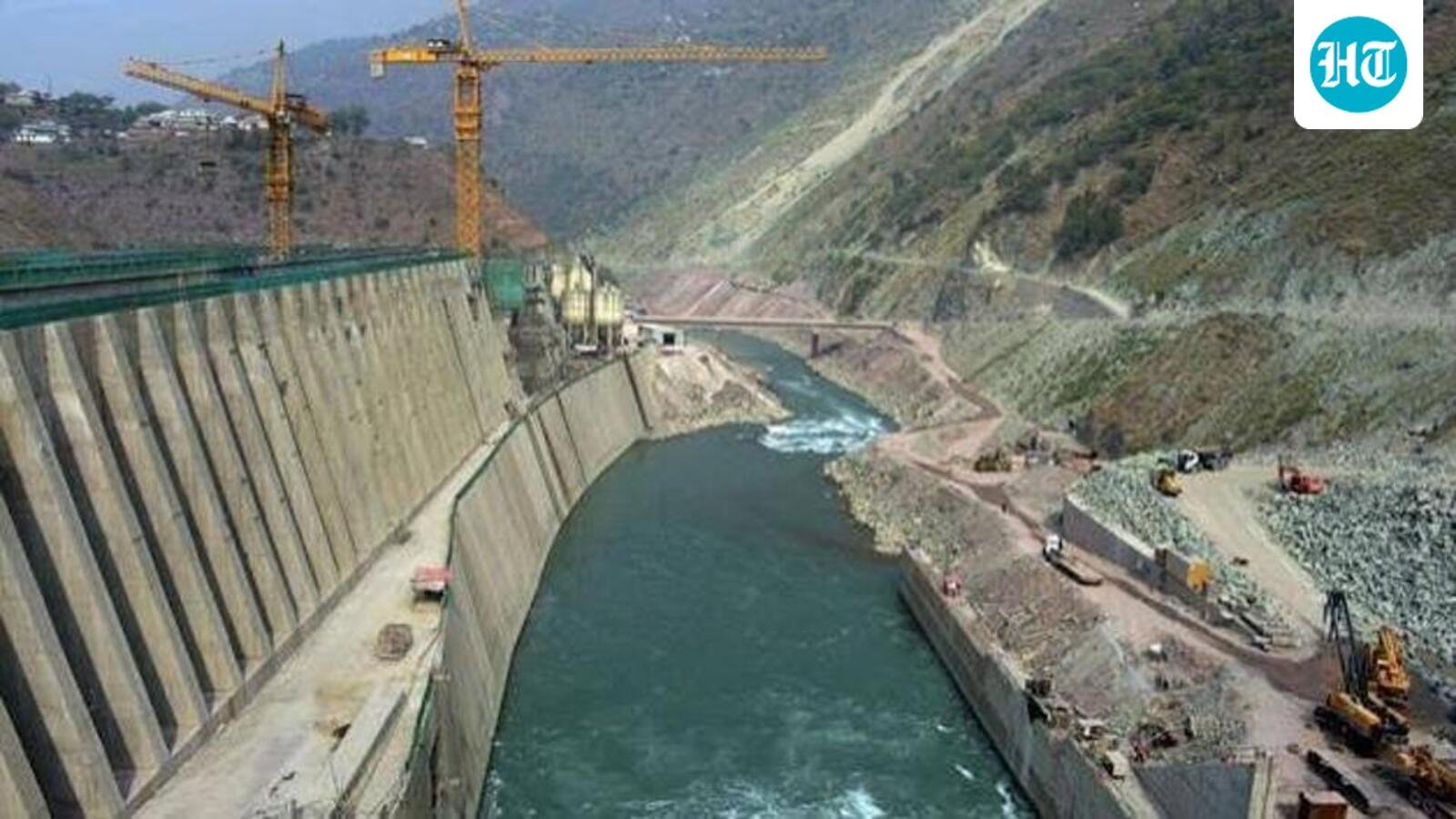
Of particular concern is the 1996 Ganges Water Sharing Treaty, a cornerstone of bilateral water diplomacy that is set to expire in late 2026. The treaty, which governs dry-season water allocation, has recently come under scrutiny from various stakeholders, including political figures in the Indian state of Bihar who have questioned its impact on local interests.
When pressed on the future of the agreement, MEA spokesperson Randhir Jaiswal reiterated the importance of existing institutional frameworks. "As you would be aware, the Ganga Water Treaty was signed in 1996 for a period of 30 years," Jaiswal noted. "All river-related issues between India and Bangladesh are discussed under the Joint Rivers Commission. Further, meetings of the joint committee under the Ganga Water Treaty continue to be held at the technical level."
The Path Forward
As the two neighbors navigate these complexities, the potential visit by Tarique Rahman is being viewed by analysts as a critical juncture. The Rashtrapati Bhavan incident underscores the fragile nature of current diplomatic communications. With the expiration of the water treaty looming and political tensions in Dhaka running high, both nations face the challenge of reconciling their domestic priorities with the necessity of maintaining regional stability.