







Pakistan’s $6 Million Legal Gamble: Prioritizing Litigation Over Domestic Crisis
ISLAMABAD: At a time when Islamabad is enforcing a stringent austerity drive to combat severe economic headwinds, the Pakistan government’s expenditure on international litigation against India has come under sharp focus. Budget documents for the 2026-27 fiscal year reveal that Pakistan has funneled nearly $6 million into Court of Arbitration proceedings at The Hague, even as its own domestic infrastructure and public services suffer from significant funding cuts.
Footing the Bill for Both Sides
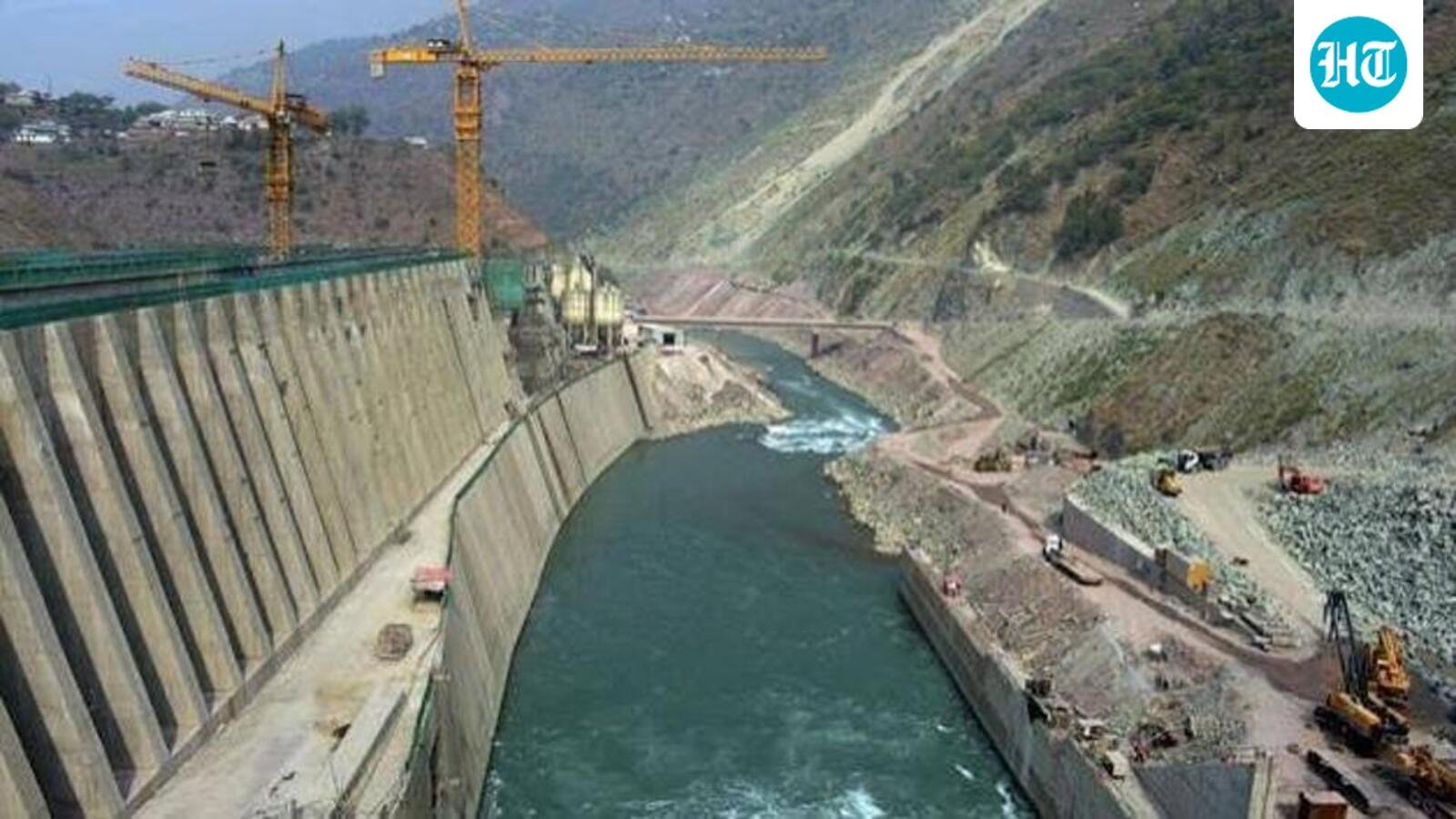
The financial commitment is even more striking given that Pakistan has effectively been subsidizing India’s share of the costs. New Delhi has maintained a consistent stance that it does not recognize the Court of Arbitration in the context of the Ratle and Kishenganga hydropower projects. Consequently, India has refused to participate in the proceedings or contribute to the associated costs.
According to those familiar with the matter, the court has frequently sought funds from both parties to sustain the legal process. Because India has stayed away, Islamabad has unilaterally chosen to settle these costs. “Pakistan has been footing India’s bill too,” an official noted, highlighting that the country is financing a legal forum that only it officially recognizes.
Fiscal Mismanagement Amid Austerity
The expenditure on the Hague litigation is starkly disproportionate when compared to the country’s domestic water management needs. Government budget papers indicate that the Pakistan Mission for Indus Waters was allocated $7.9 million—more than half of the Water Resources Division’s entire current expenditure budget. In contrast, the office tasked with handling national flood disasters—the Federal Flood Commission—received a meager $1.2 million.
This lopsided allocation comes as the government enforces a radical austerity policy implemented on September 17. The directive includes a 50% cut in fuel for official vehicles, a ban on new government car purchases, and strict limitations on foreign travel and official hospitality. While these measures aim to rescue a struggling economy, the expensive legal campaign in The Hague remains untouched.
A Lack of Transparency
There is growing criticism regarding the opacity of these legal expenditures. The government’s budget documentation lacks a granular breakdown of the fees paid to high-profile London-based legal teams, including those from Twenty Essex and 3 Verulam Buildings, along with technical advisors.
While the official figures remain obscured, industry benchmarks for senior London solicitors suggest that the costs are substantial. With hourly rates for partners often exceeding £900 and brief fees for King’s Counsel running into the hundreds of thousands of pounds, the true cost of Pakistan’s decade-long pursuit of the case is likely astronomical. Additionally, Pakistan has poured nearly $2 million into the separate Neutral Expert proceedings, which have also become redundant following India’s decision to put the Indus Waters Treaty in abeyance.
Distraction from Domestic Failure
Analysts suggest that the fixation on The Hague serves as a convenient political narrative for Islamabad. By framing the dispute as an international “national cause,” the government seeks to shift blame for its water insecurity toward its neighbor.
However, experts point to deep-seated domestic failures as the true cause of the crisis. The storage capacity of Pakistan’s four major reservoirs—Tarbela, Mangla, Chashma, and Warsak—has plummeted by 29% due to years of neglect and inefficient water governance. Critics argue that by prioritizing international litigation over essential domestic maintenance and storage development, Islamabad is choosing to sustain a costly “fiction” rather than addressing the existential water challenges facing its own citizens.
Disclaimer: This content is auto-generated for informational purposes only.
Source: Read Original News