






HoverAir Versa Hits Regulatory Wall as FCC Cracks Down on Drone Loophole
The ambitious "pocket camera that flies," the HoverAir Versa, has faced a swift and restrictive reality check just days after its Indiegogo launch. In a development that signals the federal government’s tightening grip on Chinese-made drone technology, HoverAir appears to have been caught in the crosshairs of an ongoing FCC drone ban.
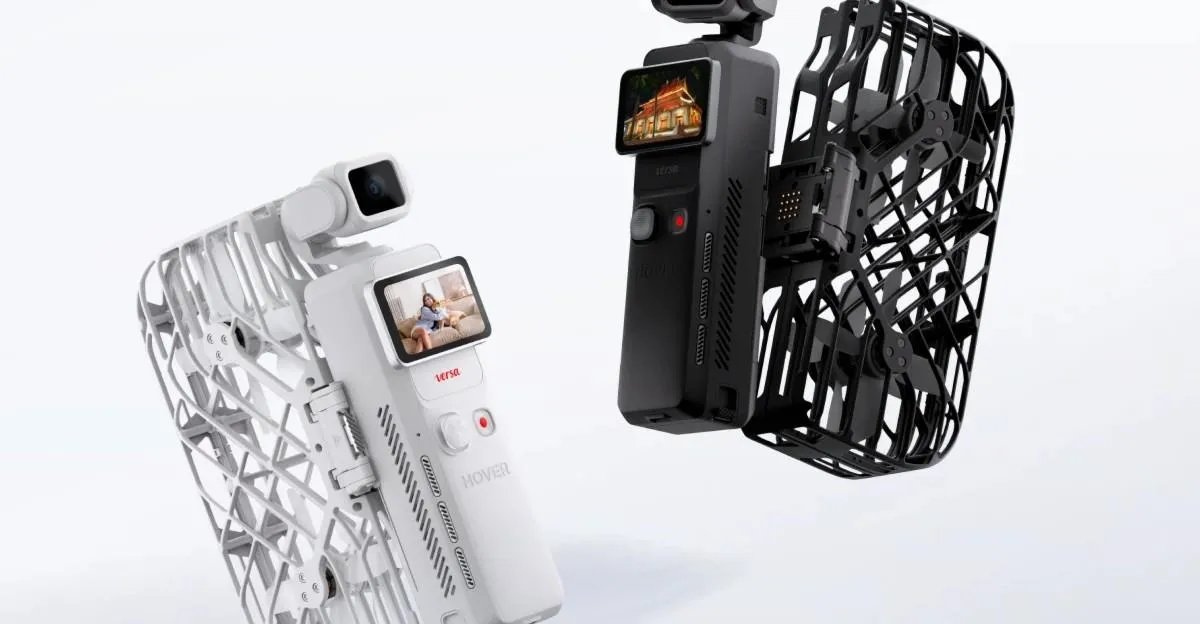
The HoverAir Versa, designed by Zero Zero Robotics, gained initial attention for its clever modular design: a handheld steadycam that could be transformed into a drone with the addition of "snap-on" propeller wings. However, that design choice has proven to be a regulatory liability.
A Failed Loophole
The company initially attempted to navigate US import regulations by seeking FCC certification for the device strictly as a "camera." In its pitch to the FCC, Zero Zero Robotics argued that because it is not currently on the FCC’s "Covered List"—a blacklist of companies deemed national security risks—the camera portion of the device should be exempt from the stringent restrictions placed on drone manufacturers.
The strategy worked briefly, with the FCC granting approval on August 9th. However, the victory was short-lived. The FCC’s rules categorize cameras as "critical drone components," meaning any entity manufacturing drones or essential parts for them falls under the agency’s broad oversight. It appears the regulator quickly reconsidered, as the entry for the HoverAir Versa has reportedly vanished from the FCC’s authorization database, suggesting the approval was rescinded.
Shipping Ambiguity and Backer Backlash
The impact of this regulatory shift is already being felt by American consumers. Indiegogo backers browsing from the United States are no longer able to purchase the "Flight Kit"—the component that grants the camera aerial capabilities. When users access the Indiegogo page via a VPN from other countries, the option reappears, confirming that the restriction is geofenced to the US market.
Worse yet, current American backers are reporting that their pledges are now being blocked, with many noting that the company cannot fulfill shipments to US addresses.
This uncertainty has sparked concern among early supporters who fear a repeat of previous company behavior. Last December, when the HoverAir Aqua failed to receive certification, the company reportedly spent months offering vague promises of imminent shipping rather than admitting the regulatory failure.
The Regulatory Landscape
The FCC has remained tight-lipped regarding the specific status of the Versa, with agency spokespeople refusing to comment on the record. This silence is consistent with the agency’s recent aggressive posture toward hardware manufacturers that attempt to circumvent bans on Chinese drone tech.
For now, the future of the HoverAir Versa in the US remains in limbo. If the FCC holds firm on the rejection of the camera authorization, the device may be barred from the American market entirely, leaving backers in a state of suspended animation. Neither Zero Zero Robotics nor the FCC have provided clear guidance on whether refunds will be processed, leaving US gadget enthusiasts to wait—and wonder—if their orders will ever arrive.