






The "Dark" Fleet: How Shadow Shipping is Preventing a Global Oil Crisis
August 22, 2026 — Six months into a volatile conflict between the United States, its allies, and Iran, global energy markets are defying expectations. While the outbreak of hostilities in February triggered a massive supply shock—sending Brent crude prices soaring by 43% to a peak of $103.90 a barrel—prices have since retreated and stabilized well below the century mark.
The primary driver behind this price stability is not a sudden diplomatic breakthrough, but a sophisticated, clandestine logistical operation dubbed "dark" transit.
The Vanishing Act in the Strait of Hormuz
As Iranian drone threats turned the Persian Gulf into a high-risk combat zone, major oil producers—including Saudi Arabia, Kuwait, Qatar, and the UAE—faced an existential threat to their exports. In response, they pivoted to a strategy of "going dark."
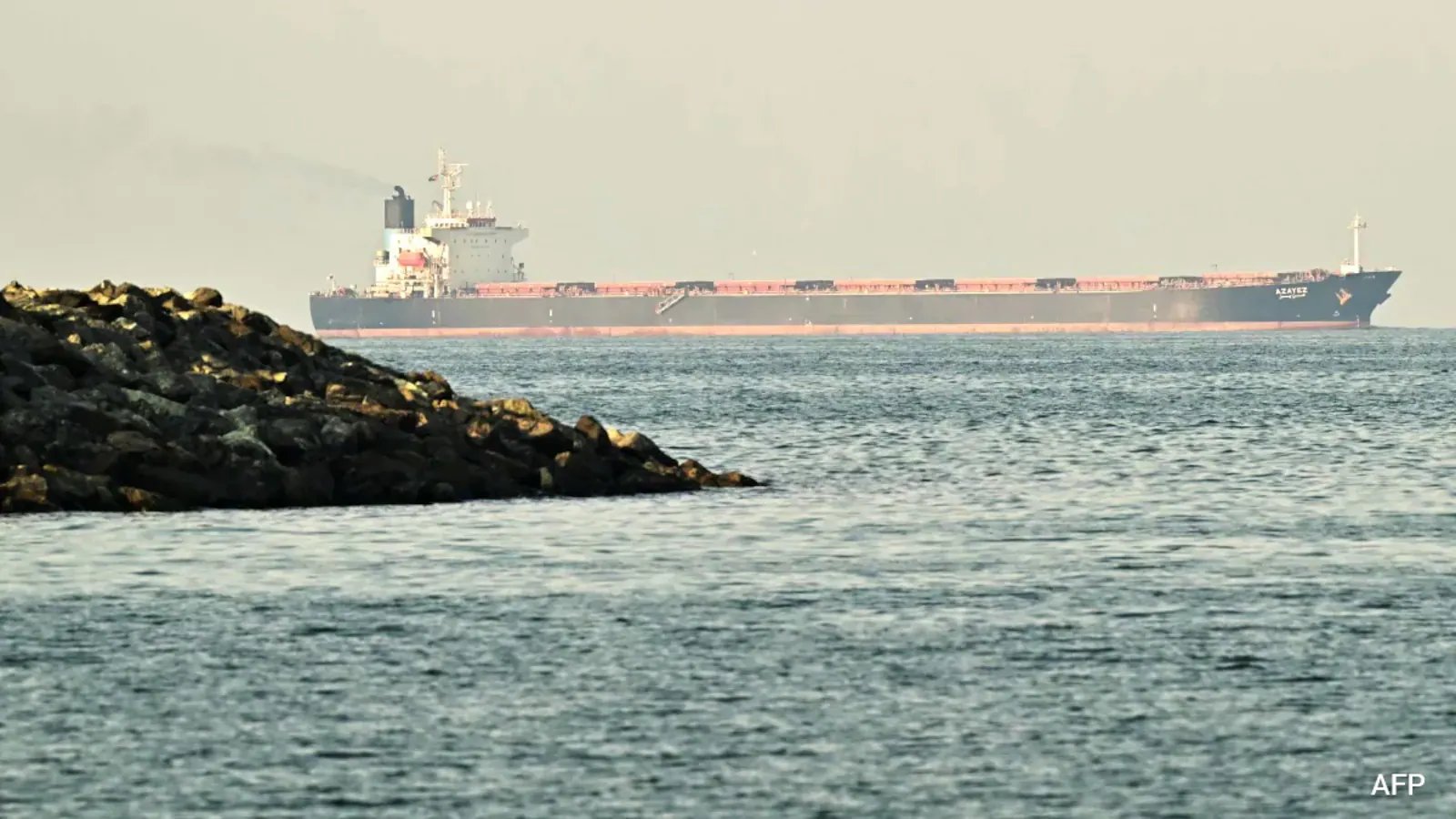
Under this arrangement, charter vessels switch off their AIS (Automatic Identification System) transponders—the radio devices that broadcast a ship’s position and identity—before entering the Strait of Hormuz. These vessels then proceed through the vital waterway under the protection of U.S. Navy escorts. Once they reach the safety of the Gulf of Oman, the cargo is transferred to waiting tankers, allowing the "dark" vessel to return to port.
The scale of this operation is staggering. According to shipping data firm Kpler, there have been 1,514 such "dark" crossings since March 1. In a recent two-week window, over 80% of liquid cargo transits through the strait utilized either this Omani route or similar covert channels.
The tactical ingenuity of this strategy was exemplified by the Greek-owned supertanker Kiku. After docking in Qatar in late July, the vessel effectively vanished from global tracking systems on July 31 near Dubai, only to reappear on the other side of the strait on August 1, fully loaded and ready to continue its journey.
Shifting the Burden
This strategy has fundamentally changed the economics of Middle Eastern oil. By relying on U.S. naval escorts, producers have shifted the physical and financial risks of the conflict away from commercial shipping lines and onto the U.S. government and the producing nations themselves.
The U.S. Department of Energy reports that the tactic is yielding clear results. August data suggests that oil traffic through the strait has averaged between 8 million and 9 million barrels per day—roughly double the volume that standard transponder-based tracking would indicate.
"The Strait is open. A lot of boats are coming through," President Donald Trump remarked in a recent social media statement, highlighting the effectiveness of the naval blockade.
A Multi-Pronged Strategy
Beyond the "dark" transit of the Strait of Hormuz, Middle Eastern producers have actively moved to decrease their reliance on the chokepoint. Saudi Arabia has diverted approximately 5 million barrels per day through its East-West pipeline to the Red Sea port of Yanbu, while other regional producers have rerouted an additional 2 million barrels daily.
This shift has been supported by increased production from non-Middle Eastern nations. Brazil, Guyana, and Venezuela have collectively bolstered global supply by over 1 million barrels a day, while U.S. production has seen a daily increase of several hundred thousand barrels.
The Strait of Hormuz remains the focal point of the wider conflict, which U.S. officials maintain was initiated to prevent Iran from acquiring a nuclear weapon. As both Tehran and Washington trade claims of being the "Guardians of the Strait," the narrow waterway—measuring just 23 miles at its widest point—has become a chessboard.
While the "dark" transit strategy is not without its vulnerabilities—radar can still detect vessels, and there are few places to hide in such a narrow corridor—it has thus far provided the time and security necessary to prevent the Strait of Hormuz from becoming the catalyst for a global economic catastrophe.