








Western Australia Braces for Potential Devastation as Bird Flu Threatens Iconic Black Swan
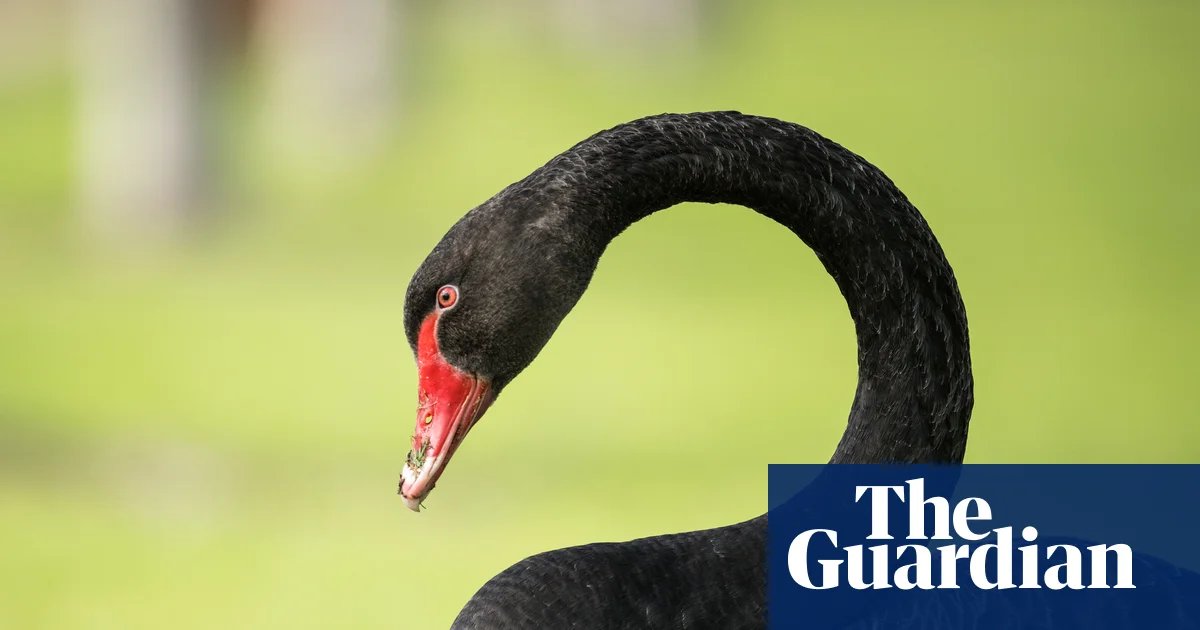
Western Australia is facing an anxious wait as the H5N1 avian influenza virus edges closer to the state’s most recognizable wildlife icon: the black swan. Scientists warn that should the virus infiltrate the state’s swan colonies, the impact on these beloved birds—and the communities that cherish them—could be catastrophic.
According to Dr. Kirsty Short, a virologist at the University of Queensland, the black swan serves as a critical "indicator species." Their biological makeup, specifically a lack of certain immune proteins required to recognize viral infections, leaves them exceptionally susceptible to the H5N1 strain. Once infected, they are far more likely to suffer a fatal inflammatory response than to recover.
"If avian influenza gets into a place where there are black swans, then I think we will see swan mortality, and if there’s a significant number of swans, significant mortality," Dr. Short said.
A Totem Under Siege
The black swan—known as Maarli or Kuljak to the Noongar people—holds deep cultural and totemic significance for Indigenous Australians, a heritage that predates its formal adoption as the state emblem of Western Australia. Today, the species is synonymous with the state, featured prominently on its flag, coat of arms, and public infrastructure.
The prospect of mass die-offs has sparked fears of not only ecological disaster but deep psychosocial harm to the public. "It would be pretty devastating for that local area," says ornithologist Floyd Holmes of Phoenix Environmental Sciences. He notes that because black swans are large, social creatures that congregate in specific inland and coastal breeding colonies, the risk of a "local extinction" within those pockets is high.
The Vaccination Challenge
In response to the mounting threat, the WA government has begun testing vaccines on endangered black cockatoos at Perth Zoo. Environment Minister Matthew Swinbourn confirmed that the feasibility of vaccinating wild black swans is being explored, though he acknowledged that the vaccine, originally designed for poultry, is not currently registered for wildlife.
Nationally, the Australian government has committed $113 million to preparedness efforts, including the purchase of vaccines for captive priority species. However, experts remain skeptical about the scalability of these efforts. Most vaccines require two doses administered weeks apart, making the immunization of wild populations logistically daunting, if not impossible. While successful vaccination programs are underway for highly studied, sedentary little penguin colonies in Victoria, applying such measures to roaming swan populations presents a vastly different challenge.
"Death by a Thousand Cuts"
The looming crisis has highlighted long-standing concerns regarding Australia’s wildlife preparedness. Lindall Kidd, a waterbird ecologist at BirdLife Australia, argues that the nation has been playing catch-up, with funding historically skewed toward agricultural protection rather than native biodiversity.
"Our birds are already under pressure from habitat loss through land clearing and climate change; we could be looking at death by a thousand cuts," Kidd said. She noted a critical lack of specific, actionable plans for common, widespread species that interact frequently with humans, such as pelicans and swans.
As the state awaits the potential arrival of the virus, the future remains uncertain. Researchers are monitoring the situation closely, weighing three grim possibilities: the development of natural immunity, limited viral transmission, or, in a worst-case scenario, the loss of entire local populations.
For now, Western Australians can only watch and wait, hoping their state emblem survives the black swan bird flu threat that is currently testing the resilience of the nation’s wildlife management.