









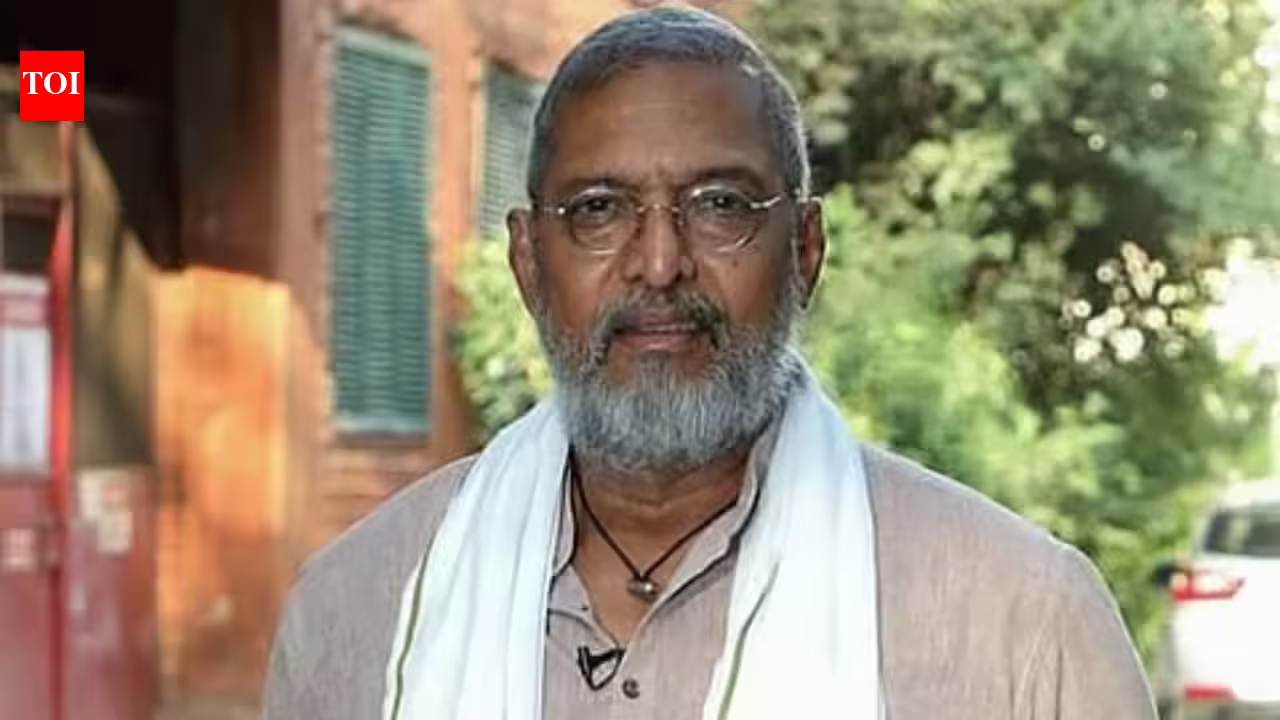
The glitz of Bollywood is often measured in box office collections, red-carpet appearances, and the sheer scale of opulence. But for every icon who reaches the pinnacle of Indian cinema, there is a backstory carved out of the rawest, most unforgiving granite of reality. Nana Patekar, a man whose screen presence is defined by an intensity that feels almost tectonic, carried a legacy far heavier than his accolades. Following the news of his passing this past Thursday, the industry has been left to grapple with the loss of not just a formidable actor, but a man who navigated the harrowing intersection of deep poverty and monumental grief.
While fans remember him for the fire he brought to characters in Parinda, Krantiveer, and Prahaar, it is the quiet, painful echoes of his early life—specifically the tragic death of his father—that provide the true measure of the man. It is a story that strips away the celebrity veneer, revealing a haunting vulnerability that suggests his legendary intensity as an actor was perhaps fueled by the very things he could not change.
The Crushing Weight of Silence and Poverty
In a candid, soul-baring interview conducted earlier this year, Nana Patekar chose to pull back the curtain on a period of his life that he rarely visited. He spoke of the transition from a struggling, impoverished youth to a man who would eventually command the attention of the entire nation. Yet, success, in his narrative, was a fickle companion that arrived with impeccable timing and devastating irony.
The actor’s rise in the film industry was a grind. There was no overnight stardom; there were only small parts, long waits, and the constant, nagging anxiety of a precarious bank balance. Nana recounted the timeline of his life with a sobering clarity: the moment his career began to find its footing, his father’s health began its terminal descent. It is the classic immigrant or underdog story, twisted into a tragedy. He began to earn—first a little, then a lot—but the currency of his success held no value against the encroaching shadow of his father’s illness. The money came, but it came too late. The realization that he possessed the means to save a life only after that life had slipped away is a psychological burden that few are forced to carry into the heights of fame.
Nights on the Footpath: The Reality of Hospitalization
Perhaps the most visceral detail of Nana’s reflection is not the financial struggle itself, but the dehumanizing nature of the hospital environment during his father’s final days. For those who know only the sterile, high-end private healthcare of modern India, it is easy to forget the grit of the past. Nana shared how he and a loyal friend were barred from staying inside the hospital overnight, a policy that forced them to seek refuge on the cold concrete of the hospital stairs or the nearby footpath.
There is a surreal, almost cinematic quality to his recollection of playing Antakshari—a game of song, melody, and childhood innocence—while waiting for word on whether his father was still alive. It speaks to the defense mechanisms of a young man caught in a nightmare. Playing a game while standing on the precipice of profound loss is not an act of carelessness; it is a desperate attempt to remain tethered to sanity while the world around you is collapsing. It highlights the stark helplessness of the poor, trapped in a system where you are essentially an outsider to your own family member’s medical care.
The Hesitation That Never Left
“That hesitation stays with you.” When Nana Patekar uttered those words, he wasn’t just talking about a financial deficit; he was talking about a haunting. Even as he became a household name, capable of commanding film sets and earning the respect of his peers, the boy sitting on the footpath never truly left his side.
He admitted that the regret of not having access to better medicine or a superior hospital facility was a phantom that haunted his success. It explains, perhaps, why the actor was known for his grounded, often austere lifestyle, and his extensive work in philanthropy. When you have faced the abyss of being unable to afford life-saving treatment, you don’t just move on; you move forward with a lifelong commitment to ensuring others don’t face that same helplessness. His tears, even decades later, were not for the lack of fame or fortune, but for the lack of a chance—a simple chance to play the role of the savior for the one man who had raised him.
A Legacy Beyond the Screen
The death of Nana Patekar marks the end of an era. In an industry that often celebrates the superficial, he was an anomaly—a man who wore his trauma openly and refused to let his craft be anything less than a mirror to the human condition. His acting was never about “pretending”; it was about channeling the visceral pain and anger that he had cultivated through his lived experiences.
While his filmography will be studied by aspiring actors for generations, his true legacy lies in the dignity with which he spoke about his struggles. He didn’t hide the poverty; he didn’t gloss over the humiliation of the hospital stairs. He owned it. He turned his grief into a tool for empathy, making him one of the most respected figures in the Indian arts.
Remembering the Man Behind the Intensity
As the tributes pour in, we must remember that behind the booming voice and the commanding gaze was a man shaped by an early, profound loss. He was a survivor who never forgot the weight of his own footprints. His journey from that hospital footpath to the peak of Bollywood is a testament to his resilience, but his enduring sorrow for his father is a testament to his humanity.
Nana Patekar has left us, but he has left behind a story that reminds us of the fragility of our own circumstances. He was, and will always be, a man who gave everything to his art, yet saved his most honest performances for the moments when he was simply a son grieving his father. The lights have dimmed on his stage, but the profound truth of his experiences will continue to resonate, reminding us all that even the greatest stars are forged in the fires of their own private, quiet struggles.
Disclaimer: This content is auto-generated for informational purposes only.
Source: Read Original News