







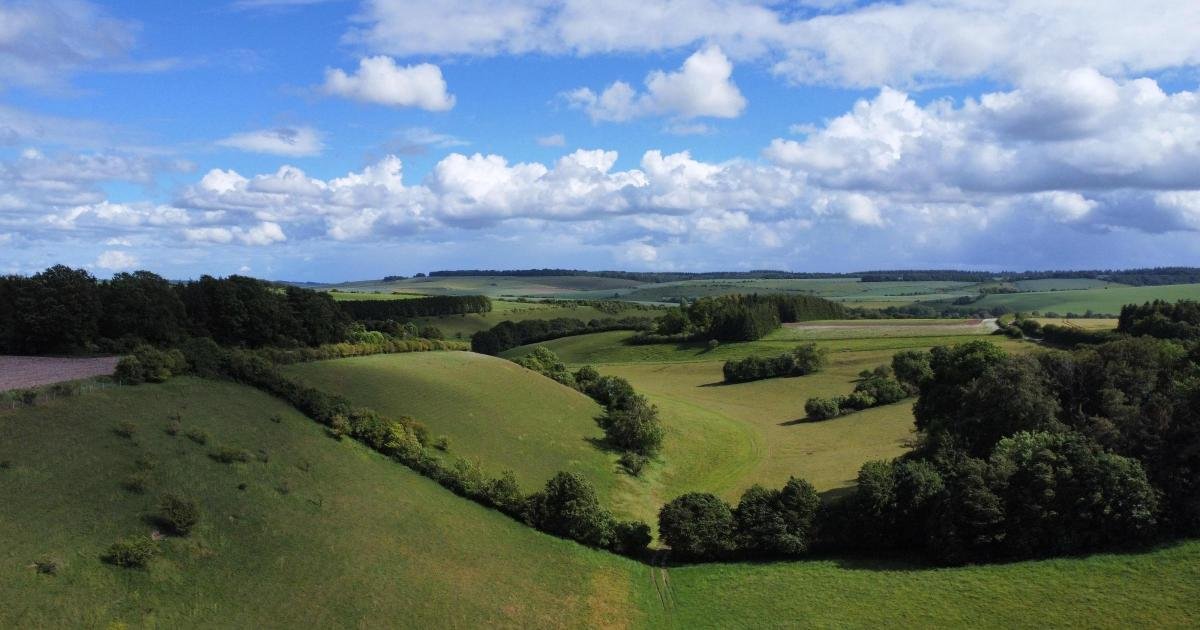
East Farm Habitat Bank, located in the rolling landscape of Wiltshire, has officially launched a new initiative aimed at driving regional biodiversity recovery through the delivery of habitat creation and restoration projects. The scheme is being delivered in strategic partnership with the Environmental Farmers Group (EFG), a national farmer-led cooperative recognized for its expertise in managing large-scale natural capital projects, including the notable nutrient neutrality scheme in the Hampshire Avon catchment.
The project is designed to provide essential support to developers operating within the Salisbury Plain and West Wiltshire Downs areas. By offering both area-based habitat units and watercourse biodiversity units, the East Farm Habitat Bank serves as a practical solution for developers seeking to fulfill their mandatory Biodiversity Net Gain (BNG) obligations.
The introduction of BNG requirements has fundamentally changed the approach to land management for many rural businesses. For East Farm, the policy has served as a catalyst for integrating conservation into the core of its agricultural operations. Robin Leech, the farm’s in-house ecologist, emphasized that the initiative is about more than just compliance; it is about scaling up existing environmental stewardship.
“BNG has really given us the opportunity to take conservation on the farm to the next level,” said Leech. “We know how to do this, and we have gone ahead and started the creation of the new habitats. It is very exciting watching the change starting to happen. Those who buy our BNG units can be proud of what they have helped to create.”
The habitat bank currently offers a variety of solutions, including medium-distinctiveness area-based units, as well as specialized habitats such as wood pasture, parkland, and watercourse restoration. These options are currently in high demand as infrastructure developers across the country seek high-quality, verifiable sites to offset the environmental impact of construction projects.
By operating as a member of the EFG, East Farm benefits from a broader collaborative framework. This partnership connects the Wiltshire site to a wider national network of environmental projects, allowing for a more cohesive approach to landscape-scale restoration. This integration into the EFG’s portfolio of natural capital initiatives ensures that the work carried out at East Farm is aligned with broader environmental goals, contributing to a more resilient ecological network across England.
As the BNG market continues to mature, projects like the East Farm Habitat Bank represent a shift in the role of the modern farmer. By transforming agricultural land into hubs of biodiversity, these partnerships demonstrate how private investment in nature can support both the essential needs of infrastructure development and the long-term health of local ecosystems. For developers, the partnership provides a reliable and ecologically sound mechanism to meet their regulatory requirements while supporting the restoration of the iconic Wiltshire countryside.
Disclaimer: This content is auto-generated for informational purposes only.
Source: Read Original News