








How a Rs 50-Crore Blockbuster Was Labeled a ‘Flop’: The Untold Story of ‘Sholay’
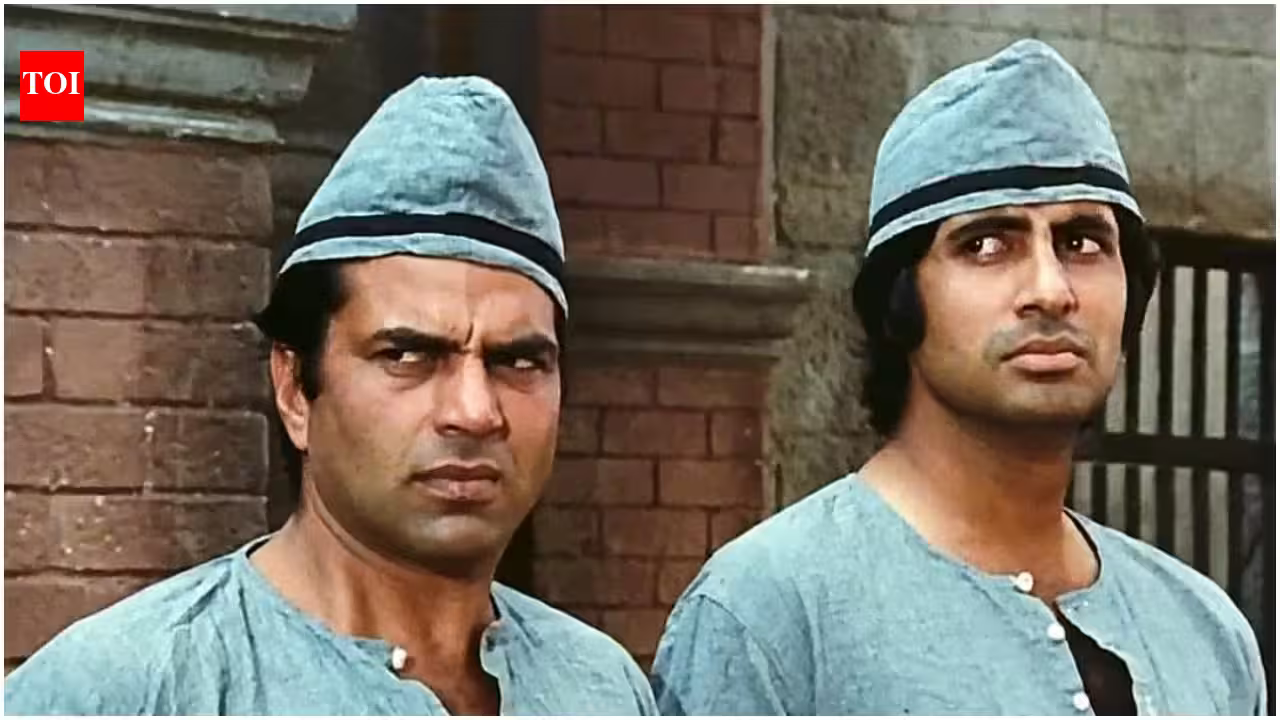
In the annals of Indian cinema, Bollywood is often categorized into two distinct eras: the time before Sholay and the time after. Released in 1975, the Ramesh Sippy magnum opus—starring Amitabh Bachchan, Dharmendra, Hema Malini, Jaya Bachchan, and the iconic villain Amjad Khan—rewrote the rules of mass entertainment. Yet, despite its monumental success and cultural impact, the film was initially declared a "flop" by critics and industry insiders.
The Paradox of Success
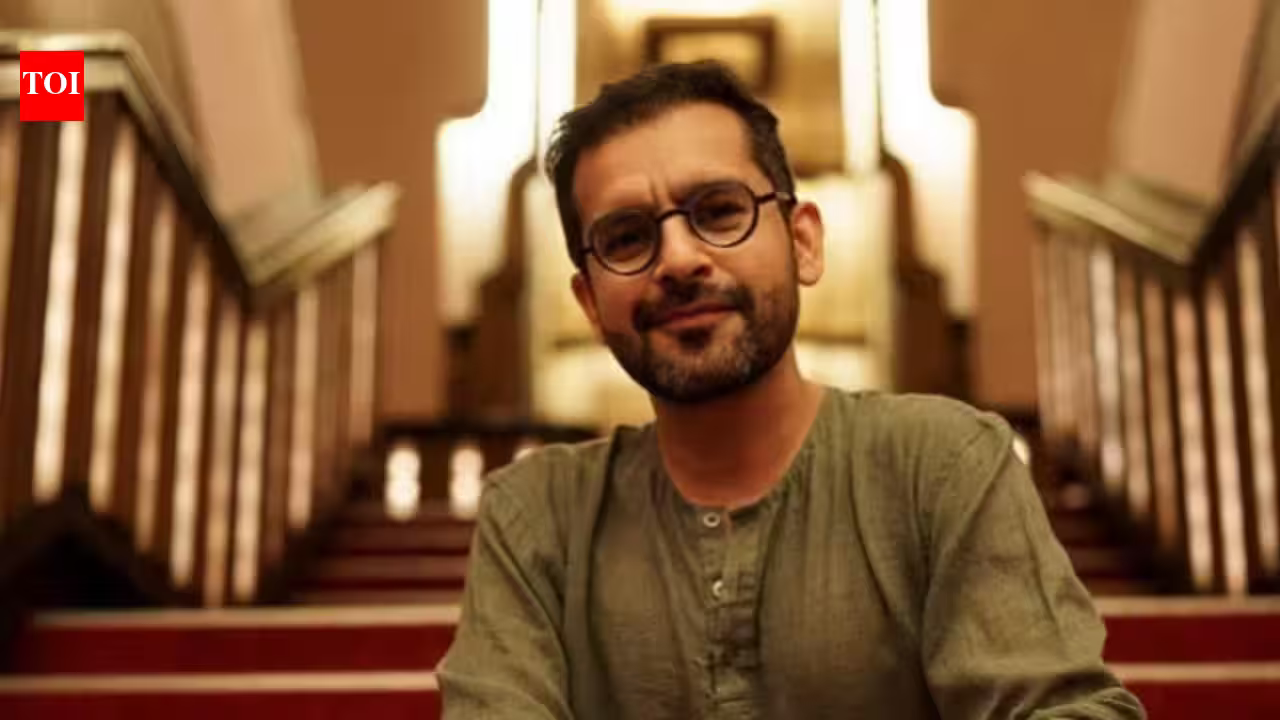
While Sholay went on to earn a staggering Rs 50 crore worldwide—a colossal figure for 1975—it faced intense skepticism at the time of its release. During a recent conversation with Siddharth Kannan, director Ramesh Sippy revealed that newspapers had prematurely labeled the film a failure.
"They wrote that the investment was too high, that the makers would never recover it," Sippy explained. "They even claimed that such expensive films would destroy the industry. But five weeks later, they took back their words and admitted they were wrong."
The financial burden was indeed immense. Originally budgeted for Rs 1 crore, the production costs ballooned to Rs 3 crore. To put that into perspective, in 1975, that expenditure was equivalent to a massive Rs 100-crore budget today. Because of this, many within the industry didn’t just doubt the film—they were relieved by its perceived failure, viewing it as a cautionary tale against the "excessive" spending that threatened traditional business models.
Censorship and the Emergency
The film’s journey to the screen was fraught with external interference. Due to the political climate of the Emergency era, the Censor Board exerted significant pressure on the filmmakers, forcing a complete overhaul of the movie’s climax.
Sippy shared that the board found it unacceptable for a police officer, played by Sanjeev Kumar, to take the law into his own hands. "They said, ‘Sanjeev Kumar is playing a police officer—how can he take someone’s life?’ According to them, he couldn’t kill Gabbar; Gabbar had to be sent to jail," the director recalled. With no room for negotiation during that politically sensitive period, Sippy was forced to return to Bangalore to reshoot the entire climax.
A Legacy Restored: ‘Sholay: The Final Cut’
As the nation celebrates 50 years of this cinematic masterpiece in 2025, audiences are finally witnessing the filmmaker’s original vision. The re-release, titled Sholay: The Final Cut, restores the intended ending that Sippy was forced to scrap decades ago.
Reflecting on the decision, Sippy noted, "I felt terrible when they asked me to change it." Today, the enthusiastic response from audiences to the re-release serves as the ultimate validation for a film that survived industry cynicism and state-mandated changes to become, perhaps, the most enduring legend in Hindi cinema history.