









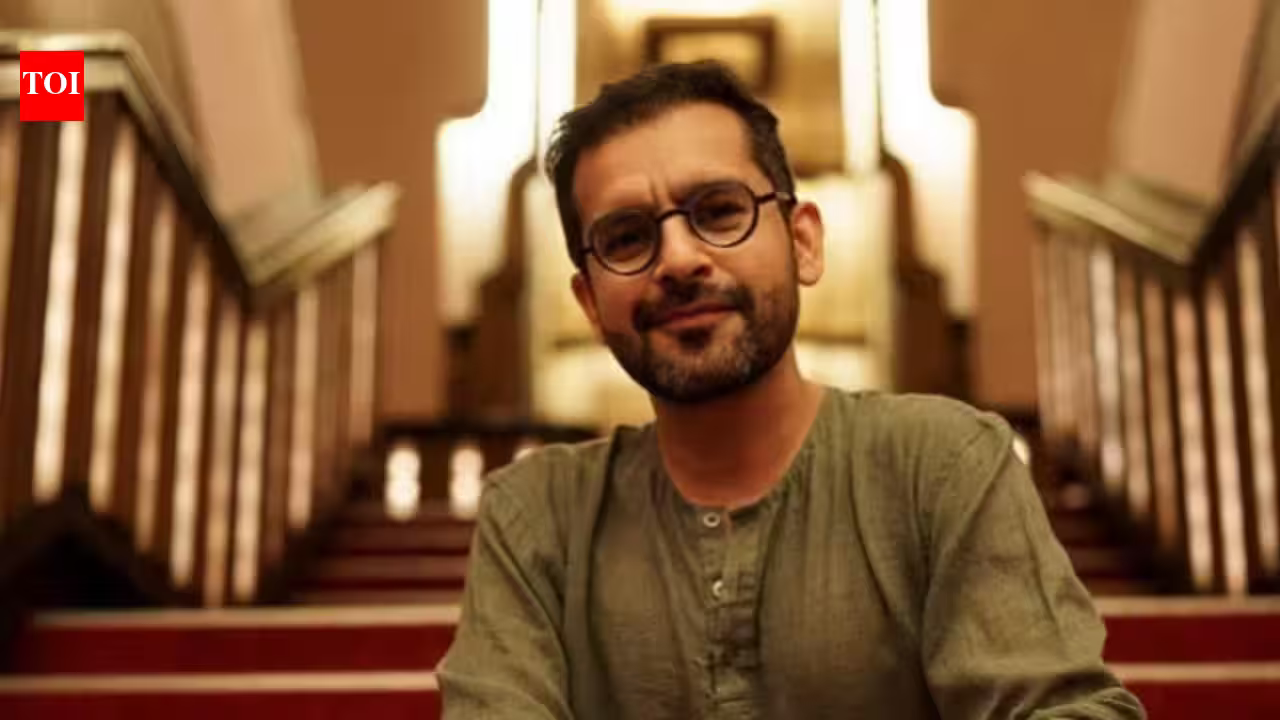
For decades, the Indian film industry has operated on a sacred, albeit increasingly fragile, blueprint: boy meets girl, a series of grand gestures ensues, conflict arises, and after a tear-soaked reunion, they ride off into the sunset. It is the stuff of dreams, the aesthetic of nostalgia, and—according to director Shakun Batra—the primary reason modern Bollywood romance is currently gasping for air.
Batra, the auteur behind the masterfully nuanced Kapoor & Sons and the polarizingly raw Gehraiyaan, recently sparked a necessary conversation about the growing chasm between traditional cinematic tropes and the lived reality of Gen Z. As international media consumption rises and local youth gravitate toward global streaming hits that prioritize psychological honesty over sugar-coated perfection, Batra suggests that Bollywood’s insistence on the “soulmate” narrative is not just outdated—it’s dishonest.
The Myth of the Soulmate and the Death of Nuance
At the heart of Batra’s critique is a fundamental objection to the “Happily Ever After” industrial complex. For generations, Hindi cinema has peddled the idea of the “soulmate”—a celestial partner who arrives to fix your problems, stabilize your erratic emotions, and turn life into a seamless, golden-hued montage.
“You meet this person who is your soulmate, and then life is amazing, but it never is,” Batra stated during a recent discussion with HT City. This observation strikes at the nerve of a generation that has grown up with a front-row seat to the messy, fragmented nature of relationships. Gen Z, armed with access to global literature and streaming content, is increasingly skeptical of narratives that promise a cure for human loneliness. When Bollywood presents a romance where life suddenly becomes “amazing” upon the arrival of a partner, it doesn’t feel like an escape to the youth—it feels like a lie. Real life is rarely “amazing” in the way cinema depicts; it is iterative, often disappointing, and deeply complex. By refusing to acknowledge the friction of reality, filmmakers are essentially telling a generation that their lived experiences are invalid.
The ‘Work-for-Hire’ Trap
Beyond the thematic gaps, Batra highlights a systemic issue in how films are currently being greenlit: the “formula” approach. He criticizes the industry’s obsession with “what is working” in the market. Every producer’s room has echoed with the phrase, “Ye chal raha hai,” (This is trending/working).
Batra views this trend-chasing as a death knell for creative integrity. He argues that when directors attempt to reverse-engineer success—”figuring out what the audience needs to watch” rather than exploring what they need to say—the resulting product is sterile. This “work-for-hire” mindset creates a vacuum of soul. If a filmmaker is merely manufacturing content to make an audience feel good, they are treating cinema like a commodity rather than a medium of expression. Batra’s own career, marked by significant hiatuses, is evidence of his refusal to participate in this treadmill. He isn’t interested in flipping the script just because the market dictates it; he is interested in translating his own internal state into something a viewer can receive.
Authenticity as the Only Currency
If Bollywood is to regain its connection with the youth, Batra suggests that the bridge must be built with radical authenticity. The director, who recently explored the dark, messy corridors of love in Lust Stories 3, believes that the only way to reach a modern audience is to strip away the artifice.
“As directors and storytellers, what you’re doing is putting your most authentic self out,” he explains. This is a tall order in an industry that has historically prioritized “glamour” and “grandeur” over emotional grit. For the younger viewer, who is bombarded with hyper-curated versions of life on social media, the cinematic experience that resonates most is often the one that validates their confusion, their failures, and their inability to perfectly “fix” their lives. When a filmmaker captures the specific, private agony of a failed conversation or the quiet, uncomfortable truth of falling out of love, they create a connection that no grand Bollywood anthem can replicate.
Why ‘Off Campus’ Wins and Bollywood Struggles
The fascination with international shows—like those modeled after the Off Campus series—among Indian youth isn’t necessarily a rejection of Indian culture; it is an endorsement of vulnerability. These international narratives often lean into the internal lives of characters, exploring consent, mental health, and the non-linear path of personal growth.
When an Indian audience watches a character in a global show struggle with the decision of whether to text their partner back, they see a reflection of their own anxieties. When they watch a classic Bollywood hero pursue a woman until she eventually “gives in,” they see an archaic power dynamic that feels increasingly alienating. The failure of Bollywood romance is not a lack of budget or technical skill; it is a lack of alignment with the modern emotional lexicon. The “soulmate” trope is a remnant of a more patriarchal, collectivist past. Today’s youth are individualists; they are looking for partners who reflect their flaws, not their fantasies.
The Future of the Indian Love Story
Shakun Batra’s intervention serves as a wake-up call for the industry: the audience has evolved, and it is time for the scripts to keep pace. The path forward doesn’t require tearing down the romantic genre, but rather re-founding it on a bedrock of honesty.
It is a risky business model to move away from the “sure-shot” hits of the past. But as Batra notes, the alternative—faking it until you make it—is a losing game. If filmmakers continue to tell stories that ignore the reality of human existence, they will find their theaters increasingly empty, filled only with the ghosts of a version of love that no longer exists. For the new generation of storytellers, the mission is clear: stop trying to make the audience feel good, and start trying to make them feel something true. In the end, it is the messy, uncomfortable truths that linger long after the lights in the theater come up.
Disclaimer: This content is auto-generated for informational purposes only.
Source: Read Original News