







Delhi Braces for Tension as ‘Cockroach Janta Party’ Protest Turns Chaotic
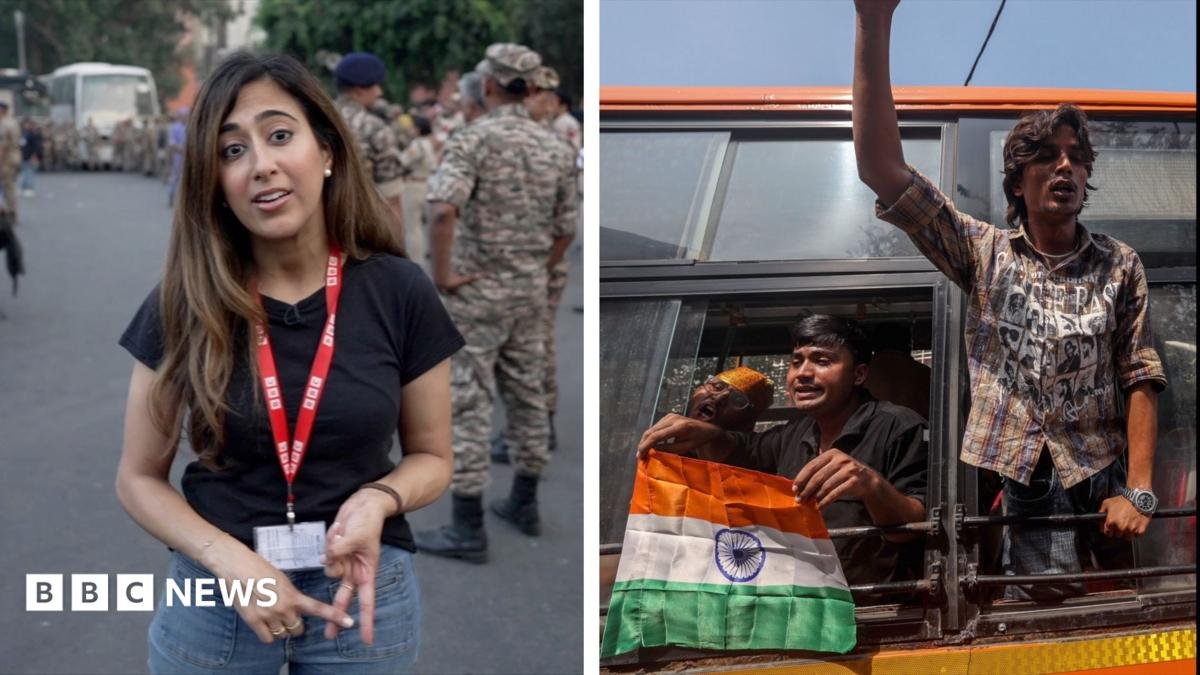
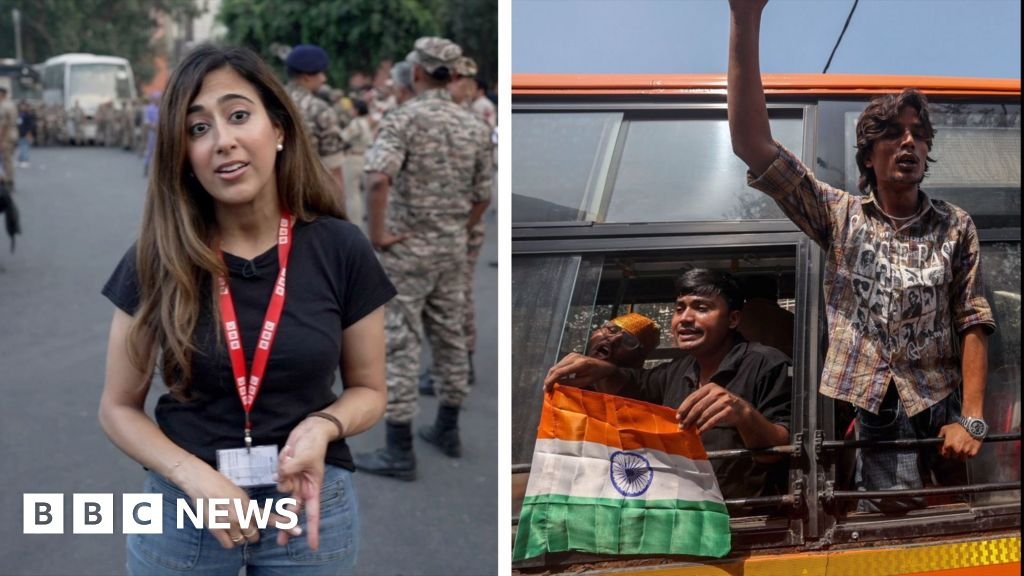
The streets of the national capital turned into a site of intense friction on Tuesday as police detained key figures from the “Cockroach Janta Party” (CJP), effectively thwarting a planned anti-government demonstration. The atmosphere in Delhi remained volatile throughout the day, with dramatic footage circulating on social media showing protesters banging on the windows of police buses in a desperate bid to resist detention.
The CJP, an emerging political outfit, saw its leadership incapacitated almost as soon as they arrived in the city. The party’s founder, Abhijeet Dipke, was among those taken into custody by Delhi Police, an event captured in a video shared by the group’s official channels. Despite the high-stakes mobilization by the party, law enforcement had previously issued a formal denial of permission for the protest, citing concerns over public order and safety.
A Movement Born from Controversy
The genesis of this protest lies in a volatile remark made earlier this year. In May, the movement found its footing following a statement by India’s Chief Justice, who had drawn a controversial comparison between unemployed youth and “cockroaches.” While the comment was intended to serve a different judicial context, it struck a raw nerve among the country’s burgeoning population of jobless graduates.
For the CJP, the nomenclature was a deliberate reclaiming of a slur. By adopting the “Cockroach” moniker, the party has sought to highlight the systemic neglect faced by India’s youth in a competitive job market. The group argues that the remark symbolized a deeper, institutional apathy toward the economic struggles of the younger generation.
Massive Security Deployment
In response to the CJP’s insistence that the protest would proceed regardless of the administrative ban, the Delhi Police implemented a heavy-handed security lockdown. Central parts of the city saw a massive influx of personnel, with tens of thousands of security officers deployed to maintain control.
Major arterial roads leading to central protest hubs were fortified with multi-layered barricades and concertina wires, effectively paralyzing traffic and creating a fortress-like environment. The state’s strategy appeared focused on preventive arrests, targeting high-profile party members before they could reach designated protest sites.
As of Tuesday evening, the city remains on high alert. While the police successfully prevented the main rally from forming, the visual of protesters slamming on the windows of police vehicles has become a defining image of the day, signaling that the grievances of the youth—and the CJP’s resolve—are unlikely to dissipate despite the crackdowns.
BBC correspondent Azadeh Moshiri, reporting from the scene, noted that the standoff between the state and the unemployed youth movement highlights a growing friction between institutional authority and grassroots political activism. As the legal and political fallout of these detentions begins to unfold, the CJP has vowed to continue its fight, insisting that their movement is not merely about a headline, but about the future of millions of young people currently sidelined by the national economy.
Disclaimer: This content is auto-generated for informational purposes only.
Source: Read Original News