








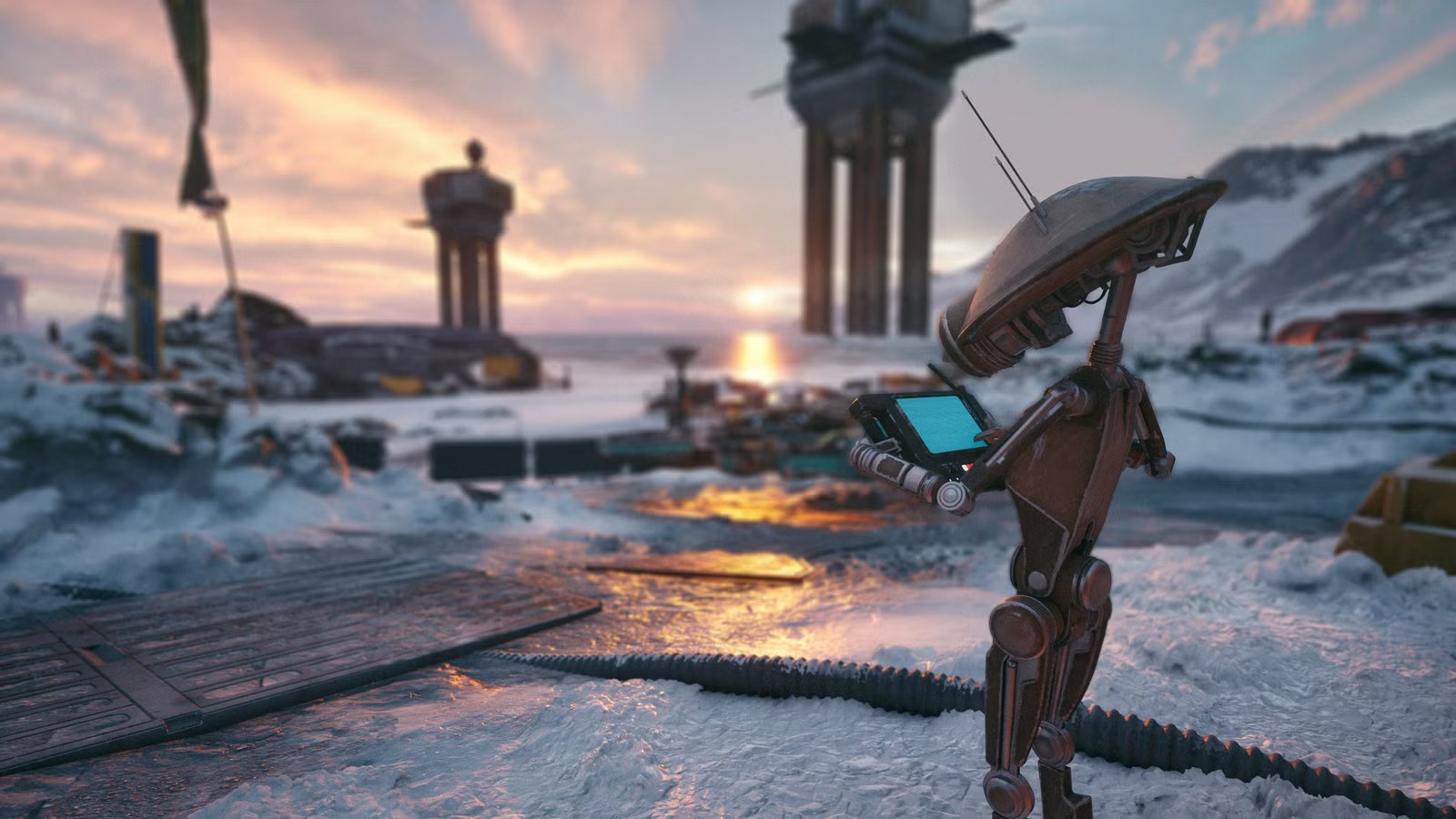
The Evolution of Interactive Storytelling in Star Wars
The Star Wars universe has long been defined by its cinematic output, focusing on the grand, mythic struggles between the Jedi and the Sith. For many, this narrow focus on high-stakes heroics has made the franchise feel inaccessible or restricted to a specific brand of space opera. However, the landscape of 2026 has marked a significant shift in how this lore is presented to audiences. Through the medium of video games, developers are finally moving away from the “chosen one” narrative to explore the granular, human-scale realities of a vast galactic society.
Titles such as Star Wars Zero Company and Star Wars: Galactic Racer represent this pivot. By prioritizing gameplay mechanics that emphasize character-driven tasks and regional conflicts rather than galaxy-altering battles, these titles have successfully lowered the barrier to entry for those previously alienated by the dense, often overwhelming mythology of the films.
Zero Company and the Working-Class Perspective
Star Wars Zero Company stands out for its commitment to a “ground-level” narrative. Drawing thematic inspiration from gritty, grounded entries in the franchise, the game shifts the lens from epic battles to the struggles of an independent crew attempting to navigate a post-conflict economy.
Technically, the game utilizes a resource-management system that forces players to prioritize survival over heroics. Players must manage fuel, maintenance for their transport vessel, and payment for a ragtag crew, effectively turning the galaxy into a space of economic uncertainty rather than just a battlefield. This design choice transforms the setting into a lived-in environment. By focusing on the mundane tasks of navigating trade routes and resolving local disputes, Zero Company grounds the fantastical nature of the setting in reality, making the stakes feel personal rather than abstract.
Galactic Racer: From War to Competition
While Zero Company looks at the survival of the individual, Star Wars: Galactic Racer explores the cultural aftermath of large-scale warfare through the lens of sport. Set in the wake of the Empire’s fall, the game introduces a racing circuit born from the necessity of repurposing military scrap.
The mechanics focus heavily on high-speed vehicle physics and engine customization. Because the narrative centers on veterans seeking purpose, the racing acts as a cathartic outlet. The game functions less like a traditional space shooter and more like an arcade simulation. By tying the racing subculture to the geopolitical instability of the era, the developers have created a context where the speed and danger of the sport feel earned. It is a departure from the weapon-focused gameplay typical of the franchise, instead rewarding spatial awareness, vehicle tuning, and mastery of environmental hazards.
Humanizing the Galactic Scale
The impact of these two titles lies in their shared focus on human-sized problems. The developers have leveraged the transmedia nature of Star Wars to build out the “cracks” in the world that films often skip over. Whether it is the dialogue between crew members during a slow transit in Zero Company or the intense rivalry between pilots in Galactic Racer, these moments provide the necessary friction to make a world feel alive.
By focusing on individuals who are not wielding lightsabers or commanding fleets, these games allow players to relate to the citizens of the galaxy. This approach humanizes the setting, turning the expansive Star Wars universe into a place where specific, small-scale life cycles can be observed and participated in. It is this transition from observing legends to playing as ordinary citizens that provides a fresh, compelling entry point for audiences who were not previously invested in the franchise.
The Technical Shift in Franchise Engagement
The success of these titles suggests a maturation in how developers handle intellectual property. Rather than relying on the spectacle of familiar ships and iconic characters, developers are now investing in gameplay loops that prioritize internal consistency and atmosphere. In Star Wars: Galactic Racer, for instance, the focus on technical vehicle performance and circuit track design shows a dedication to the racing genre that respects the mechanics above the branding.
This shift indicates that the future of the series may not lie in further expanding the cinematic lore, but in diversifying the types of stories told within the engine of the galaxy. By exploring various genres—from strategy-based logistics to high-octane racing—the franchise is proving that its world-building is robust enough to support multiple types of gameplay. This variety ensures that the universe remains relevant to different types of players, effectively turning a “space fantasy” into a diverse platform for varied interactive experiences.
Ultimately, these games have demonstrated that the most effective way to engage new audiences is to provide them with a sense of place. By stripping away the requirement for decades of background knowledge and replacing it with immediate, engaging mechanics and relatable character motivations, the 2026 software lineup has successfully expanded the reach of the Star Wars identity.
Disclaimer: This content is auto-generated for informational purposes only.
Source: Read Original News