








The Return to Intentional Audio
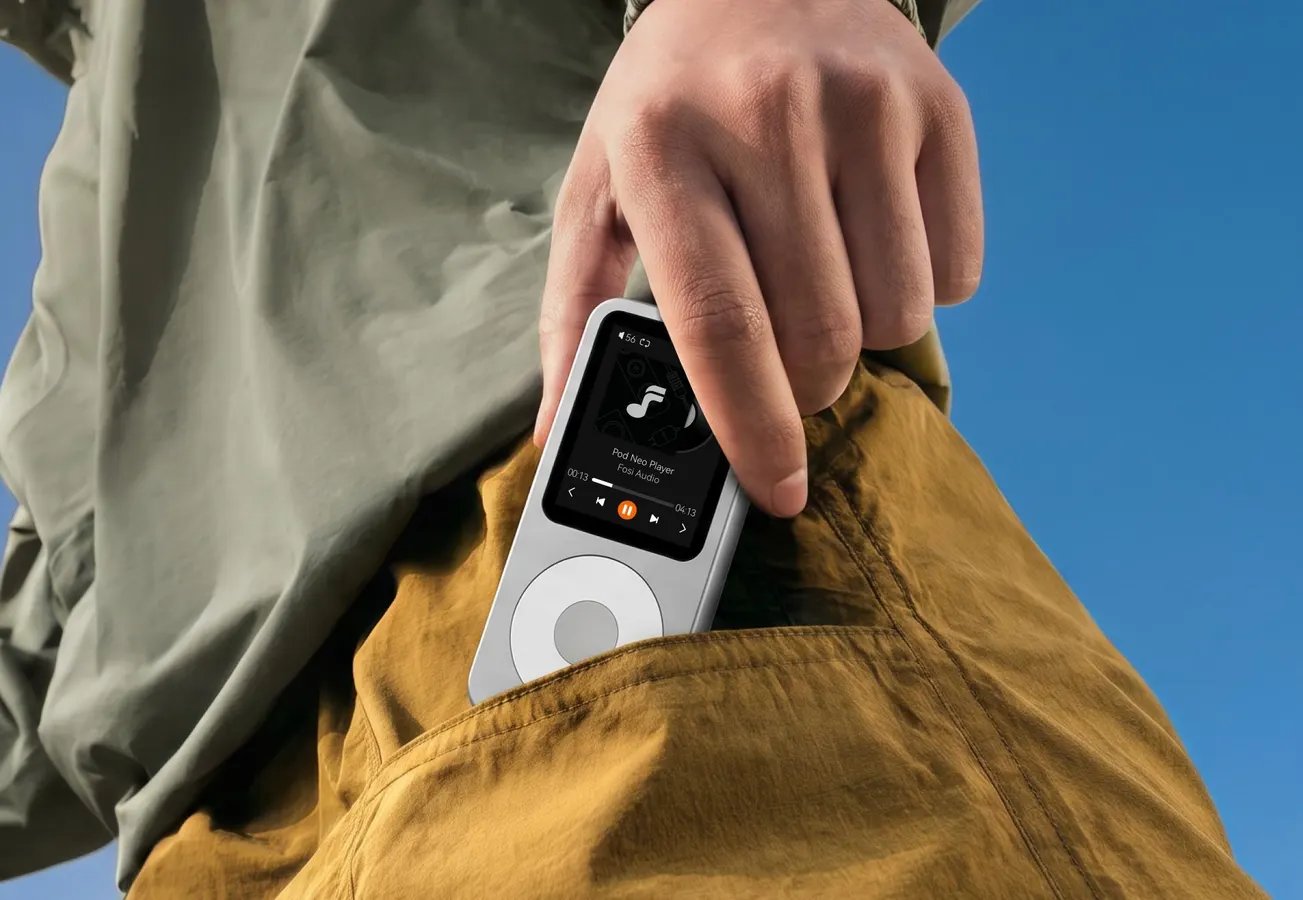
Fosi Audio has officially introduced the DAP Neo, a dedicated portable digital audio player that signals a departure from the convenience-first approach of modern smartphone streaming. As the primary device in the company’s new Moment product range, the DAP Neo emphasizes the act of physical engagement with one’s music library. By stripping away the constant connectivity and notification-heavy ecosystem of mobile phones, the device aims to recreate the disciplined listening habits typically associated with analog media, such as vinyl records or physical CDs.
The device is designed as a standalone solution for audiophiles who prioritize audio fidelity and concentration over the recommendation engines of mainstream streaming services. In an era where digital content is often consumed as background noise, the DAP Neo is built to force a shift toward active listening. It is part of a broader push by Fosi Audio, which also includes the Disc Nano and Merak CD players, to curate a hardware ecosystem focused on high-quality playback.
Engineering and Hardware Specifications
At the core of the DAP Neo’s performance is the CS43198 digital-to-analog converter (DAC) chip. This high-end component is a staple in the audiophile community, chosen for its ability to provide a clean, detailed, and accurate sound signature. The player is engineered to handle a wide range of file formats, ensuring that users can enjoy high-resolution audio without degradation. Supported formats include standard MP3 files alongside more robust options such as FLAC, WAV, APE, M4A, and the high-fidelity DSD format.
Constructed from a solid, full-metal chassis, the DAP Neo is built to withstand the rigors of daily travel while offering a premium physical presence. The hardware interface avoids complex touchscreens, opting instead for a tactile control wheel and physical side buttons. This choice of physical interaction provides immediate, physical feedback, which further cements the user experience in the realm of tangible control. The minimalist user interface is optimized for navigation, allowing users to browse their libraries without the distraction of digital alerts or online clutter.
Connectivity and Power Management
Recognizing the diverse requirements of contemporary listeners, the DAP Neo offers dual connectivity paths. The 3.5mm headphone jack is positioned as the primary output for those utilizing wired headphones, allowing the device’s internal DAC to drive high-fidelity audio directly to the transducer. For users who prefer a wireless setup, the integrated Bluetooth module provides a convenient way to pair with wireless earbuds or speakers. While the unit utilizes SBC coding for its wireless connection, it remains a secondary feature to its primary role as a high-fidelity wired source.
Power management has been optimized for portability and consistent use. The internal battery is rated to provide up to 12 hours of continuous playback on a single charge. This capacity is sufficient to sustain a full day of usage, whether for a lengthy commute or extended listening sessions at a desk. By isolating the audio circuitry from the power-intensive processes of a smartphone, the DAP Neo ensures that battery longevity is consistently managed, maintaining stable voltage for the audio output stage throughout the discharge cycle.
Storage Flexibility and User Scaling
The DAP Neo utilizes microSD card slots for all media storage, a common practice in dedicated high-end audio hardware that provides users with total control over their music collections. The device supports expansion up to 256GB, which is ample room for thousands of high-resolution files. Fosi Audio has structured its pricing tiers to accommodate different user needs, offering the device bundled with either a 16GB or 64GB card included out of the box.
This storage strategy serves two purposes. First, it allows the device to function entirely offline, removing the need for a stable internet connection and ensuring that the playback remains uninterrupted by network fluctuations. Second, it encourages users to curate their libraries permanently on physical cards. This curation process is central to the “Moment” philosophy—investing time to organize albums and tracks manually encourages a deeper level of engagement with the music itself, rather than relying on algorithmic randomization.
The Impact on Modern Listening Habits
The launch of the DAP Neo represents a broader industry trend toward “digital minimalism” in the high-fidelity sector. By removing the smartphone from the playback chain, Fosi Audio effectively eliminates several common sources of interference: potential digital noise from cellular antennas, software-level resampling performed by mobile operating systems, and the constant psychological pressure of push notifications.
For the serious enthusiast, the DAP Neo serves as a tool to reclaim personal time. It allows the listener to dedicate specific periods of the day to music, effectively creating a sanctuary of sound. While the technology is modern, the experience is intentionally vintage in its focus. Whether through the cold, tactile feedback of the metal chassis or the deliberate, button-press navigation of a local file library, the DAP Neo is a hardware-forward response to the ubiquity of software-managed, stream-first music consumption. With its competitive pricing and robust construction, it stands as an accessible entry point for those looking to transition from generic digital playback to a more specialized, intentional audio environment.
Disclaimer: This content is auto-generated for informational purposes only.
Source: Read Original News