








Middle East Conflict Exposes India’s Fragile Energy Security Architecture
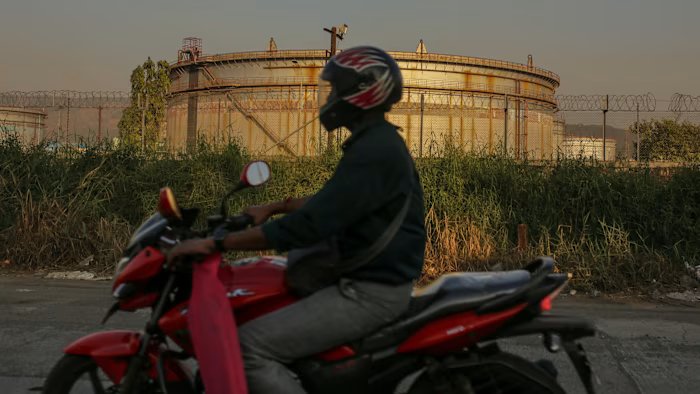
The escalating volatility across the Middle East has cast a stark light on the structural weaknesses inherent in India’s energy strategy, forcing New Delhi to confront the precarious nature of its heavy reliance on imported fossil fuels. As geopolitical tensions simmer, the country’s vulnerability to supply chain disruptions and price shocks in the global crude oil market has become a central concern for policymakers.
India, which imports more than 85% of its crude oil requirements, remains acutely sensitive to shifts in the Persian Gulf. With a significant portion of these supplies passing through the strategically vital Strait of Hormuz, any intensification of regional hostilities threatens to throttle the flow of energy that powers the world’s fastest-growing major economy.
The Cost of Dependency
For New Delhi, the dilemma is both economic and strategic. The recent bouts of instability in the region have reignited fears of inflation, as rising import costs exert downward pressure on the rupee and strain the government’s fiscal deficit. While India has managed to mitigate some impacts by diversifying its procurement—most notably by ramping up imports of discounted Russian crude—the broader geopolitical risk remains unchanged.
Analysts argue that the current situation underscores the urgent need for a transition toward a more resilient energy security framework. Relying on diplomatic maneuvering to secure favorable trade terms is no longer sufficient; the government must accelerate its investments in domestic renewable infrastructure, strategic petroleum reserves, and energy efficiency to insulate the nation from external shocks.
A Strategic Crossroads
The Ministry of Petroleum and Natural Gas has long acknowledged that India’s economic aspirations are tethered to its ability to maintain stable energy supplies. However, the current geopolitical landscape—characterized by shifting alliances and maritime insecurity—suggests that the window for gradual adaptation is closing.
As the conflict in the Middle East continues to reshape global energy trade routes, New Delhi faces a dual imperative: maintaining short-term market stability while fundamentally restructuring its long-term energy portfolio. Whether through the accelerated adoption of green hydrogen, the expansion of solar and wind capacity, or deepening energy partnerships with non-Middle Eastern producers, the path forward for India is increasingly clear. The nation can no longer afford to remain a passive bystander to the volatile dynamics of the global oil market; it must proactively secure its future against a world that is becoming increasingly unpredictable.
Image credit: Financial Times