







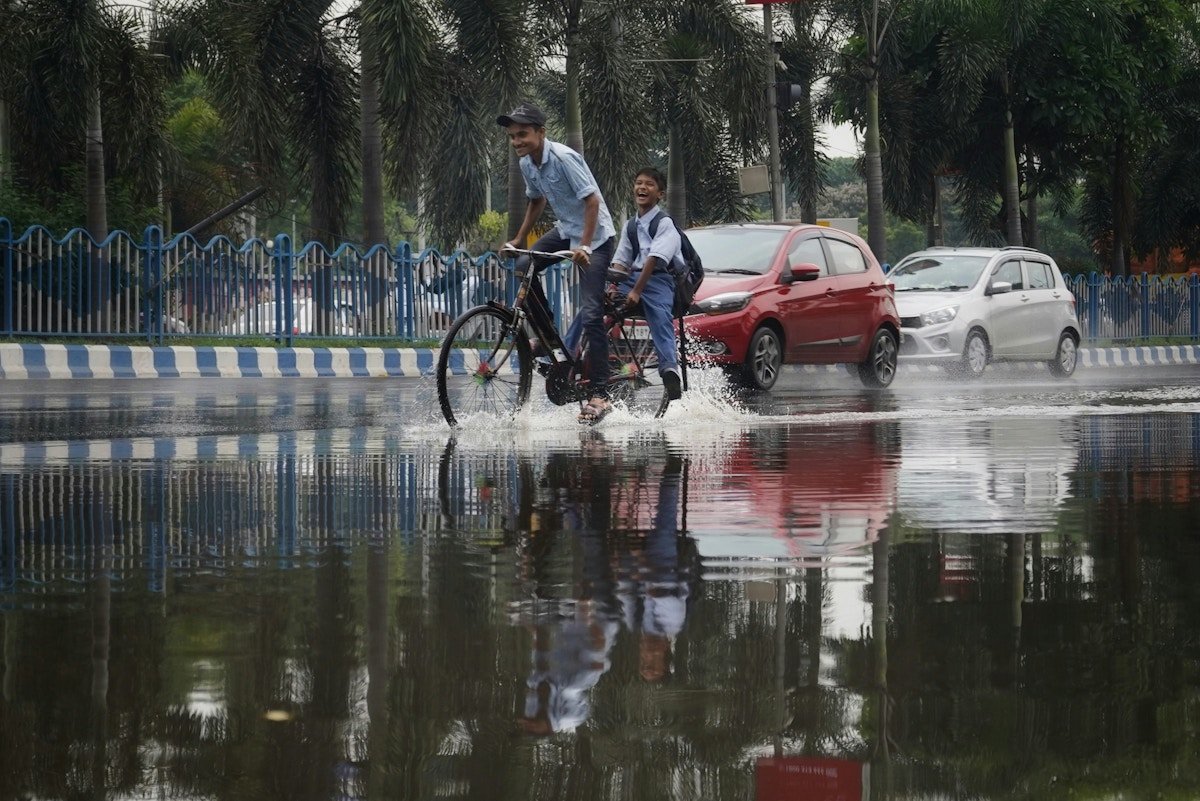
Human Factors, Not Climate Change, Primary Driver of Deadly Assam Floods, Study Finds
GUWAHATI – A comprehensive new study has concluded that the devastating floods that swept through northeastern India between June and August 2026, claiming at least 99 lives and affecting over 500,000 people, were primarily driven by systemic human interventions rather than climate change.
The report, released by World Weather Attribution (WWA)—a global consortium of scientists specializing in extreme weather analysis—shifts the narrative away from global warming toward issues of rapid urbanization, widespread deforestation, and the degradation of natural drainage systems.
A Pattern of Human-Made Vulnerability
The researchers focused their analysis on Upper Assam, a region that faces annual inundation from the Brahmaputra River and its tributaries. While monsoon flooding is a historical reality for the state, the 2026 event highlighted how modern development practices have transformed a manageable natural cycle into a humanitarian disaster.
“We decided to focus on upper Assam because of the significant socio-economic and environmental damage reported in the region and the sheer collective damage of catastrophic floods year on year,” said Arpita Mondal, a researcher from the Indian Institute of Technology (IIT) Bombay and co-author of the study.
Crucially, the scientific team found no clear link between human-induced global temperature rises and the rainfall intensity observed during the June and July deluge. Analysis of historical records suggests the rainfall was not exceptional, typically recurring every one to two years.
The Role of Infrastructure and Land Use
The report underscores that poor infrastructure and land use have become the primary determinants of flood severity. The Brahmaputra is a sediment-heavy river; as it deposits silt, the riverbed rises, naturally reducing channel capacity. When this process is compounded by the destruction of wetlands and the paving over of natural drainage basins through unplanned urban growth, water has nowhere to go.
Beyond modern urbanization, the study highlights the historical roots of the crisis. Colonial-era land policies, which prioritized tea plantations, forced Indigenous communities onto marginal, high-risk riverbanks and sandbars known as chars. This systemic displacement created a persistent pattern of exposure that continues to put the most vulnerable populations in the path of rising waters today.
Rethinking Flood Management
The research provides a stinging critique of the region’s long-standing reliance on rigid, concrete-based flood defense systems. Extensive embankments, intended to control the river, are often counterproductive. By trapping silt and restricting the river’s natural movement, these structures frequently increase the risk of catastrophic breaches.
“Future adaptation will need to focus less on controlling rivers and maybe more on working with them to combine targeted engineering with floodplain restoration, wetland conservation, reducing development in floodplains, improved drainage, and community preparedness,” said Sneha Ganguly of the Red Cross Red Crescent Climate Centre.
The findings align with a growing body of academic literature suggesting that human activity—specifically the degradation of the environment and faulty urban planning—now outweighs natural rainfall variability in determining the frequency and lethality of floods. As Assam looks toward the future, the WWA report serves as a stark call to move away from "hard" engineering and toward nature-based solutions and better-planned urban landscapes to survive the annual monsoon season.
This story was originally published by Mongabay.com.