








Diplomatic Limbo: Tarique Rahman’s Proposed India Visit Stalls Amid Political Upheaval in Dhaka
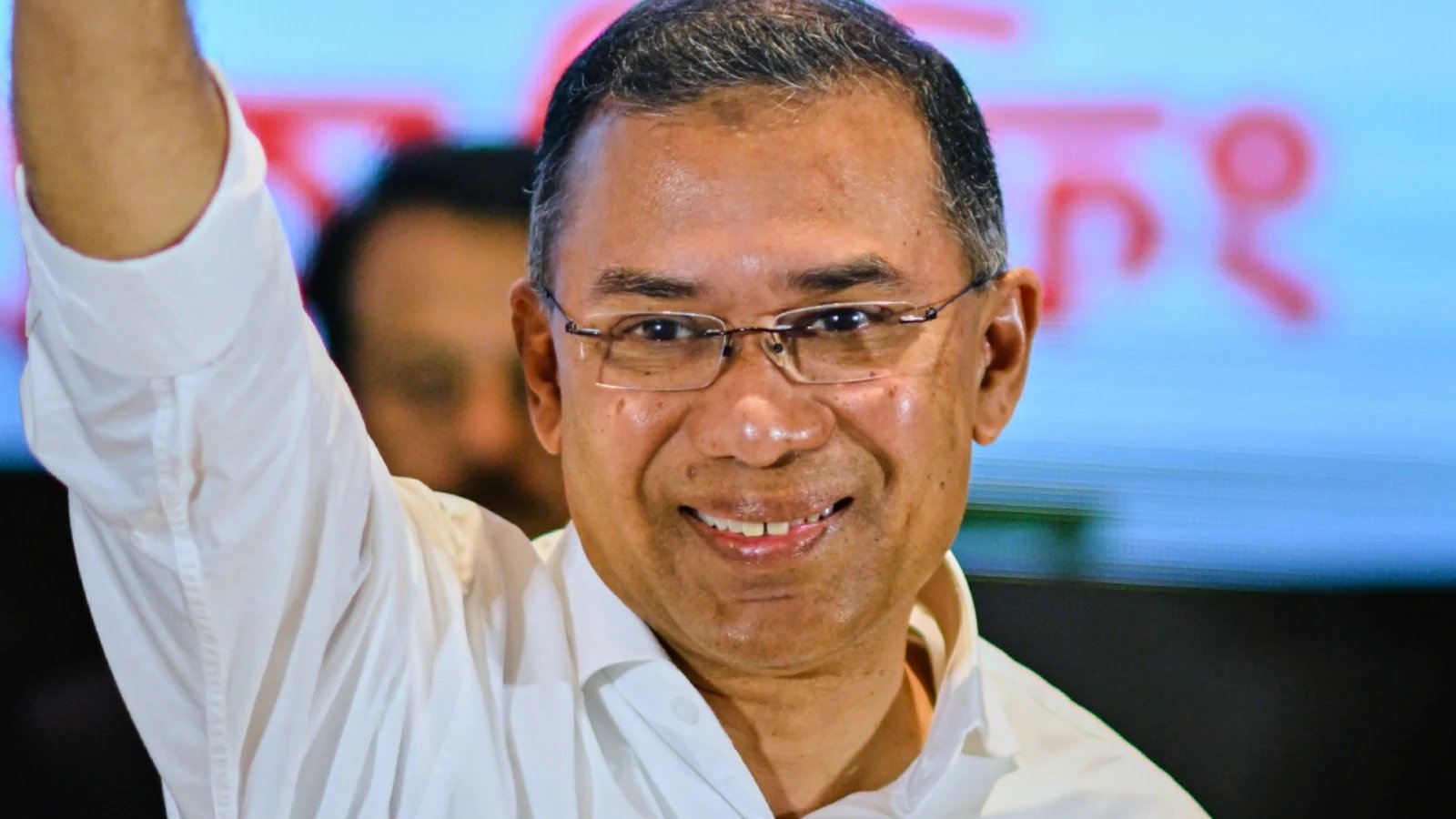
New Delhi: What appeared to be a significant diplomatic breakthrough—the highly anticipated visit of Bangladeshi leader Tarique Rahman to New Delhi—has suddenly descended into uncertainty. Planned for the third week of August, just ahead of the BRICS summit, the visit was once considered a near-certainty, with officials from both nations finalizing logistics.
However, behind-the-scenes negotiations have hit a wall. According to sources in Dhaka and diplomatic circles, the visit is currently in limbo, caught in the crossfire of shifting domestic priorities within Bangladesh and a cooling of bilateral relations.
The Extradition Stumbling Block
The primary friction point is the demand for the extradition of former Prime Minister Sheikh Hasina, who has been residing in India since her ouster. On Sunday, Bangladesh’s Foreign Ministry spokesperson, AKM Shahidul Karim, formally articulated this demand, signaling that the future of diplomatic engagement—including high-level visits—is now explicitly tied to the status of the former leader.
The pressure on the administration in Dhaka to take a hard line is immense. Key figures in the student movement that spearheaded the recent power transition have demanded that any normalization of relations with India remain off the table until the extradition issue is resolved. Nahid Islam, a prominent voice within the movement, has explicitly rejected the notion of a shared political future between the two nations, advocating for a focus on a "democratic South Asia" that keeps New Delhi at arm’s length.
A Divided Establishment
The impasse also reflects a lack of consensus within the Bangladeshi government. While the Foreign Ministry and the bureaucracy emphasize the pragmatic necessity of working with India—citing shared concerns over illegal migration, cross-border security, and the management of 54 transboundary rivers—the political leadership faces intense pressure from opposition factions and public sentiment.
Adding to the confusion are mixed signals from within the administration. Observers have noted inconsistencies in the public posturing of Foreign Affairs Adviser Humayun Kabir and Foreign Minister Khalilur Rahman. Discrepancies in how forcefully each has pushed the extradition agenda during meetings with Indian High Commissioner Dinesh Trivedi suggest a government still struggling to synthesize a unified "India policy."
The "Hasina" Factor
A recurring source of frustration for the current Dhaka administration is the perception that India continues to provide a platform for Sheikh Hasina. Despite New Delhi describing her recent activities as "private," Dhaka remains deeply agitated by her ability to address supporters and influence domestic politics from across the border.
"First keep Hasina quiet, and then we can talk," one source close to the developments remarked, underscoring the view that the former PM’s continued political visibility in India is a major barrier to progress.
Strategic vs. Reactive Diplomacy
For India, the response has been one of measured caution. External Affairs Ministry spokesperson Randhir Jaiswal recently emphasized that New Delhi’s approach remains rooted in the principle of "reciprocity," signaling that India will not absorb diplomatic pressure without receiving commensurate concessions in return.
Political analyst Mubashar Hasan suggests that the current hardline stance from Dhaka may be driven more by domestic political theater than long-term strategy. By taking a confrontational approach, the government aims to demonstrate its sovereignty and resistance to Indian influence. However, experts warn that this reactive posture may ultimately diminish Bangladesh’s own room to maneuver, leaving it vulnerable as critical bilateral agreements, such as the Ganges Water Treaty—which expires in December—approach urgent deadlines.
The Future of the Visit
The confusion surrounding the trip was perhaps best captured by a premature and subsequently withdrawn press release from Rashtrapati Bhavan, which had hinted at a "ceremonial welcome" for the Bangladeshi leadership. The sudden retraction of that announcement serves as a stark metaphor for the current state of affairs.
While back-channel talks continue, no final decision on the visit has been reached. As Dhaka balances the practical need for cooperation with the domestic demand for a tougher stance, the question remains: who is truly calling the shots on the future of the India-Bangladesh relationship? As the Bangladesh divide continues to deepen, the possibility of a high-level summit remains stalled, leaving both nations waiting for a clear path forward.