






The Technical Failure of a Strategy Classic
Total War: Shogun 2 has long been regarded as one of the definitive entries in the Creative Assembly catalog. Originally released in 2011, the title garnered critical acclaim for its intricate balance of turn-based campaign management and real-time tactical warfare. When Sega and Creative Assembly announced the Complete Edition, players expected a modernization effort that would bring the 2011 graphics engine in line with contemporary hardware standards. However, the release on October 13, 2026, resulted in a immediate and severe backlash, forcing the publishers to pull the title from Steam within days of its launch.
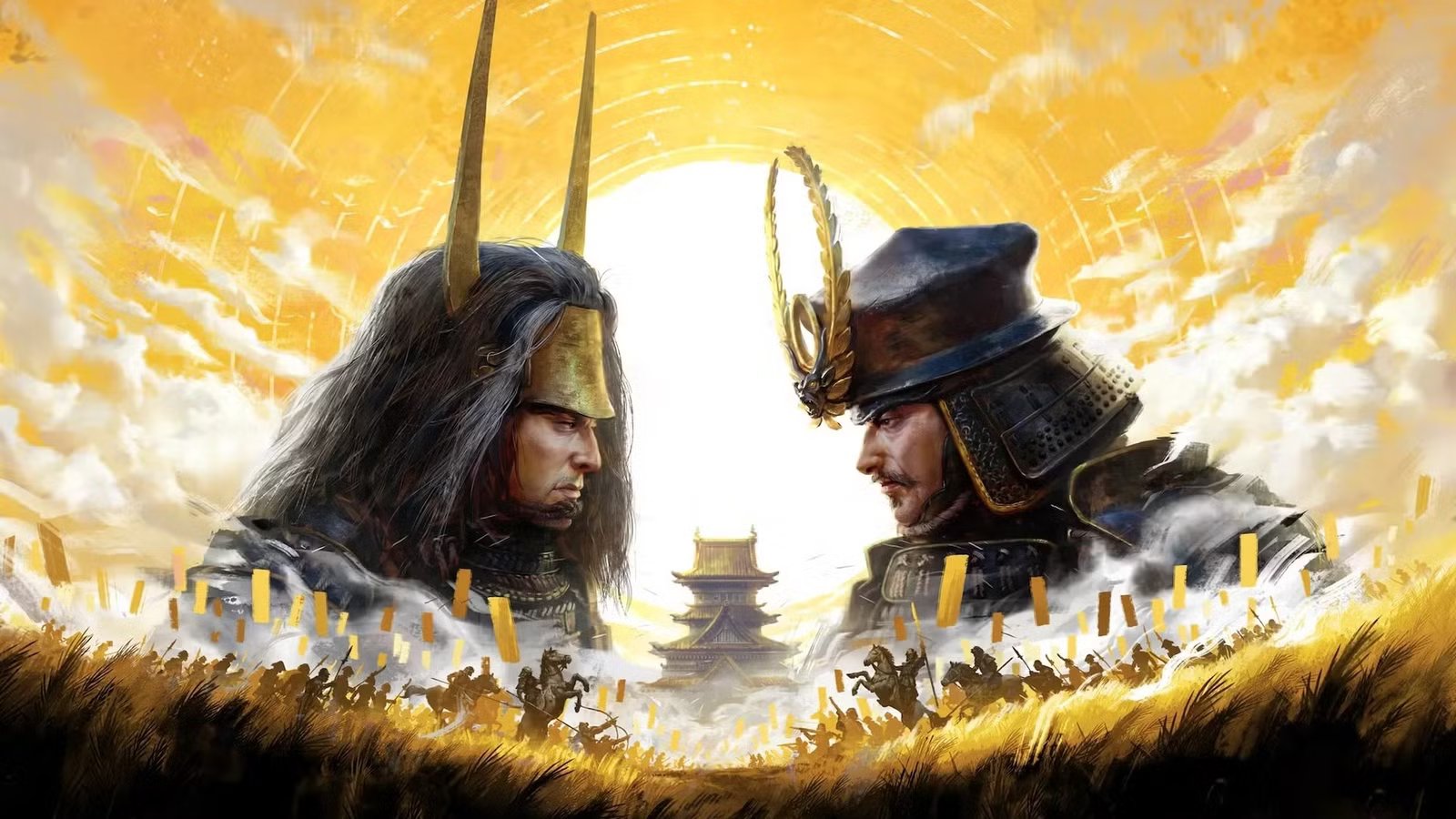
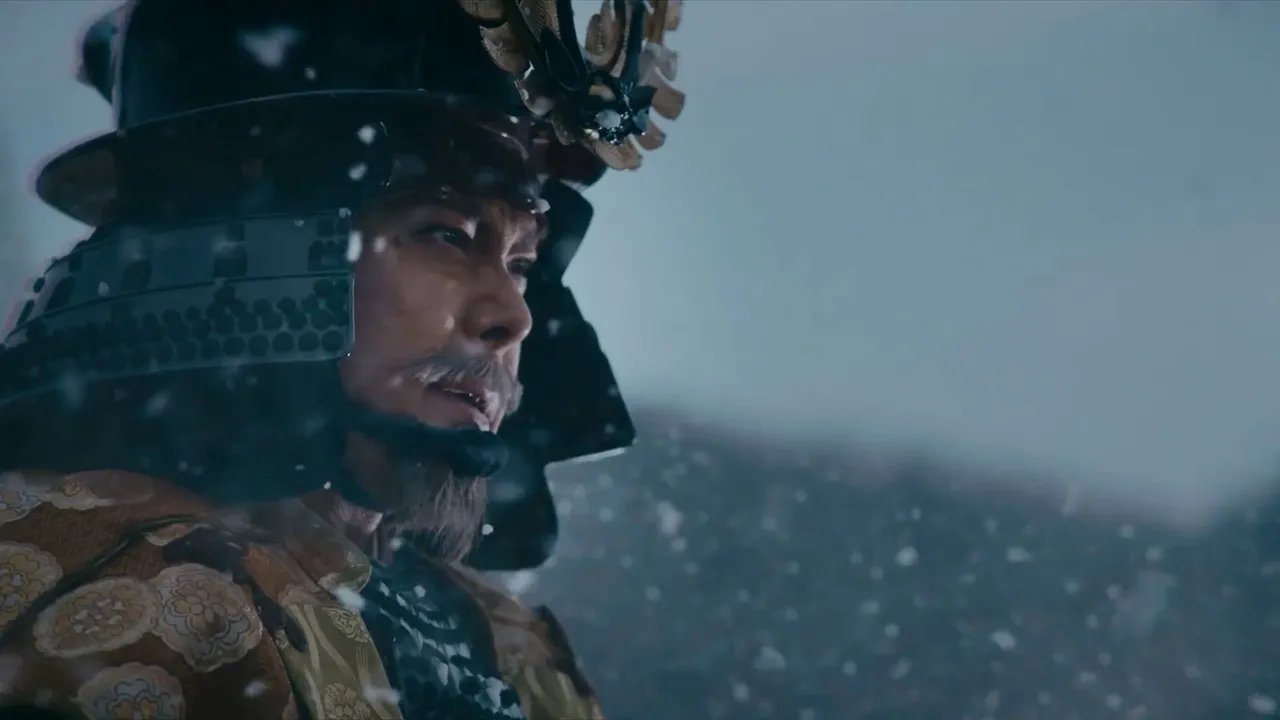
The technical shortcomings were systemic, manifesting in visual degradation rather than the promised enhancements. Sega had marketed the remaster as a comprehensive overhaul, promising improved textures, high-fidelity character models, advanced lighting, modern anti-aliasing techniques, and high-resolution upscaling. Instead, the community reported bizarre artifacts that suggested a reliance on poorly calibrated artificial intelligence for asset upscaling. Instances of character faces rendered with metallic, indistinct textures—where armor and flesh seemed to bleed into a singular, muddy mass—became common points of failure highlighted by users.
Inconsistencies in Asset Remediation
A significant portion of the player criticism centered on the inconsistency of the updated assets. The remaster introduced 2.5D campaign movies designed to evoke the aesthetic of traditional Japanese Ukiyo-e art. While the intent was to provide a stylized, period-appropriate visual layer, the execution fell short of technical standards. Users noted that these storyboard sequences suffered from jittery transitions, frame pacing issues, and a lack of visual cohesion that clashed with the original game’s art direction.
The use of generative AI tools appears to be a point of contention for both the players and, implicitly, the developers. By attempting to automate the texture and model upscaling process, the development team introduced errors that manual curation would have likely prevented. The failure to distinguish between facial geometry and metallic equipment indicates a lack of oversight in the quality assurance pipeline, particularly regarding model training data or algorithm parameters. For a franchise built on a reputation for historical accuracy and immersive grand strategy, these visual artifacts were perceived as a fundamental betrayal of the original design philosophy.
The Commercial Impact of Forced Obsolescence
The situation was exacerbated by the decision to remove the original 2011 version of Shogun 2 from the digital storefront entirely. By compelling customers to transition to the Complete Edition, the publishers effectively eliminated the capability for users to choose the proven, stable version of the game. The original title was frequently available at a low cost, whereas the Complete Edition launched at a premium price point of $40.
This pricing strategy, combined with the forced migration, created a scenario where long-term fans were required to pay more for an objectively worse experience. The discrepancy between the marketing promise of a modern remaster and the delivered product—which currently carries an “overwhelmingly negative” rating on Steam—underscores the risks of removing legacy versions of software from the market. When consumers are denied the ability to fall back on a known functional build, their tolerance for technical failure during a transition to a new release decreases significantly.
Addressing the Development Pipeline
In a joint statement, Creative Assembly and Sega acknowledged that the project failed to meet internal standards and customer expectations. The involvement of the external studio Mataboo, which has a broad portfolio of previous industry projects, has brought scrutiny to the outsourcing process in game development. Outsourcing remains a common strategy for publishers looking to manage resources for multiple high-profile projects, such as the upcoming Warhammer 40,000 title and Alien Isolation 2; however, this incident serves as a case study for the risks inherent in delegating classic IP updates to third-party developers without sufficient oversight.
The publishers are currently working with platform holders to rectify the digital storefront availability. The plan involves reinstating access to the original version of Shogun 2 while the Complete Edition undergoes a period of investigation and remediation. Current owners of the Complete Edition will retain access, though whether the game will receive a comprehensive patch or be re-released remains to be seen. The technical team is tasked with identifying the root causes of the asset corruption and developing a pipeline to deliver the performance metrics originally promised.
Industry Implications for Software Remasters
The failure of the Shogun 2 Complete Edition serves as a cautionary tale regarding the modernization of legacy titles. As the industry increasingly pivots toward remastering older games for modern consoles and high-resolution monitors, the reliance on automated upscaling technologies faces a reckoning. While AI-driven enhancements can drastically reduce development time, they cannot currently replace the nuanced, manual detail required to maintain the artistic integrity of older, hand-crafted assets.
Going forward, the success of such projects will depend on a more transparent relationship with the community and a commitment to maintaining legacy versions of software until a remaster proves its stability and quality. For Creative Assembly, the focus will now shift to regaining the trust of their core audience. By acknowledging the failures in real-time and taking the step to pull the product from sale, the developers have mitigated some of the long-term damage, but the event highlights the necessity for rigorous quality control in every aspect of the development cycle. The restoration of the original Shogun 2 to Steam will be the first step in stabilizing the franchise’s reputation while the investigation into the technical shortcomings continues.
Disclaimer: This content is auto-generated for informational purposes only.
Source: Read Original News