






The Technical Failure of the Shogun 2 Remaster
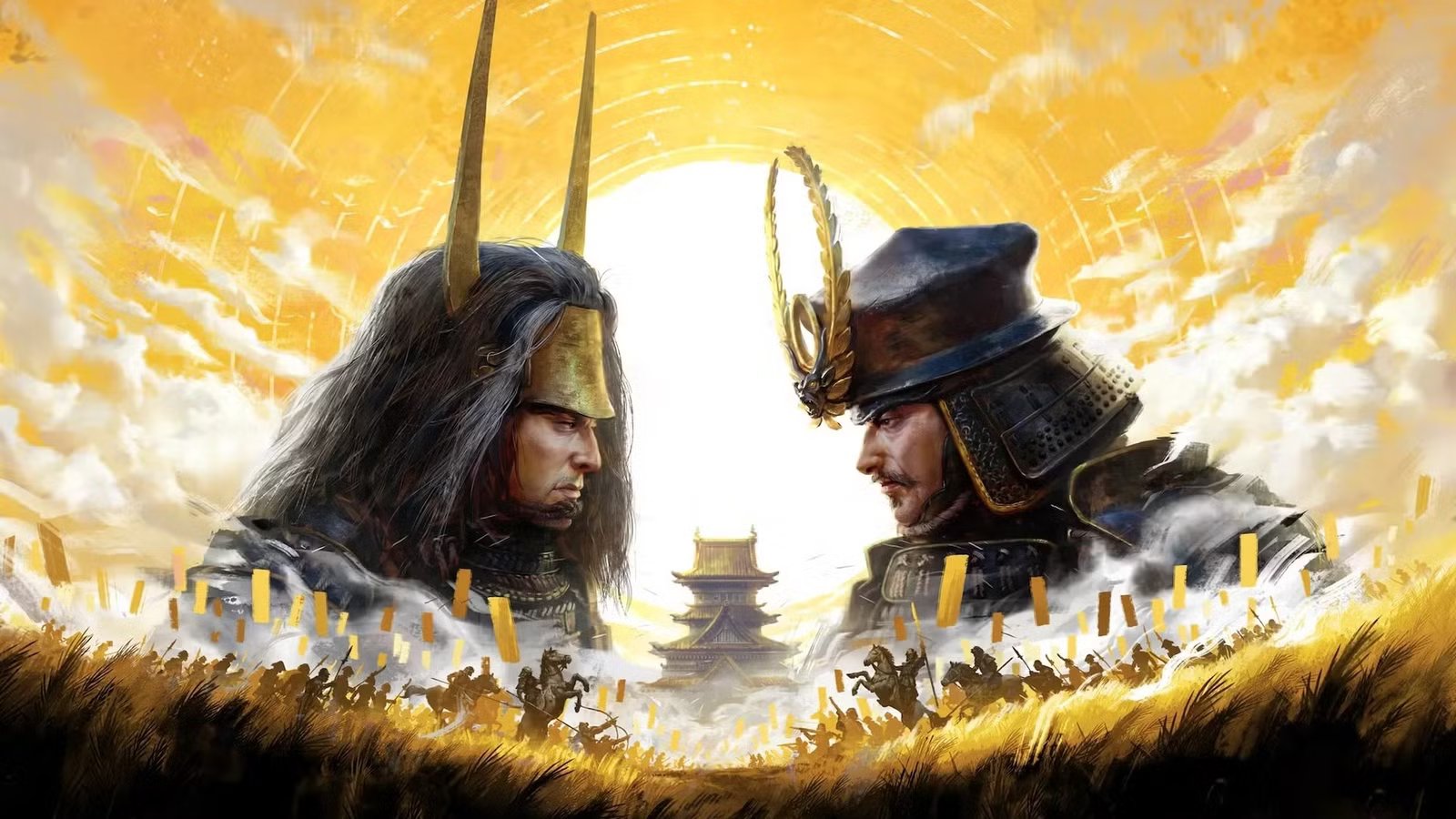
The recent launch of Total War: Shogun 2 – Complete Edition has become a textbook case study in how technical modernization efforts can alienate a dedicated player base. Designed as a comprehensive update to the seminal 2011 real-time strategy title, the release promised 64-bit architecture support, enhanced lighting, 4K resolution scaling, and refreshed textures. Instead of revitalizing a classic, the project has resulted in a public relations crisis for Sega and Creative Assembly.
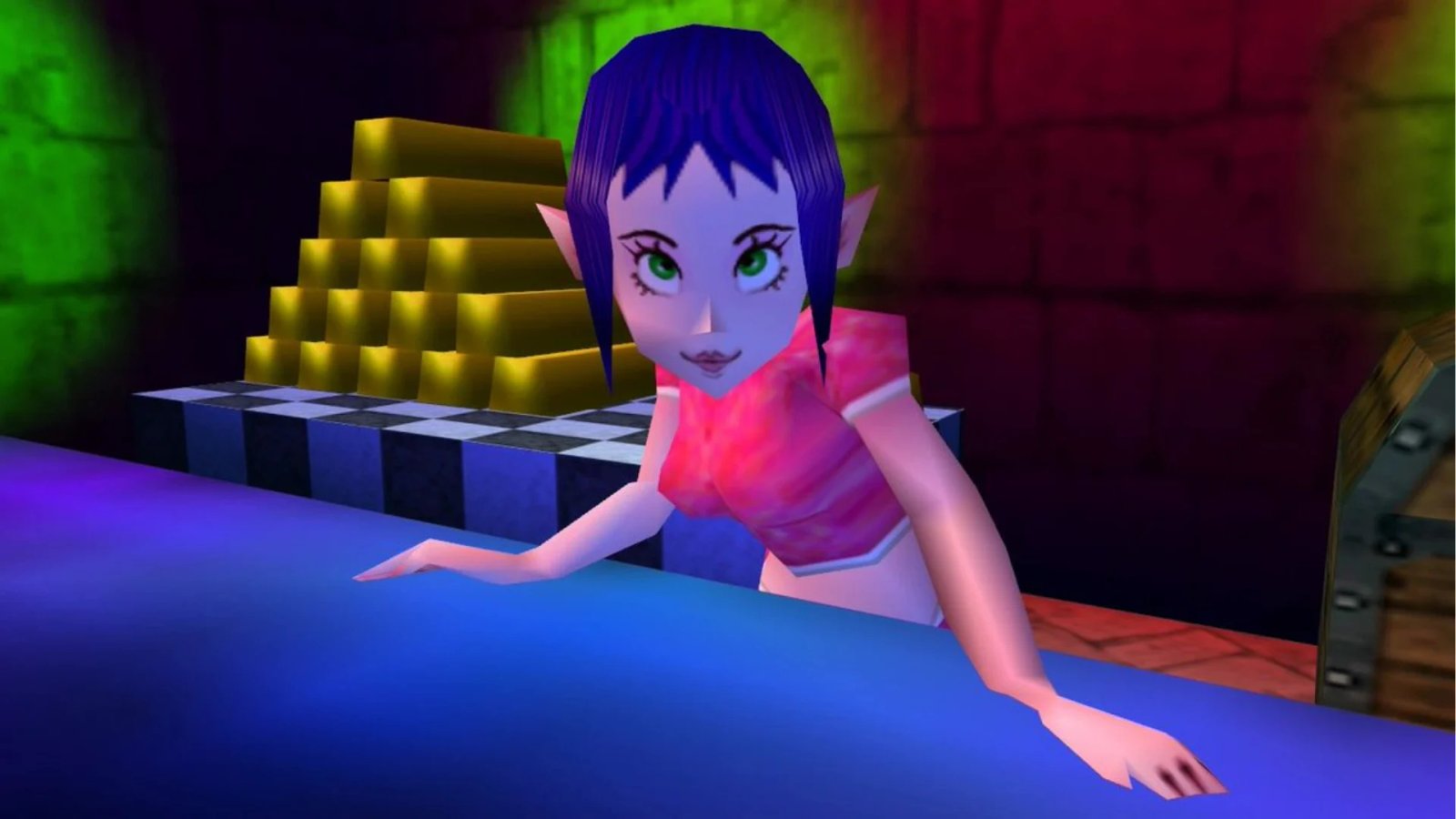
Technical feedback from the user community indicates that the remaster suffers from significant regressions in visual stability and performance. Unlike the original, which remains highly regarded for its coherent art style and optimized engine, the Complete Edition is plagued by incoherent assets. Reports from the player base highlight widespread graphical glitches, including malformed character models and textures that appear to have been generated by low-quality artificial intelligence tools. These visual artifacts, such as missing digits and limbs on character models, suggest a workflow that prioritized automated generation over the meticulous hand-crafted design expected of a high-profile studio.
Identifying the Root Causes of Asset Degradation
The integration of generative AI into game development pipelines is intended to accelerate workflows, but the Total War: Shogun 2 situation demonstrates the risks of replacing established art direction with algorithmic output. In this instance, the assets—which lack proper detail and resolution consistency—clash severely with the original game’s visual language. The presence of these artifacts in a commercial release indicates a failure in the Quality Assurance (QA) process, where automated assets were likely deployed without human oversight or manual cleanup.
This situation is compounded by the reliance on Mataboo, a porting house tasked with managing the technical transition. While outsourcing is common in the gaming industry, the disparity between the expectations set for a “Complete Edition” and the delivered software suggests a disconnect in technical specifications and quality control benchmarks. The result is a product that fails the basic standard of “do no harm,” where the act of updating the game has effectively degraded the experience it intended to preserve.
Sega’s History of Digital Storefront Replacement
This incident is not an isolated event for Sega; it represents a growing trend in how the publisher manages its back catalog. By replacing existing titles on platforms like Steam with “modernized” versions, Sega has previously disrupted access to stable, original code. A recent, similar controversy involved the replacement of Yakuza 0 with a director’s cut that altered established narrative elements, much to the frustration of purists who preferred the original vision.
The decision to delist or overwrite the original Shogun 2 with an inferior version forces users into a corner where they can no longer easily access the stable, legacy experience. This strategy assumes that the newest iteration is inherently superior, regardless of its performance or fidelity. The backlash from the Shogun 2 launch serves as a severe rebuke to this philosophy, underscoring the necessity of maintaining “legacy builds” as a standard practice whenever a remaster or re-release is introduced to a digital storefront.
The Response: Delisting and Remediation
In an unprecedented move following an “Overwhelmingly Negative” rating on Steam, Sega and Creative Assembly have formally committed to a period of damage control. By choosing to temporarily remove the product from sale, the companies are attempting to mitigate further negative sentiment while initiating an audit of the current build. The stated goal is to coordinate with the platform holder to restore the original, functional version of the game.
This remediation period is critical. For the developers, the task involves not just fixing technical bugs, but addressing the fundamental issue of the game’s art assets. If the “AI-generated” content is indeed the core of the visual issues, the team will need to either heavily curate these assets or revert to the original textures. The industry will be watching closely to see if this process results in a legitimate patch or if the remaster remains a fundamentally compromised product.
Long-term Impact on Game Preservation
The controversy surrounding this remaster highlights a significant tension in modern gaming: the battle between automation and preservation. As companies look to leverage new technologies to lower development costs, the risk of technical debt and quality degradation increases. When publishers treat classic games as mere software assets to be swapped out on a server, they lose the trust of the community that maintains those titles over decades.
For developers and publishers alike, the lesson is clear: technical upgrades must be additive, not destructive. Users expect that a remaster will improve resolution and controls while respecting the source material’s visual integrity. If a project cannot meet those standards, the default option should always be to preserve the original build rather than force a flawed update onto the market. As the industry moves forward, this incident will likely become a primary argument for why digital storefronts must provide users with access to original, unmolested versions of software, ensuring that gaming history remains a playable, reliable experience for all.
Disclaimer: This content is auto-generated for informational purposes only.
Source: Read Original News