







Scott Kirby’s “Aggressive” Strategy: How the United Airlines CEO is Redefining Industry Dominance
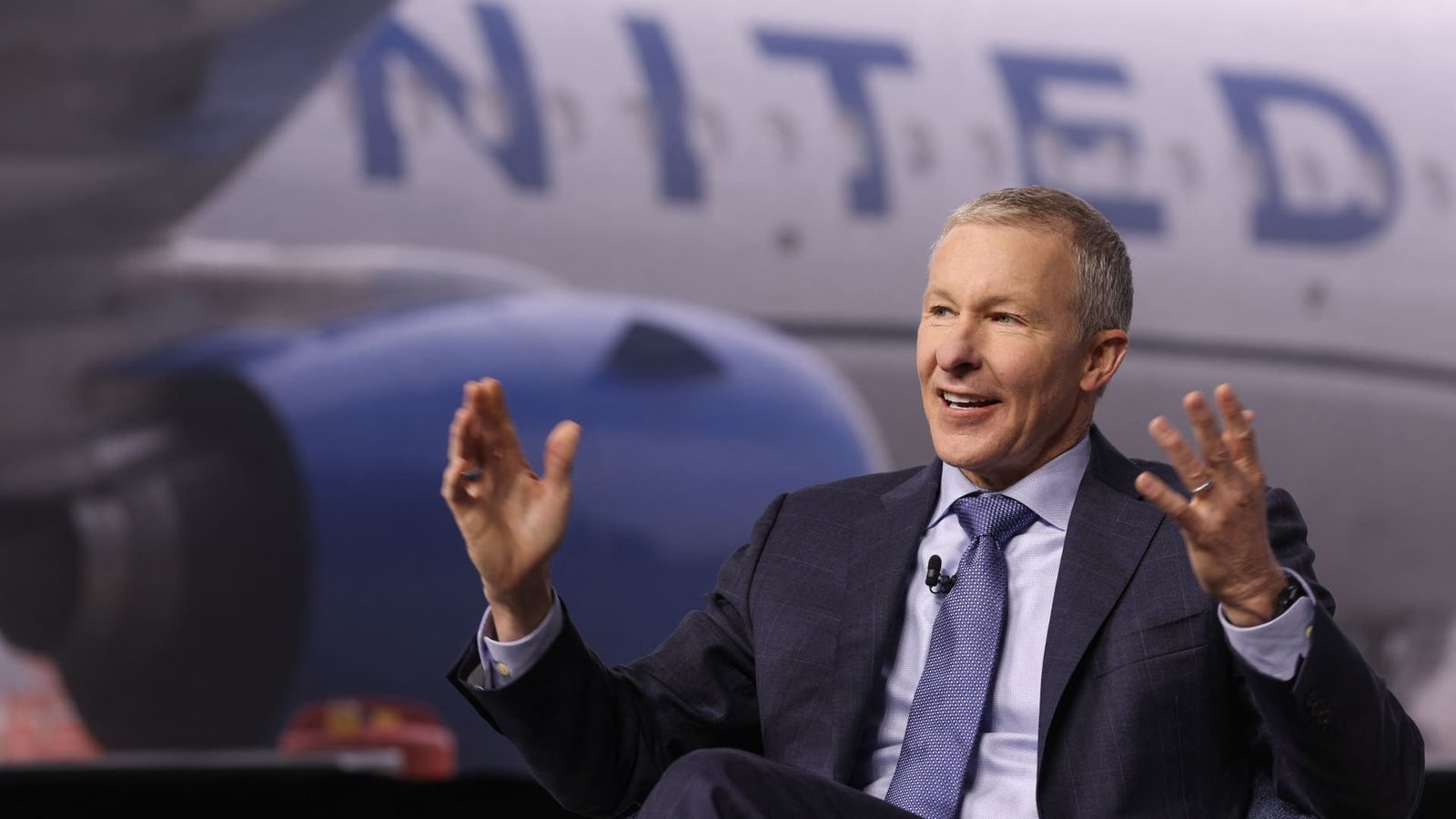
NEWARK, New Jersey — For United Airlines CEO Scott Kirby, the narrative of a career-long grudge against his former employer, American Airlines, is a myth. Despite being fired as president of the carrier a decade ago, Kirby insists his motivation is rooted in strategy, not retribution.
“Everyone thinks I do [want revenge], but no, I don’t,” Kirby told CNBC during a recent commute to United’s hub at Newark Liberty International Airport. “I compete aggressively.”
A Decade of Transformation
Kirby’s rapid transition in 2016—moving from the president’s office at American to the same role at United in what he describes as a “60-second” career shift—set the stage for his current leadership. Since taking the CEO reins in May 2020, as the airline industry grappled with the paralysis of the pandemic, Kirby has steered United to become the second-most profitable carrier in the U.S., trailing only Delta Air Lines.
His tenure has been marked by a ruthless focus on efficiency and growth. Early on, he famously took a highlighter to the company’s route map, ruthlessly culling unprofitable paths. He also abandoned plans to shutter key bases in Los Angeles and Washington D.C., recognizing that maintaining a broad network was essential for long-term viability.
Today, as United Airlines CEO Scott Kirby looks toward the future, he is playing a much larger game, eyeing structural shifts that could reshape the industry.
The Megamerger Question
Kirby has spent the past year testing the waters for industry-altering consolidation, reportedly approaching both Delta and American regarding potential mergers. Both carriers rebuffed his advances, and antitrust experts remain skeptical that such a massive combination could ever pass federal muster.
When challenged on the feasibility of these deals, Kirby rejects the idea that airlines are mere commodities. “All of the objections are based on a premise that the airline industry is a commodity,” he argued. He believes that United and Delta have successfully differentiated themselves through cabin experiences, international networks, and digital integration, justifying a more consolidated landscape.
While he has abandoned the pursuit of “impossibilities,” Kirby is still looking for ways to expand. He is actively seeking a larger footprint at New York’s John F. Kennedy International Airport—potentially through a partnership with JetBlue or by acquiring underutilized slots—to better compete in a crowded market.
Looking Toward the Horizon
Despite being the domestic leader in international travel, Kirby is not satisfied. He is preparing to announce a fresh slate of global routes, continuing a tradition of aggressive network expansion that has previously included exotic destinations like Ulaanbaatar, Mongolia.
The strategy is clear: use the expansive network to drive customer loyalty and credit card sign-ups, while leveraging AI and technology to improve reliability. Kirby is particularly focused on transparency, mandating that his teams provide customers with clear, plain-English explanations for delays.
“I firmly believe in no excuses,” Kirby said. “My job is to set the company up so none of you ever have to have a sleepless night worrying about your jobs.”
As the aviation industry faces record-high costs and constrained infrastructure, Kirby remains the most vocal executive in the sector. While his peers at Delta and American maintain their own distinct paths, Kirby is betting that his “always our turn” philosophy will keep United at the forefront of global aviation for years to come.